
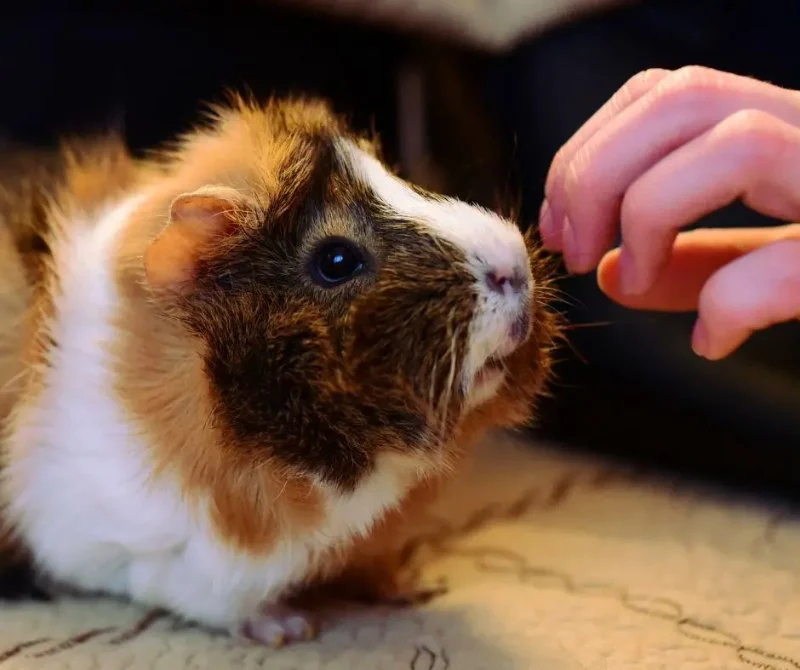
- 1. Understanding Guinea Pig Allergies
- 2. Common Symptoms of Allergies in Guinea Pigs
- 3. Why Do Guinea Pigs Get Allergies?
- 4. Vet-Approved Allergy Care Tips
- 5. Natural Remedies for Guinea Pig Allergies
1. Understanding Guinea Pig Allergies
Guinea pigs, like other pets, can suffer from allergies. These allergies are often caused by environmental factors, including dust, pollen, certain foods, or even materials in their bedding. While guinea pigs are known for being hardy little animals, they can still develop allergic reactions, which can significantly affect their well-being. Understanding guinea pig allergies is the first step toward managing them effectively.
Allergies in guinea pigs can cause discomfort, and in some cases, they can lead to serious health problems if left untreated. It’s essential to provide your guinea pig with proper care, especially if they are prone to allergies. A vet-approved allergy care plan can make a significant difference in managing these issues.

2. Common Symptoms of Allergies in Guinea Pigs
Recognizing the symptoms of allergies in guinea pigs is crucial for early intervention. Some of the most common signs of allergies include:
- Sneezing and coughing: Just like humans, guinea pigs can sneeze or cough when exposed to allergens.
- Itchy or inflamed skin: Allergies may cause skin irritation, leading to itching or hair loss in some cases.
- Red, watery eyes: Allergic reactions can also affect their eyes, making them watery or red.
- Difficulty breathing: A more severe symptom, difficulty breathing or wheezing, can indicate a respiratory allergy.
If you notice any of these symptoms in your guinea pig, it's important to consult with a vet for an accurate diagnosis and treatment plan. Untreated allergies can lead to chronic respiratory issues or skin infections.

Vets4Pets - Morpeth
Stanley Terrace, Unit 3 Stanley Terrace, Morpeth NE61 1PA, UK
3. Why Do Guinea Pigs Get Allergies?
Guinea pigs can develop allergies for several reasons, and understanding these causes can help in preventing or managing allergic reactions. Some common causes of allergies in guinea pigs include:
- Environmental allergens: Dust, pollen, and mold are common allergens that can affect guinea pigs, particularly if they live in an environment with poor ventilation.
- Food allergies: Some guinea pigs may develop allergies to certain foods, such as specific fruits, vegetables, or hay.
- Bedding materials: Bedding made from certain materials, like cedar or pine, can trigger allergies in guinea pigs due to the strong scents and chemicals they release.
Identifying the root cause of your guinea pig’s allergies is crucial for effective treatment. A vet can help determine the specific allergens affecting your pet and suggest appropriate care strategies.
4. Vet-Approved Allergy Care Tips
Providing the right care for your guinea pig’s allergies is essential for their health and comfort. Here are some vet-approved tips to help manage allergies in guinea pigs:
- Use hypoallergenic bedding: Switch to bedding made from paper or aspen, as these materials are less likely to trigger allergies compared to cedar or pine bedding.
- Maintain a clean environment: Regularly clean your guinea pig’s living area to minimize dust and allergens. Consider using an air purifier to improve air quality.
- Control exposure to allergens: If your guinea pig has a food allergy, avoid feeding them the offending food. If they’re allergic to environmental allergens, try to reduce their exposure by moving their cage to a less allergen-filled area.
- Vet-recommended medications: In some cases, a vet may prescribe medications to help manage your guinea pig’s allergy symptoms. These might include antihistamines or corticosteroids to reduce inflammation and itching.
By following these guidelines and consulting with your vet, you can help your guinea pig manage their allergies and live a comfortable, healthy life.
5. Natural Remedies for Guinea Pig Allergies
In addition to vet-approved treatments, there are also natural remedies that may help ease the symptoms of allergies in guinea pigs. Here are a few options to consider:
- Herbal remedies: Some herbs, such as chamomile or calendula, may have anti-inflammatory properties that can help soothe allergic reactions. Consult with a vet before introducing any new herbs to your guinea pig’s diet.
- Vitamin C supplementation: Vitamin C is vital for guinea pigs and can help support their immune system, which may aid in fighting off allergic reactions. Ensure they are getting enough vitamin C from fresh vegetables or a supplement.
- Fresh, clean water: Make sure your guinea pig always has access to fresh water, which can help flush out allergens and keep them hydrated, supporting their overall health.
While natural remedies can be helpful, it’s important to work with your vet to create a comprehensive care plan that addresses your guinea pig’s specific needs. Never substitute natural remedies for professional medical advice, especially if the allergy symptoms are severe.
If you’re looking for expert guidance on guinea pig care or need allergy-friendly products for your pet, check out RegPets for the best products and advice on keeping your guinea pig happy and healthy.



 Cawthorne Cat Hotel5.0 (53 reviews)
 Leicester PDSA Pet Hospital4.0 (1332 reviews)
 The Harrogate Vet Physio Hydrotherapy Centre5.0 (7 reviews)
 Medivet Beverley4.0 (34 reviews)
 Affinity Veterinary Clinic5.0 (158 reviews)
 Burghley Veterinary Centre4.0 (101 reviews)
 Expert Vet Advice on Weight Management for Senior Pets
 Expert Vet Advice on Behaviour Training for Hamsters
 Top 10 Adoption Guide Every Exotic Pets Owner in the UK Should Know
 Vet-Approved Behaviour Training for Senior Pets: A Guide to a Happier, Healthier Pet
 htmlCopy codeHow to Improve Dogs Adoption Guide at Home
 Vet-Approved Puppy and Kitten Care for Kittens: Essential Tips for Their Health and Happiness