
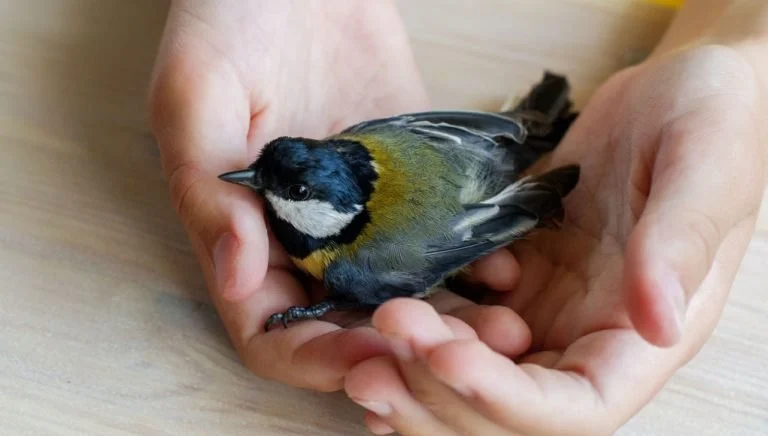
1. Introduction to Common Bird Illnesses in the UK
As a pet bird owner in the UK, understanding common bird illnesses is crucial to maintaining the health and happiness of your feathered companion. Birds are sensitive creatures, and many pet owners are unaware of the potential health risks they face. In this article, we will explore the most common illnesses affecting birds, their symptoms, prevention methods, and tips on how to care for your bird in case it falls ill. These tips will help you ensure your pet bird stays healthy and safe in its home environment.

Poochie Pantry Sherburn Pet Supplies, Delivery, Click and Collect or Shopping by Appointment
Manor Garth, Bishopdyke Rd, Leeds LS25 6HP, UK
2. Recognizing the Symptoms of Common Bird Illnesses
Birds can be very good at hiding symptoms of illness, which makes it difficult for pet owners to notice when something is wrong. However, being able to recognize the early warning signs can make a big difference in providing timely care. Common symptoms of bird illnesses include:
- Changes in appetite or drinking habits
- Feather loss or changes in the appearance of feathers
- Lethargy or lack of interest in normal activities
- Diarrhea or abnormal droppings
- Labored or wheezy breathing
- Excessive scratching or head tilting
If your bird exhibits any of these symptoms, it's important to consult a vet experienced in avian care as soon as possible to diagnose and treat the illness.

3. Common Bird Illnesses and Their Causes
Several illnesses are common in pet birds, especially in the UK where weather and environmental conditions can have an impact on bird health. Here are some of the most common bird illnesses and their causes:
3.1. Avian Influenza (Bird Flu)
Avian Influenza, or bird flu, is a viral infection that can affect both wild and domesticated birds. Symptoms include coughing, sneezing, nasal discharge, and swelling of the eyes or face. Bird flu can be spread through contact with infected birds or contaminated environments. It's important to quarantine any new birds and regularly clean their cages to prevent outbreaks.
3.2. Psittacosis (Parrot Fever)
Psittacosis is a bacterial infection that primarily affects parrots but can be transmitted to other birds and even humans. Birds with psittacosis may exhibit symptoms such as diarrhea, breathing difficulties, and lethargy. Treatment with antibiotics is often required, but it is critical to seek medical help quickly to avoid complications.
3.3. Feather Plucking and Skin Disorders
Feather plucking is a behavioral condition, often triggered by stress, boredom, or health issues. It can also indicate infections or parasites. If your bird is constantly plucking its feathers, it may be due to environmental stress, such as lack of stimulation or improper diet. Addressing the root cause is essential for treatment and prevention.
3.4. Aspergillosis
Aspergillosis is a fungal infection commonly found in birds. It affects the respiratory system and is caused by exposure to moldy or damp environments. Birds with aspergillosis may show signs of labored breathing, nasal discharge, or a decrease in activity. Keeping your bird's living space clean and dry is key to preventing this illness.
4. Preventing Illness in Your Pet Bird
Prevention is always better than cure, and as a bird owner in the UK, there are several steps you can take to help protect your pet from illness:
- Ensure your bird has a balanced diet with all the necessary vitamins and nutrients.
- Regularly clean your bird's cage, toys, and feeding equipment.
- Provide your bird with a stress-free environment, including social interaction and mental stimulation.
- Quarantine any new birds for at least 30 days before introducing them to your existing pets.
- Regularly check for signs of illness and consult a vet if you're concerned about your bird's health.
5. Seeking Professional Care for Sick Birds
If your bird shows signs of illness, don't hesitate to seek professional help. A qualified avian vet can provide the best care and recommend treatments specific to your bird's condition. In the UK, there are many veterinary clinics with specialists who can diagnose and treat bird illnesses effectively. Make sure to choose a vet who has experience with avian species to ensure the best care for your pet.
6. Conclusion: Keeping Your Pet Bird Healthy in the UK
Owning a pet bird can be a joyful experience, but it also comes with the responsibility of ensuring their health and well-being. By recognizing the common signs of illness and understanding how to prevent and treat bird diseases, you can keep your feathered companion happy and healthy for years to come. For more bird care tips and the best bird products, be sure to visit our website, RegPets, where you can find everything you need to care for your pet bird effectively.






 Medivet Winterton - Winter Swan Vet Centre4.0 (32 reviews)
 Vets Now Peterborough4.0 (255 reviews)
 Affordable Vets5.0 (7 reviews)
 Armthorpe Falcons4.0 (6 reviews)
 Pet Stop Market Deeping4.0 (316 reviews)
 Strachan Veterinary Practice Heaton4.0 (290 reviews)
 What to Expect During Your Pet’s First Vet Visit: A Guide for UK Pet Owners
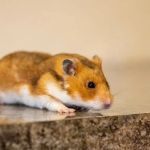 Expert Vet Advice on Behaviour Training for Hamsters
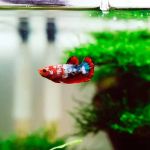 Improve Fish Mental Health at Home: Tips and Recommendations
 Complete Guide to Common Illnesses for Puppies: Symptoms, Causes, and Treatments
 Complete Guide to Puppy and Kitten Care for Dogs | RegPets
 Complete Guide to Dental Care for Kittens