
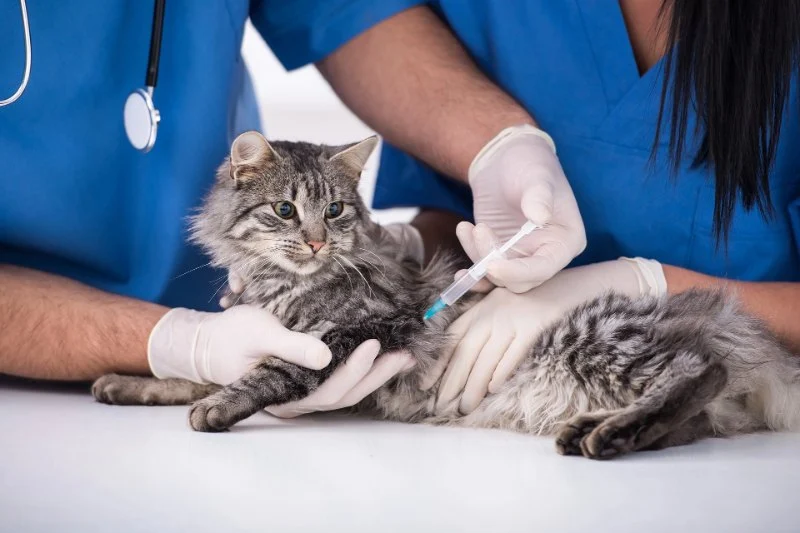
Vaccination Guide Tips for Cats: What UK Pet Owners Need to Know
- 1. Why Are Vaccinations Essential for Your Cat?
- 2. Core Vaccines Every Cat Should Receive
- 3. Optional Vaccines and Their Benefits
- 4. Vaccination Schedule: When and How to Vaccinate Your Cat
- 5. Choosing the Right Vaccines for Your Cat
- 6. Common Vaccine Myths and Facts
1. Why Are Vaccinations Essential for Your Cat?
As a responsible pet owner in the UK, ensuring that your cat is properly vaccinated is one of the most important steps you can take to protect their health. Vaccines help to prevent severe and often fatal diseases that can spread easily among cats. Whether your cat is a playful kitten or an older adult, vaccinations are crucial for safeguarding their immune system and overall well-being.

2. Core Vaccines Every Cat Should Receive
Core vaccines are essential for all cats, regardless of their lifestyle or location. In the UK, these vaccines protect against the most common and dangerous diseases, such as:
- Feline viral rhinotracheitis (FVR) - a respiratory disease caused by the feline herpesvirus.
- Feline calicivirus (FCV) - a virus that affects the respiratory system and can lead to severe oral ulcers.
- Feline panleukopenia (FPV) - a highly contagious and often fatal disease that affects a cat's immune system and gastrointestinal tract.
These vaccines are typically administered to kittens as early as 8 weeks old, with boosters given throughout their lifetime. Your veterinarian can provide a schedule that fits your cat's needs.

3. Optional Vaccines and Their Benefits
In addition to core vaccines, there are optional vaccines that may be suitable for some cats, depending on their lifestyle, risk factors, and environment. These vaccines include:
- Leptospirosis - a bacterial infection that can be spread through urine, particularly in cats that spend time outdoors.
- Feline leukaemia virus (FeLV) - important for cats that are at risk of coming into contact with infected animals.
While these vaccines are not required for every cat, they can be highly beneficial in certain situations. Discuss with your vet whether these vaccines are appropriate for your pet based on their specific needs.
4. Vaccination Schedule: When and How to Vaccinate Your Cat
The vaccination schedule for cats starts early in their life, but it’s also important to maintain regular boosters throughout their adulthood. A typical vaccination schedule might look like this:
- Initial vaccinations for kittens (8-9 weeks old)
- Booster vaccines at 12-16 weeks old
- Annual or triennial boosters, depending on the vaccine and your vet’s recommendation
Following the vaccination schedule ensures that your cat remains protected from infectious diseases. It's important to keep track of your cat's vaccinations, so make sure to visit your vet for regular check-ups.
5. Choosing the Right Vaccines for Your Cat
When it comes to choosing the right vaccines, it’s essential to consider your cat’s lifestyle. For example, if your cat is an indoor-only pet, they may not need vaccines for diseases spread through outdoor contact. However, if your cat spends time outdoors or interacts with other animals, they may need additional vaccines to ensure their health and safety.
Consulting with a veterinarian is key to making the right decision for your cat. Your vet will assess your cat's risk factors and recommend a tailored vaccination plan that best suits their individual needs.
6. Common Vaccine Myths and Facts
There are many myths surrounding cat vaccinations, and it’s important to separate fact from fiction to make informed decisions about your cat’s health. Here are a few common myths:
- Myth: Vaccines are dangerous and can cause harm to cats.
- Fact: Vaccines are safe and undergo rigorous testing to ensure they’re effective and safe for cats.
- Myth: Indoor cats don’t need vaccines.
- Fact: Even indoor cats are at risk of diseases like feline herpesvirus and calicivirus, making vaccines important for all cats.
It’s essential to get information from credible sources and consult your veterinarian to make the best decisions for your cat's health.
For more detailed information on pet care, vaccines, and other products tailored for your cat's health, visit our site at RegPets, where you can find the best products and services for your feline companion.





 Ironstone Veterinary Clinic - Vets Middlesbrough5.0 (4 reviews)
 Shelly's Pet Shop5.0 (11 reviews)
 Ryedale Vets - Helmsley4.0 (137 reviews)
 Pets at Home Catterick4.0 (240 reviews)
 Equine Veterinary Centre4.0 (37 reviews)
 Belvoir Vets4.0 (135 reviews)
 Dealing with Anxiety and Stress in Pets: Vet Advice for UK Pet Owners
 Complete Guide to Health Checkups for Reptiles
 Top 10 Weight Management Tips Every Exotic Pet Owner in the UK Should Know
 Pet Dental Care: Why Regular Vet Visits Matter
 How to Handle Emergency Situations with Your Pet | RegPets
 Best Practices for Mental Health in Rabbits: Ensuring Your Pet's Well-being