
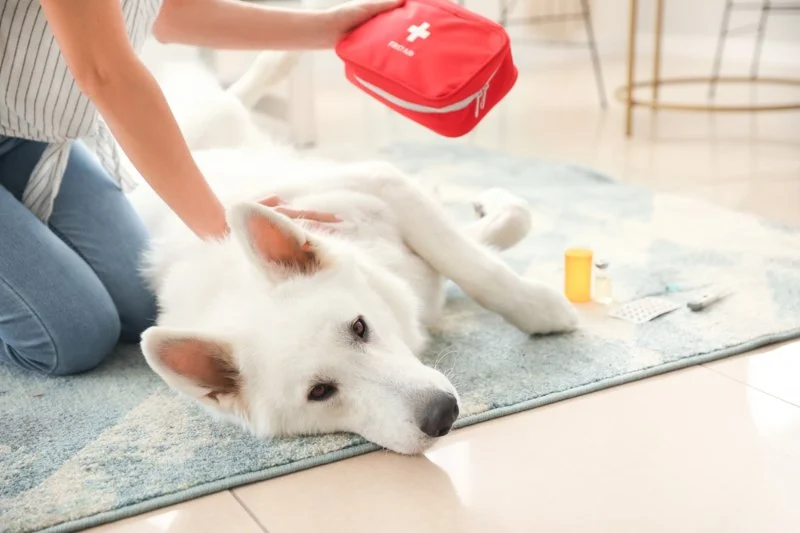
- 1. Puppy First Aid Basics: What Every Pet Owner Should Know
- 2. Common Puppy Injuries and How to Treat Them
- 3. When to See the Vet: Knowing When It’s an Emergency
- 4. How to Perform Basic First Aid on Your Puppy
- 5. Real-Life Case Study: Puppy First Aid in Action
- 6. Recommendations from RegPets for Puppy Care
1. Puppy First Aid Basics: What Every Pet Owner Should Know
As a new puppy owner, it's essential to be prepared for any emergency situation that may arise. Puppies are naturally curious and can often get themselves into tricky situations, leading to minor injuries or accidents. Understanding the basics of puppy first aid can help you respond quickly and effectively in these situations.
First aid for puppies focuses on stabilizing their condition until professional veterinary care is available. It’s important to stay calm and act quickly, as this can prevent a situation from worsening and ensure your puppy remains safe. Having a first aid kit specifically designed for puppies, along with the knowledge of what to do in emergencies, can make all the difference.

LK9 Raw Ltd
Unit 23, Tundry Way, Blaydon Business Park, Blaydon-on-Tyne NE21 5SJ, UK
2. Common Puppy Injuries and How to Treat Them
Puppies are playful, and this can sometimes lead to common injuries such as cuts, scrapes, or even sprains. Here’s a look at some typical injuries and how to treat them:
- Scrapes and Cuts: If your puppy has a minor scrape or cut, clean the wound gently with warm water and mild soap. Apply an antiseptic solution and bandage the area to prevent infection. If the bleeding doesn’t stop or the wound is deep, it’s essential to visit the vet.
- Sprains or Strains: If you suspect your puppy has sprained a limb, keep them calm and prevent them from walking on the injured leg. Apply a cold compress for 10-15 minutes to reduce swelling. If there’s any doubt, seek veterinary advice immediately.
- Poisoning: Puppies are naturally curious and may ingest harmful substances, such as plants, chemicals, or household cleaners. If you suspect poisoning, contact your vet immediately or reach out to a pet poison control helpline. Never induce vomiting unless instructed to do so by a professional.
- Heatstroke: Puppies can be sensitive to heat, especially in the summer months. Signs of heatstroke include excessive panting, drooling, and weakness. Move your puppy to a cooler area and offer them water. Apply cool (not cold) water to their body, and if symptoms persist, seek veterinary care.
Recognizing these common injuries and knowing how to treat them can help you manage a situation until you can get professional help for your puppy.

3. When to See the Vet: Knowing When It’s an Emergency
While many minor injuries can be treated at home, some situations require immediate veterinary attention. Here are some signs that you should seek professional help as soon as possible:
- Severe Bleeding: If your puppy is bleeding heavily and the bleeding doesn’t stop with pressure or basic first aid, it’s time to visit the vet immediately.
- Breathing Difficulties: If your puppy is struggling to breathe or showing signs of choking, they need emergency care. Don’t wait for symptoms to improve on their own.
- Unresponsiveness: If your puppy loses consciousness or appears lethargic for an extended period, this could indicate a serious problem, and veterinary care is essential.
- Severe Vomiting or Diarrhea: If your puppy has been vomiting or has diarrhea for more than 24 hours, it could lead to dehydration, which is dangerous. Take them to the vet immediately for evaluation.
Knowing when to seek veterinary care can help you make informed decisions that protect your puppy’s health. Trust your instincts—if something doesn’t feel right, don’t hesitate to consult a professional.
4. How to Perform Basic First Aid on Your Puppy
Being able to perform basic first aid on your puppy can prevent a small injury from turning into a larger issue. Here are some key steps to follow:
- Stay Calm: Puppies can sense your anxiety, so it’s important to remain calm to help soothe your puppy.
- Assess the Situation: Quickly evaluate the injury or situation. Is the puppy in pain? Are there any visible wounds or signs of distress?
- Apply First Aid: For minor injuries like scrapes or cuts, gently clean the wound with warm water and apply an antiseptic. If the injury is more serious, apply pressure to stop bleeding or wrap the injury to stabilize it.
- Transport Safely: If the injury is severe, carefully transport your puppy to the vet. Use a pet carrier or a soft towel to support your puppy during transport.
While these basic first aid steps can help stabilize your puppy, remember that professional care is always recommended for anything more than a minor injury.
5. Real-Life Case Study: Puppy First Aid in Action
Meet Emily, a first-time puppy owner, who faced an emergency when her puppy, Max, ate a small piece of chocolate. Realizing that chocolate can be toxic to dogs, Emily acted quickly. She immediately called her vet, who instructed her to bring Max in for treatment. In the meantime, Emily kept Max calm and waited for the vet’s instructions. Fortunately, Max was treated promptly, and with the vet’s help, he made a full recovery.
This case illustrates the importance of knowing what to do in an emergency. Emily’s quick thinking and ability to act based on the advice of her vet helped prevent a dangerous situation from becoming worse.
6. Recommendations from RegPets for Puppy Care
At RegPets, we recommend keeping a well-stocked puppy first aid kit on hand, including items like gauze, antiseptic, bandages, and your vet’s emergency contact number. It’s also important to stay informed about your puppy’s health and safety, so be sure to schedule regular check-ups with your vet. If you're ever unsure about how to handle a specific situation, don’t hesitate to reach out to your vet for advice.
For more tips on puppy care, health products, and expert advice, visit our website. We provide high-quality products and services to ensure your puppy stays healthy and happy.



 Bishopton Veterinary Group Northallerton5.0 (147 reviews)
 Newgrange Vets5.0 (36 reviews)
 HG Pets - Independent Harrogate Pet Shop & Dog Groomer5.0 (105 reviews)
 Myerscough Veterinary Group, Leyland4.0 (57 reviews)
 O My Dog! Pet Supplies4.0 (41 reviews)
 Vets4Pets - Catterick Garrison4.0 (269 reviews)
 How to Improve Puppies Spaying and Neutering at Home
 How to Handle Emergency Situations with Your Pet | Pet Safety Tips
 UK Pet Owner’s Guide to Spaying and Neutering for Fish – Expert Advice
 Pet Dental Care: Why Regular Vet Visits Matter
 How to Prepare Your Pet for Their Annual Checkup – UK Pet Owner's Guide
 Vet-Approved Behaviour Training for Senior Pets: A Guide to a Happier, Healthier Pet