
RegPets
HomePet CheckupsPet Shop Near MeVets Near Me
EnglandNorthern IrelandScotlandWales

RegPetsPet Checkups

Complete Guide to Health Checkups for Reptiles

Complete Guide to Health Checkups for Reptiles

1-Introduction to Reptile Health Checkups

Taking care of a reptile involves more than just providing the right habitat and diet—it’s also essential to ensure that your pet stays healthy. Just like any other pet, reptiles require regular health checkups to ensure they are free of illnesses and enjoying a long, healthy life. Regular health checkups are especially important as reptiles can be very good at hiding illness or discomfort, making it harder for owners to spot early warning signs of health issues.In this guide, we will explore everything you need to know about reptile health checkups—from understanding why they are crucial to knowing what to expect during a visit to the vet.

2-Why Regular Health Checkups are Essential for Reptiles

Reptiles, including turtles, snakes, lizards, and others, are unique animals with specific health needs. Regular checkups are essential for a few key reasons:Early Detection of Diseases: Reptiles are notorious for hiding symptoms of illness. Early detection through regular health checkups can ensure that diseases like metabolic bone disease, respiratory infections, or parasitic infections are caught early and treated effectively.Monitoring Growth and Development: As reptiles grow, their health needs change. Regular checkups allow a veterinarian to monitor the reptile’s growth, diet, and habitat adjustments. This can help prevent issues related to improper care, such as nutritional imbalances or inadequate environmental conditions.Maintaining Long-Term Health: Just like humans, reptiles benefit from preventive care. Regular checkups help ensure that your reptile remains in optimal health, reducing the risk of chronic diseases and ensuring they live a long, happy life.

3-Choosing the Right Veterinarian for Your Reptile

Selecting the right veterinarian for your reptile is crucial to ensuring their health and well-being. Not all veterinarians specialize in reptile care, so it’s important to find one who is experienced with reptiles. Here’s how to choose the best vet:Look for Specialization: Search for a veterinarian who is certified or specializes in reptile care. A specialist will have a deeper understanding of the unique health concerns that reptiles face and will be more equipped to handle their needs.Read Reviews and Ask for Recommendations: Check online reviews, ask for recommendations from other reptile owners, or inquire at local pet shops that specialize in reptiles to find a reputable vet.Consider the Vet’s Facility: A veterinary clinic that is experienced with reptiles will have the necessary equipment, including special diagnostic tools, to assess the health of your pet. A facility that provides separate, stress-free spaces for reptiles is also a good sign.

4-Common Health Procedures During a Reptile Checkup

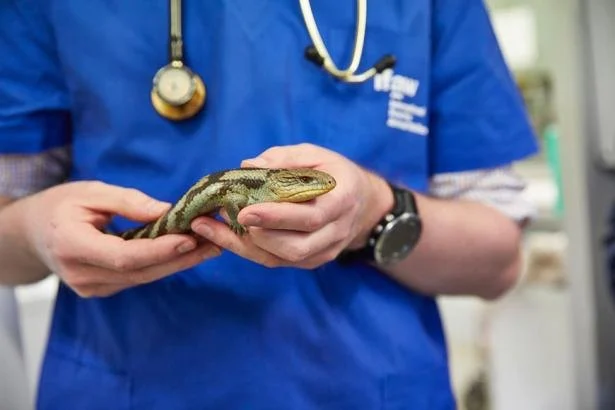
During a health checkup, a veterinarian will perform several procedures to ensure your reptile is in good health. Some common procedures include:Physical Examination: The vet will assess your reptile’s overall appearance, checking for signs of weight loss, skin issues, swelling, or any abnormal behavior. They will also check your reptile’s mouth, eyes, and limbs for signs of infection or injury.Fecal Examination: A fecal test is common during a reptile checkup to check for parasites, bacteria, or other infections that could affect your reptile’s digestive system.Blood Work: Blood tests may be used to check for signs of disease, organ function, and overall health. These tests can identify underlying health issues that are not visible during a physical exam.X-Rays or Imaging: In some cases, the vet may perform X-rays or imaging to check for bone fractures, internal organ health, or abnormalities such as tumors.

5-Signs Your Reptile Needs a Health Checkup

It’s important to recognize when your reptile may need to visit the vet. Some common signs that indicate a health checkup is needed include:Changes in Eating or Drinking Habits: A sudden loss of appetite, refusal to eat, or changes in drinking habits can be signs of illness or discomfort.Behavioral Changes: If your reptile is more lethargic than usual, has difficulty moving, or displays signs of aggression, it may indicate health problems.Physical Symptoms: Unexplained weight loss, skin discoloration, abnormal shedding, swelling, or visible injuries should be addressed by a vet immediately.Breathing Issues: Any signs of labored or noisy breathing, open-mouthed breathing, or nasal discharge can be signs of respiratory infections or other health issues.

6-Preventive Care for Reptiles

Preventive care is a key part of maintaining your reptile’s health. Here are some tips for keeping your reptile in good condition:Proper Diet: Ensure your reptile receives a balanced diet suited to its species. This includes providing the right amount of protein, vitamins, and minerals.Appropriate Habitat: Maintain an optimal habitat for your reptile, including proper temperature, humidity, and lighting. An inadequate environment can lead to stress and health problems.Regular Monitoring: Keep an eye on your reptile’s behavior, appetite, and physical condition. This will help you catch any early signs of illness and prevent potential health issues.Hydration: Make sure your reptile always has access to fresh, clean water. Dehydration can lead to serious health problems for reptiles.With these tips and knowledge in hand, you can ensure that your reptile stays healthy and happy for years to come.For more information on reptile care and to find the best products and services for your pet, visit RegPets.

Popular Blog Posts

Categories

Top Visited Sites

Trending Pet Checkups Posts