
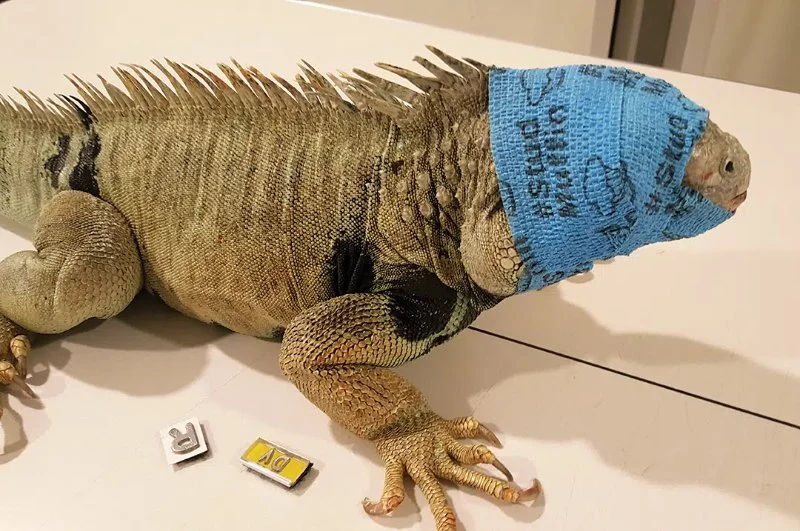
- Understanding Reptile Mental Health
- Signs of Stress in Reptiles
- Creating a Stress-Free Environment
- Mental Health Improvement Tips for Reptiles
- When to Seek Professional Help for Your Reptile
Understanding Reptile Mental Health
Reptiles, like any other pet, can experience stress and anxiety, which can negatively impact their mental health. Unlike mammals, reptiles do not express emotions in ways that are immediately apparent, making it crucial for reptile owners to understand the subtle signs of mental distress. Vet-approved mental health practices for reptiles can help keep your pet healthy and happy, ensuring that their needs are met in a way that supports their overall well-being.

Signs of Stress in Reptiles
Reptiles may not show emotions in the same way as other pets, but there are several behavioral and physical signs that can indicate they are stressed or suffering from poor mental health. Here are some common signs:
- Increased Aggression: If your reptile is suddenly more aggressive than usual, it could be a sign of stress or discomfort. They may lash out more frequently or become defensive when approached.
- Loss of Appetite: A stressed reptile may refuse food or seem disinterested in eating. This can lead to weight loss and dehydration if not addressed promptly.
- Constant Hiding: Reptiles are known to seek shelter when they feel unsafe. If your reptile is hiding more than usual or spending excessive time in hiding spots, it could be a response to environmental stress.
- Excessive Shedding: While shedding is normal, excessive shedding or difficulty shedding can be a sign of stress or illness in reptiles.
- Disorientation or Lethargy: A stressed or mentally unwell reptile might become lethargic, showing little interest in moving or exploring its environment. They may appear disoriented or unresponsive.
Creating a Stress-Free Environment
One of the most effective ways to improve your reptile's mental health is by creating a stress-free environment. Reptiles are highly sensitive to changes in their habitat, and an unsuitable environment can quickly lead to stress. Here are some tips to create a peaceful and comfortable space for your reptile:
- Provide Proper Enclosure Size: Ensure that your reptile has enough space to move around comfortably. The enclosure should be large enough to accommodate its size and allow for natural behaviors like basking, hiding, and exploring.
- Maintain the Right Temperature and Humidity: Reptiles are cold-blooded creatures, and they require specific temperature and humidity levels to thrive. Ensure that your reptile’s environment mimics the natural habitat they are from, with appropriate heating and humidity levels.
- Offer Hiding Spots and Climbing Areas: Reptiles often seek out hiding places when they feel stressed. Providing rocks, branches, or hides can help your reptile feel safe and secure. Climbing structures can also help them stay active and engage in natural behaviors.
- Avoid Sudden Changes: Try to keep changes to the enclosure minimal. Reptiles are sensitive to sudden shifts in their environment, such as loud noises, frequent movement, or sudden changes in lighting. Keeping the environment stable will help reduce their stress.
Mental Health Improvement Tips for Reptiles
In addition to creating a comfortable environment, there are other strategies you can implement to improve your reptile’s mental health:
- Establish a Routine: Reptiles thrive on routine. Keeping feeding times, handling sessions, and lighting schedules consistent will help them feel more secure.
- Gentle Handling: While some reptiles enjoy interaction, others prefer minimal handling. Be mindful of how much you handle your reptile, as overhandling can cause stress. When you do interact with them, be calm and gentle.
- Socialization: Some reptiles are social and can benefit from the presence of other reptiles. However, be cautious and do your research before introducing new animals into your pet’s enclosure to avoid aggression or territorial stress.
- Offer a Balanced Diet: Providing a proper, balanced diet is crucial for your reptile’s physical and mental health. Offering fresh, nutritious food tailored to your reptile’s species can improve their energy levels and overall well-being.
When to Seek Professional Help for Your Reptile
Sometimes, despite your best efforts, your reptile may show signs of ongoing stress or mental health issues. When this happens, it’s essential to seek professional help from a vet who specializes in reptile care. A vet-approved treatment plan might include medications, dietary changes, or a more detailed examination of the reptile’s environment. Don't hesitate to consult a professional if your reptile’s symptoms persist or worsen.
By taking the time to understand your reptile’s mental health needs and creating an environment that promotes well-being, you can help your pet live a longer, healthier life. For expert advice on reptile care and supplies, check out RegPets for the best products and services to support your pet’s mental health!





 Creebridge Veterinary Centre4.0 (65 reviews)
 Shosha Koi5.0 (31 reviews)
 Paws to Ponies Vet Physio5.0 (7 reviews)
 Medivet Northallerton East Rd4.0 (117 reviews)
 Pets at Home Bradford4.0 (827 reviews)
 Pets at Home Dumfries4.0 (455 reviews)
 How to Spot Signs of Arthritis in Older Pets | RegPets
 Dealing with Anxiety and Stress in Pets: Vet Advice on Managing Pet Stress
 How to Spot Signs of Arthritis in Older Pets: A Complete Guide
 How to Prepare Your Pet for Their Annual Checkup
 UK Pet Owner’s Guide to Common Illnesses for Puppies
 Recognizing Symptoms of Allergies in Dogs and Cats in the UK