
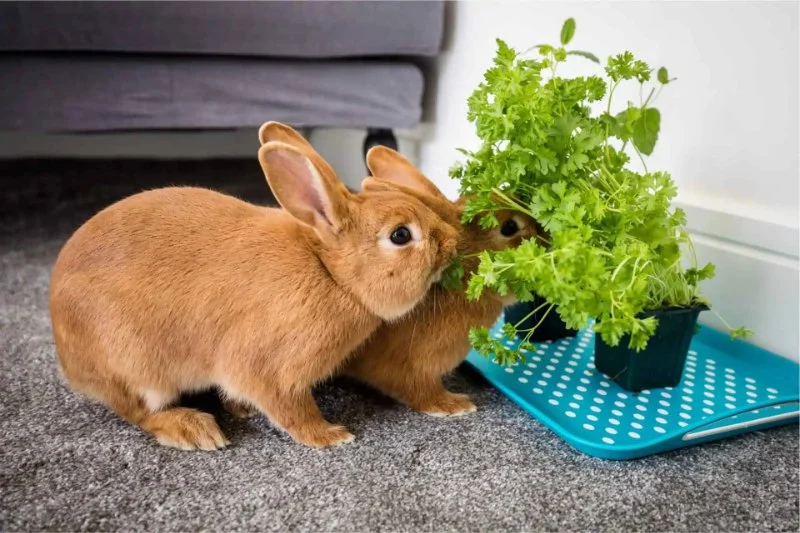
Preventive Care Tips for Rabbits: What UK Pet Owners Need to Know
- The Importance of Preventive Care for Rabbits
- Creating a Healthy Environment for Your Rabbit
- Feeding Your Rabbit: Diet and Nutrition
- Grooming Your Rabbit: Essential Tips
- The Role of Regular Veterinary Care
- Common Health Issues in Rabbits and How to Prevent Them
- When to Call a Vet for Your Rabbit
1. The Importance of Preventive Care for Rabbits
Preventive care is essential to ensuring that your rabbit stays healthy, happy, and free from common health issues. Rabbits, like all pets, require routine care and attention to maintain their wellbeing. Unlike some other pets, rabbits are prey animals, so they tend to hide signs of illness until they’re seriously unwell. By practicing preventive care, you can catch potential problems early and prevent them from becoming more serious, reducing the risk of costly vet bills and improving your rabbit's quality of life. In the UK, where weather conditions can vary, preventive care is especially crucial for maintaining their health throughout the year.2. Creating a Healthy Environment for Your Rabbit
The environment in which your rabbit lives plays a major role in its overall health. Here are some essential tips for setting up a healthy living space:- Proper Housing: Provide a spacious and secure cage or play area with enough room for your rabbit to move freely. Ensure the environment is free of drafts and direct sunlight to avoid stress or overheating.
- Temperature Control: Rabbits are sensitive to extreme temperatures. In the UK, where winters can be cold, ensure your rabbit’s housing is insulated and safe from frost.
- Safe Outdoor Time: If your rabbit is allowed to roam outside, ensure that the area is secure, free from predators, and rabbit-proofed to prevent escape.
3. Feeding Your Rabbit: Diet and Nutrition
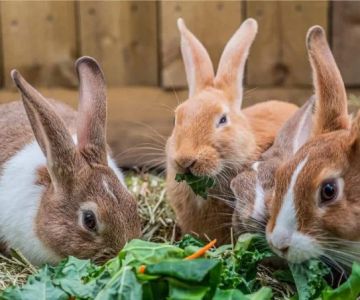
A well-balanced diet is one of the cornerstones of preventive care for rabbits. Here are some feeding tips to ensure that your rabbit gets the right nutrition:- Hay: Hay should make up 75% of your rabbit’s diet. Offer unlimited amounts of fresh, high-quality hay such as Timothy hay, which helps with digestion and keeps teeth healthy.
- Fresh Vegetables: Provide fresh leafy greens like parsley, basil, and cilantro. Avoid iceberg lettuce, which can cause digestive issues.
- Pellets: Offer a small amount of high-fiber rabbit pellets. Ensure that pellets are free of artificial additives and sugars.
- Water: Ensure your rabbit always has access to fresh, clean water. Water bottles or bowls should be cleaned regularly to avoid contamination.
4. Grooming Your Rabbit: Essential Tips
Grooming is an important part of preventive care for rabbits, especially if you have a long-haired breed. Here are key grooming tips:- Regular Brushing: Brush your rabbit regularly to prevent matting, especially if they have long fur. This also reduces the risk of hairballs, which can lead to digestive problems.
- Eye and Ear Care: Check your rabbit’s eyes and ears regularly for signs of discharge, dirt, or infection. Clean them gently with a damp cloth if necessary.
- Nail Trimming: Trim your rabbit’s nails regularly to prevent them from becoming overgrown or causing injury. If you’re unsure how to trim nails safely, ask a vet for guidance.
5. The Role of Regular Veterinary Care
Regular check-ups with a vet are essential for your rabbit’s overall health. Here’s why veterinary care is important:- Annual Check-ups: Even if your rabbit seems healthy, it’s important to take them for a yearly check-up to catch any potential health issues early.
- Vaccinations: In the UK, rabbits need to be vaccinated against diseases like Rabbit Haemorrhagic Disease (RHD) and myxomatosis. Discuss vaccination schedules with your vet.
- Spaying/Neutering: Spaying or neutering your rabbit is important for their long-term health and can prevent certain cancers and behavioral issues.
6. Common Health Issues in Rabbits and How to Prevent Them
Rabbits are prone to certain health conditions that can be prevented with proper care:- Dental Problems: Rabbits’ teeth grow continuously, and if they don’t wear down properly, they can cause abscesses and other issues. Provide a diet high in fiber to promote healthy tooth wear.
- Gastrointestinal Stasis: This is a serious condition where the digestive system slows down or stops. It can be caused by stress, lack of fiber, or dehydration. Ensure your rabbit always has access to hay and fresh water to support healthy digestion.
- Obesity: Overfeeding and lack of exercise can lead to obesity, which is common in rabbits. Ensure your rabbit gets regular exercise and avoid overfeeding them with pellets or sugary treats.
7. When to Call a Vet for Your Rabbit
Even with preventive care, rabbits can develop health problems. Be on the lookout for signs of illness such as:- Loss of appetite or difficulty eating
- Change in behavior or lethargy
- Discharge from the eyes, nose, or mouth
- Abnormal droppings or a lack of droppings
- Excessive grooming or hair loss



 Alnorthumbria Equine Vets5.0 (1 reviews)
 Sunderland PDSA Pet Hospital4.0 (1052 reviews)
 Newtownards Reptiles and pets supplies5.0 (22 reviews)
 Bard Vets Ltd4.0 (15 reviews)
 Greengates Boarding Cattery4.0 (55 reviews)
 Octopus 8 Aquatics4.0 (269 reviews)
 The Importance of Nutrition Tips for Puppies – UK Edition
 How to Manage Your Pet’s Weight and Prevent Obesity in the UK
 Dealing with Anxiety and Stress in Pets: Vet Advice on Managing Pet Stress
 How to Spot Signs of Arthritis in Older Pets in the UK
 The Importance of Microchipping Your Pet in the UK: What Every Owner Must Know
 Dealing with Anxiety and Stress in Pets: Vet Advice for UK Owners