
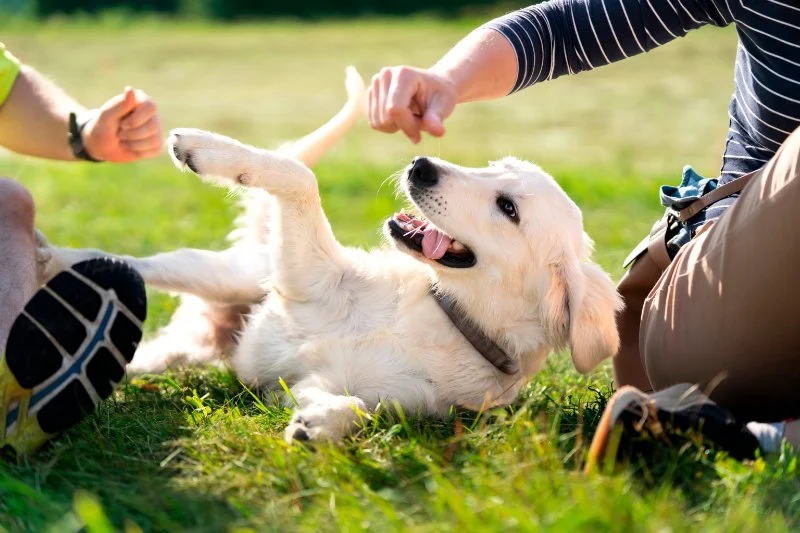
Behaviour Training Tips for Puppies: What UK Pet Owners Need to Know
- Why Behaviour Training is Crucial for Puppies
- Puppy Training Basics: What You Should Know
- Effective Puppy Training Tips
- Common Challenges in Puppy Behaviour Training
- Training Tools and Resources for UK Pet Owners
- Real-Life Puppy Training Success Stories
1. Why Behaviour Training is Crucial for Puppies
For new puppy owners in the UK, one of the most important steps is early behaviour training. Proper training helps prevent unwanted behaviours such as chewing, excessive barking, or pulling on the leash. Additionally, it fosters a positive bond between you and your puppy, setting the foundation for a well-behaved adult dog.
Behaviour training is also vital for the safety and wellbeing of both your puppy and the people around you. An untrained puppy may act out of excitement or fear, leading to dangerous situations. With the right training, your puppy will learn how to behave appropriately, both at home and when out and about, making your life and theirs much easier.

PetExtra
Unit 2B, County Business Park, Darlington Rd, Northallerton DL6 2NQ, UK
2. Puppy Training Basics: What You Should Know
Before jumping into specific training tips, it's essential to understand some fundamental principles of puppy behaviour training. Here are the key things every UK pet owner should know:

2.1. Start Early
One of the most effective ways to train a puppy is to start as early as possible. Puppies are like sponges, soaking up everything around them, so it's best to begin training when they are between 8 to 16 weeks old. The earlier you start, the easier it will be to establish positive habits and correct unwanted behaviours.
2.2. Be Consistent
Consistency is crucial in puppy training. Puppies thrive on routine and structure. Make sure to use the same commands and rewards every time you train, and ensure all family members are on the same page. Consistent training will help your puppy understand what is expected and reinforce good behaviour.
2.3. Positive Reinforcement
Positive reinforcement is one of the most effective training methods. Rewarding your puppy with treats, praise, or toys when they exhibit the desired behaviour encourages them to repeat it. This method builds trust and motivation, making training sessions enjoyable for both you and your puppy.
3. Effective Puppy Training Tips
Once you've got the basics down, here are some practical training tips to help you successfully train your puppy:
3.1. Crate Training
Crate training is an excellent way to teach your puppy about boundaries and provide them with a safe, secure space when you're not around. Make sure to introduce the crate gradually, allowing your puppy to associate it with positive experiences such as meals, treats, and naps.
Crate training also helps with housebreaking, as it encourages puppies to hold their bladder when they're in their crate. Make sure to use the crate as a place for relaxation, not punishment, to create a positive association.
3.2. Socialisation
Proper socialisation is vital for your puppy’s emotional development. Exposing your puppy to different environments, people, and other dogs helps them become well-adjusted and confident adults. Socialisation reduces the likelihood of anxiety, fear, and aggressive behaviours later in life.
Take your puppy to pet-friendly parks, invite friends over, and expose them to various sounds and situations. The goal is to make your puppy comfortable with a wide range of experiences, so they learn how to behave appropriately in different settings.
3.3. Leash Training
Leash training is one of the most important skills for your puppy to master. Start by getting your puppy used to wearing a collar and leash indoors before moving to outdoor environments. Use positive reinforcement to reward your puppy for walking calmly on the leash and avoid pulling. If they start pulling, stop walking until they calm down and then continue.
4. Common Challenges in Puppy Behaviour Training
Even with the best intentions, puppy training can come with its challenges. Here are some of the most common issues UK pet owners face and how to address them:
4.1. Jumping Up
Jumping up is a common puppy behaviour, especially when they're excited to see you or other people. To discourage this behaviour, ignore your puppy when they jump up, and reward them only when they remain calm. Consistently doing this will teach them that jumping doesn’t get attention, but calm behaviour does.
4.2. Chewing
Chewing is a natural puppy behaviour, especially when they’re teething. However, it’s important to redirect this behaviour to appropriate items. Provide chew toys and ensure your puppy has plenty of things to keep them occupied. If they start chewing on furniture or shoes, gently redirect them to a toy and reward them for using it.
4.3. Barking
Excessive barking can be frustrating, but it's often a sign of boredom, anxiety, or a lack of training. Make sure your puppy gets enough exercise and mental stimulation. If they bark out of excitement, teach them the “quiet” command using positive reinforcement.
5. Training Tools and Resources for UK Pet Owners
To help you on your puppy training journey, there are many tools and resources available for UK pet owners. Here are some that may come in handy:
5.1. Puppy Training Classes
Puppy training classes can be a great way to get started with behaviour training. These classes often provide expert advice and allow you to socialise your puppy with other dogs. Look for local classes in your area, such as those offered by the Kennel Club or other reputable training providers.
5.2. Training Books and Online Courses
There are countless resources available online and in bookstores to help you train your puppy. Websites like RegPets offer online courses and guides tailored to UK pet owners, providing step-by-step instructions on various training techniques. These can be a valuable supplement to your in-person classes and help reinforce your puppy’s training.
5.3. Professional Trainers
If you’re struggling with specific behavioural issues, it might be helpful to consult a professional dog trainer. Many trainers offer private lessons or group classes to address specific concerns such as aggressive behaviour, separation anxiety, or advanced obedience training.
6. Real-Life Puppy Training Success Stories
Many UK pet owners have successfully trained their puppies at home with a little patience and consistency. For example, Emma, a new puppy owner in Manchester, used crate training and positive reinforcement to housebreak her Golden Retriever, Bella. Within just a few weeks, Bella was not only house-trained but also learned basic commands like “sit” and “stay.”
Similarly, Alex from London shared how socialising his Cockapoo, Charlie, helped him overcome his puppy’s fear of other dogs. By regularly taking Charlie to the local park and using treats as rewards, Alex was able to help Charlie become more comfortable with new experiences, eventually leading to a more confident and well-adjusted dog.






 The Reptile Realm0.0 (0 reviews)
 Alexander Vets4.0 (72 reviews)
 Paw Prints Pet Store4.0 (38 reviews)
 Intake Veterinary Services4.0 (19 reviews)
 Frame & Swift Limited4.0 (250 reviews)
 The Wild Bird Feeding Shop0.0 (0 reviews)
 UK Pet Owner’s Guide to Mental Health for Birds: Understanding and Supporting Your Pet’s Well-Being
 The Importance of Parasite Prevention for Rabbits – UK Edition
 Managing Pet Anxiety and Stress: Expert Vet Advice
 The Importance of Microchipping Your Pet in the UK
 Expert Vet Advice on Nutrition Tips for Fish
 Vaccination Guide Tips for Guinea Pigs: What UK Pet Owners Need to Know