
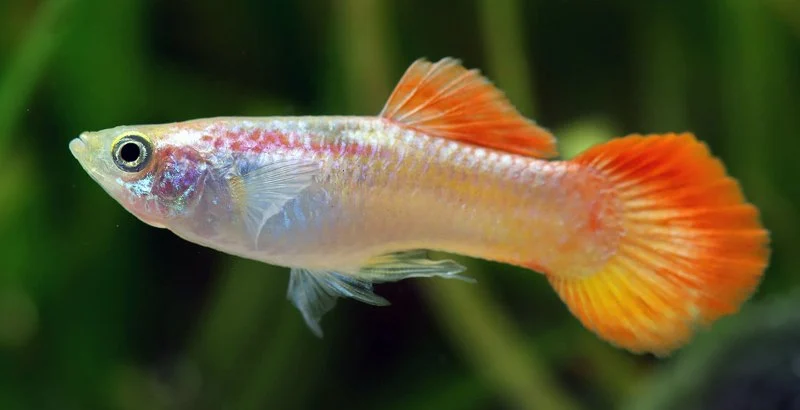
1. Best Practices for Dental Care in Fish
Just like humans, fish also require good oral care to maintain their health. Although fish don’t have traditional teeth like mammals, their oral health still plays a crucial role in their overall well-being. In this article, we’ll explore the best practices for dental care in fish and offer tips on how to ensure your aquatic pets maintain a healthy mouth.

2. The Importance of Fish Dental Care
Fish may not suffer from cavities like humans, but they are still prone to dental problems. In fact, fish can develop dental disease, which can impact their ability to eat and ultimately affect their health. Poor oral health in fish can also lead to infection or other serious conditions. Ensuring your fish maintain a healthy mouth is essential to their overall care and longevity.

3. Maintaining Fish Teeth
Fish, particularly those that are herbivores, often wear down their teeth naturally by chewing on rocks or plants in their environment. However, in an aquarium setting, this natural wear may not always occur. Here are some tips for keeping your fish’s teeth in top shape:
Offering Appropriate Food
Fish with teeth, such as herbivorous species, need food that helps keep their teeth from overgrowing. Offer them hard foods like algae wafers or specially designed pellets that can naturally help file down their teeth. Avoid feeding them only soft or processed foods, as this can lead to tooth overgrowth.
Providing Gravel and Rocks
For species that require additional wear for their teeth, provide some aquarium-safe gravel or rocks. These can help fish naturally grind their teeth down. Be cautious of sharp rocks or gravel, as they may cause injury. Smooth surfaces that allow for gentle abrasion are ideal.
Supplying a Balanced Diet
A balanced diet for your fish is not only important for their health but also for their teeth. Some fish, like plecos, require a variety of vegetables and algae to maintain their dental health. Similarly, carnivorous fish should be given protein-rich foods that mimic their natural diet to ensure proper dental function.
4. Common Dental Issues in Fish
While fish dental problems are less common than in other animals, they can still occur. Here are some common issues to watch for:
Overgrown Teeth
Fish with excessive tooth growth can have difficulty eating, leading to malnutrition. If you notice your fish struggling to eat or if their teeth appear unusually long, it may be a sign of overgrowth. Regular checks can help catch this issue early, and appropriate food or supplements can help manage it.
Mouth Infections
Mouth infections, often caused by poor water quality or injuries, are another dental issue in fish. Signs of a mouth infection include swelling, redness, or the appearance of lesions around the mouth area. Ensuring proper water hygiene and providing a safe environment can help prevent these infections.
Tooth Loss or Damage
Fish may lose or damage their teeth due to rough environments or lack of proper nutrition. If you notice a fish with missing or damaged teeth, it’s important to monitor their ability to eat and address any environmental or dietary factors that may have caused the issue.
5. Fish Dental Hygiene Routine
Maintaining your fish’s dental hygiene involves more than just offering the right foods. Here are some routine practices to follow:
Regular Water Changes
Clean, healthy water is vital for preventing infections and maintaining overall fish health. Regular water changes help remove toxins and debris that could contribute to mouth infections or dental problems.
Proper Filtration
Ensure that your aquarium has a high-quality filter that keeps the water clean and free from harmful bacteria. Poor filtration can lead to harmful conditions in the water, which may increase the risk of dental problems in your fish.
Consulting a Vet for Fish Dental Care
If you’re concerned about your fish’s dental health, it’s always a good idea to consult with a veterinarian who specializes in aquatic animals. They can provide expert advice and help diagnose and treat any issues your fish may have.
6. When to Consult a Professional
If your fish shows signs of dental problems that can’t be solved with diet and water changes alone, it’s time to seek professional help. A qualified vet can examine your fish’s teeth and mouth and suggest treatments, including possibly trimming overgrown teeth or providing medication for infections.
For more tips on maintaining your fish's health and dental hygiene, visit RegPets, where you can find quality products and expert advice for all your pet care needs.





 Pets at Home Cardiff Newport Rd4.0 (1141 reviews)
 Just for Pets - East Bridgford, Nottingham4.0 (54 reviews)
 Vets4Pets - Worksop4.0 (461 reviews)
 Baker, McVeigh & Abbott Ltd.5.0 (10 reviews)
 Pasture Pet & Pond Supplies4.0 (188 reviews)
 Archway Veterinary Practice4.0 (24 reviews)
 Expert Vet Advice on Behaviour Training for Hamsters
 The Ultimate Guide to Vaccinations for Dogs and Cats in the UK
 How to Prepare Your Pet for Their Annual Checkup – UK Pet Owner's Guide
 Complete Guide to Common Illnesses for Puppies: Symptoms, Causes, and Treatments
 The Importance of Microchipping Your Pet in the UK
 Expert Vet Advice on Preventive Care for Cats: Keep Your Cat Healthy