
Nutrition Tips for Reptiles: What UK Pet Owners Need to Know
php-templateCopy code- 1. Understanding the Unique Dietary Needs of Reptiles
- 2. Common Mistakes UK Pet Owners Make When Feeding Reptiles
- 3. Essential Nutrients for Your Reptile’s Health
- 4. Specific Diets for Popular Reptile Species
- 5. How to Feed Your Reptile Properly and Maintain a Balanced Diet
- 6. Finding the Right Pet Store and Products in the UK
- 7. Conclusion: Ensuring Your Reptile’s Health Through Proper Nutrition
1. Understanding the Unique Dietary Needs of Reptiles
Reptiles are cold-blooded animals with highly specific dietary needs. Unlike mammals, which regulate their body temperature internally, reptiles rely on their environment to maintain warmth. This affects their metabolism and digestion, meaning they require a diet that matches their unique biology. Understanding these needs is crucial for ensuring the health and longevity of your reptile pet.

2. Common Mistakes UK Pet Owners Make When Feeding Reptiles
Many reptile owners in the UK, especially first-timers, make common mistakes when feeding their pets. Some of these mistakes include:
- Overfeeding: Reptiles, unlike mammals, do not need to eat as often. Overfeeding can lead to obesity and other health issues.
- Incorrect Food Choices: Not all reptiles eat the same food. For example, herbivores like iguanas require leafy greens, while carnivores like snakes need a diet of mice or rats. Feeding them the wrong food can cause digestive problems.
- Lack of Calcium and Vitamin D: Many reptiles need supplemental calcium and vitamin D3 to prevent metabolic bone disease, which is common in reptiles that do not get adequate UVB light or the right diet.
3. Essential Nutrients for Your Reptile’s Health
A proper reptile diet should consist of a variety of nutrients, each playing a crucial role in their health. These include:
- Protein: Reptiles like carnivores and omnivores need a protein-rich diet. For example, a bearded dragon might eat insects such as crickets and mealworms.
- Fiber: Herbivorous reptiles need plenty of fiber, which can be found in leafy greens like kale and collard greens.
- Calcium: This is essential for bone health and preventing metabolic bone disease, a condition caused by calcium deficiency.
- Vitamins and Minerals: In addition to calcium, your reptile may need other vitamins, such as vitamin A (important for vision) and vitamin D3 (to help absorb calcium).
4. Specific Diets for Popular Reptile Species
Different reptiles have different dietary requirements, depending on whether they are herbivores, carnivores, or omnivores. Here are some tips for feeding some popular UK pet reptiles:

1. Bearded Dragons
Bearded dragons are omnivores, meaning they need both plant and animal matter. A balanced diet should include a mix of live insects (such as crickets) and fresh vegetables (like kale, carrots, and bell peppers). Be sure to avoid feeding them too many high-oxalate greens like spinach, as these can interfere with calcium absorption.
2. Leopard Geckos
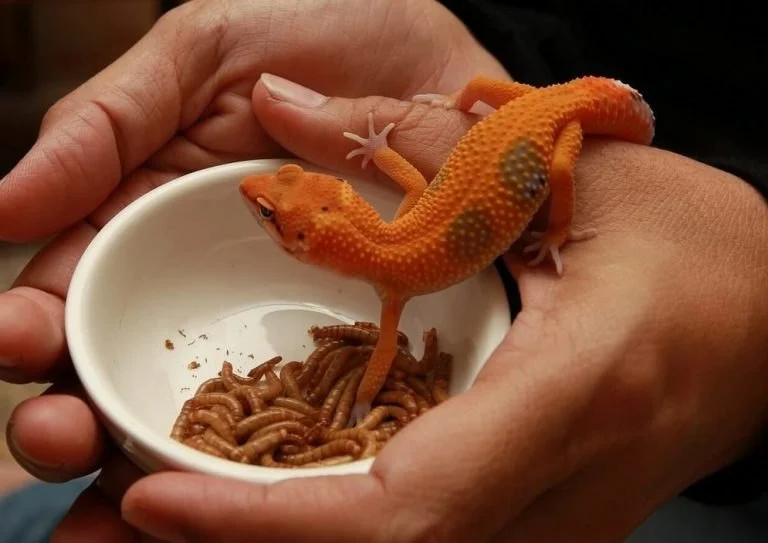
Leopard geckos are insectivores and primarily feed on live insects. Crickets, mealworms, and dubia roaches are all great options. Additionally, ensure they are dusted with calcium powder to prevent nutritional deficiencies.
3. Turtles
Different types of turtles have different diets, but most are omnivores. A common diet for aquatic turtles includes a mix of leafy greens, live food like insects or small fish, and commercial turtle pellets.
4. Iguanas
Iguanas are strict herbivores and require a diet rich in dark leafy greens, such as collard greens, dandelion greens, and mustard greens. Avoid feeding them fruits and vegetables that are high in oxalates, such as spinach and beet greens, which can hinder calcium absorption.
5. How to Feed Your Reptile Properly and Maintain a Balanced Diet
Feeding your reptile properly is about more than just offering the right foods—it's about offering them in the right way. Here are some tips to maintain a balanced diet:
1. Variety is Key
Variety is essential for ensuring that your reptile receives a broad spectrum of nutrients. Mixing different types of food, whether they are insects, vegetables, or fruits, ensures your pet gets the nutrition it needs.
2. Supplementing with Vitamins and Minerals
Many reptiles require additional supplements, especially if they are kept indoors and do not have access to natural sunlight. Calcium and vitamin D3 are particularly important. Use high-quality supplements designed for reptiles and follow the guidelines for frequency and dosage.
3. Proper Feeding Schedule
Feeding your reptile on a consistent schedule will help maintain its health. For example, juvenile reptiles often need to eat daily, while adults may only need to eat every other day. Always adjust the feeding schedule based on your reptile’s age, species, and activity level.
6. Finding the Right Pet Store and Products in the UK
Choosing the right pet store is crucial when it comes to providing high-quality nutrition for your reptile. Look for a store that offers a wide range of live food, supplements, and fresh produce. Additionally, online stores like RegPets can help you find the best reptile foods, including organic greens, insects, and specially formulated diets.
7. Conclusion: Ensuring Your Reptile’s Health Through Proper Nutrition
By understanding your reptile's specific nutritional needs and providing a well-rounded diet, you can help ensure its long-term health and happiness. Proper feeding is not just about preventing malnutrition, but also about providing your pet with the energy and nutrients it needs to thrive. If you're ever unsure, always consult a reptile specialist or visit a trusted pet store like RegPets for expert advice and high-quality products tailored to your pet’s needs.





 The Reptile Realm0.0 (0 reviews)
 Alexander Vets4.0 (72 reviews)
 Paw Prints Pet Store4.0 (38 reviews)
 Intake Veterinary Services4.0 (19 reviews)
 Frame & Swift Limited4.0 (250 reviews)
 The Wild Bird Feeding Shop0.0 (0 reviews)
 UK Pet Owner’s Guide to Mental Health for Birds: Understanding and Supporting Your Pet’s Well-Being
 The Importance of Parasite Prevention for Rabbits – UK Edition
 Managing Pet Anxiety and Stress: Expert Vet Advice
 The Importance of Microchipping Your Pet in the UK
 Expert Vet Advice on Nutrition Tips for Fish
 Vaccination Guide Tips for Guinea Pigs: What UK Pet Owners Need to Know