
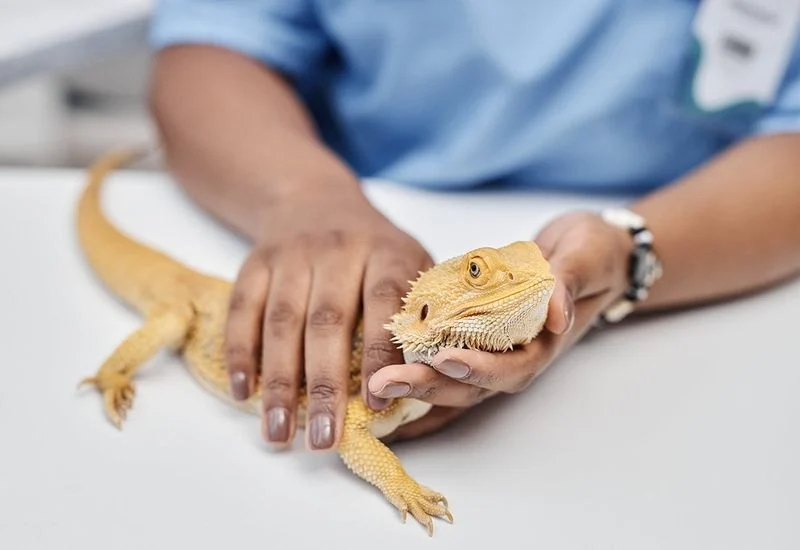
- seasonal-environment-control - adjusting reptile habitats across UK seasons
- winter-wellbeing-management - preventing cold stress and metabolic slowdown
- summer-heat-safety - avoiding overheating and dehydration risks
- feeding-hydration-adjustments - seasonal diet and hydration strategies
- health-monitoring-and-prevention - spotting early signs of illness and stress
Seasonal Environment Control for Reptiles in the UK
Reptile care in the UK comes with a unique challenge: unpredictable seasonal shifts. Unlike tropical environments where many reptiles originate, British weather fluctuates between damp cold winters and surprisingly warm summers. For owners, this means constant adjustment of enclosures to ensure stable living conditions.
Maintaining proper temperature gradients inside vivariums is essential. Species such as bearded dragons, corn snakes, and leopard geckos rely heavily on external heat sources to regulate their metabolism. Without correct seasonal adjustments, reptiles can become sluggish, stop feeding, or develop long-term health issues.
A recent case shared within UK reptile forums described a ball python that became inactive during an unusually cold spring. The issue was traced back to a drop in room temperature that had not been compensated with additional heating. Once corrected, the animal returned to normal feeding behavior within days.

The Raw Food Warehouse
OllertonNottinghamshireEngland
Unit 20, Beacon Court, Ollerton, New Ollerton, Newark NG22 9QL, UK
Top 10 Seasonal Health Tips Every Reptile Owner Should Know
1. Maintain Stable Temperature Gradients
Temperature control reptiles require is not optional—it is critical. Ensure basking areas and cool zones remain consistent regardless of outside weather. In winter, supplemental heating may be necessary even indoors.

2. Adjust UVB Exposure Seasonally
During shorter UK daylight hours, reptiles may receive less natural light even in indoor setups. UVB bulbs should be checked and replaced regularly to maintain proper vitamin D3 synthesis.
3. Monitor Humidity Levels Closely
Humidity for reptiles plays a major role in shedding and respiratory health. UK winters can create overly dry indoor environments due to heating systems, requiring misting or humidifiers.
4. Modify Feeding Schedules
Reptiles naturally adjust metabolism with seasonal changes. Slightly reducing feeding frequency during colder months can prevent obesity and digestive issues, particularly in species prone to brumation.
5. Hydration Is Often Overlooked
Even if reptiles do not drink visibly, hydration remains essential. Regular water checks and occasional soaking for certain species help maintain organ function and shedding health.
6. Watch for Seasonal Brumation Behavior
Some reptiles enter a hibernation-like state during colder months. Understanding species-specific brumation patterns prevents unnecessary alarm and ensures safe environmental management.
7. Enclosure Insulation Matters
Drafts from windows and fluctuating indoor heating can stress reptiles. Proper insulation of vivariums helps stabilize microclimates, especially in older UK homes.
8. Regular Health Observation
Small seasonal changes can reveal early health issues. Lethargy, reduced appetite, or abnormal shedding should always be investigated promptly.
9. Adjust Substrate According to Season
Certain substrates retain humidity better than others. In winter, moisture-retaining materials can help maintain balance, while summer may require drier options to prevent mold growth.
10. Consult Reliable Reptile Care Resources
For ongoing guidance, platforms like RegPets offer seasonal reptile care advice, habitat recommendations, and trusted product suggestions tailored to UK conditions.
Winter Wellbeing Management for UK Reptiles
Winter in the UK often brings the most significant challenges for reptile owners. Central heating systems dry out air while outdoor temperatures drop sharply, creating unstable conditions indoors. This imbalance can lead to respiratory stress in sensitive species.
Owners of snakes and lizards often report reduced activity levels during December and January. While this can be natural, it should always be checked against environmental readings to ensure it is not a sign of improper heating or lighting.
One reptile keeper shared an experience where a juvenile bearded dragon stopped eating entirely during winter. After inspection, it was discovered that the basking bulb had weakened, reducing enclosure temperatures below optimal levels. A simple replacement restored normal behavior within a week.
Summer Heat Safety and Prevention
Although UK summers are generally mild compared to tropical climates, heatwaves have become more common in recent years. Enclosures placed near windows can quickly overheat, putting reptiles at risk of heat stress.
Proper ventilation and shaded areas within vivariums are essential. Owners should also monitor water levels more frequently, as evaporation increases significantly during warm periods.
Portable cooling solutions, such as moving enclosures to cooler rooms or using safe fans (without direct airflow into the tank), can help maintain balance.
Feeding and Hydration Adjustments Across Seasons
Reptiles respond strongly to environmental cues when it comes to appetite. In colder months, digestion slows naturally, meaning overfeeding can lead to health complications. Conversely, warmer months may increase activity and feeding demand.
Hydration strategies must also evolve. For example, chameleons and certain gecko species rely on misting systems that may need adjustment depending on humidity levels in the home.
Understanding these patterns is a core part of responsible reptile care UK practices, ensuring long-term health and vitality.
Health Monitoring and Early Detection
One of the most important aspects of seasonal reptile care is observation. Subtle behavioral changes often signal environmental stress before visible illness appears.
Signs such as irregular shedding, unusual hiding behavior, or reduced movement should prompt immediate review of temperature, humidity, and feeding schedules.
Experienced reptile keepers often maintain logs tracking seasonal behavior changes, helping them identify patterns over time and respond proactively.
Building a Safer Seasonal Habitat with Expert Guidance
Creating a stable environment for reptiles in the UK requires continuous learning and adaptation. Seasonal care is not a one-time adjustment but an ongoing process that evolves with weather patterns and species needs.
Whether caring for snakes, lizards, or exotic geckos, understanding how environmental shifts impact behavior is essential. Resources like RegPets can support owners with tailored guidance, helping ensure reptiles remain healthy throughout the year.




 Castle Farm Vets - Malton5.0 (2 reviews)
 Holme Veterinary Centre4.0 (106 reviews)
 Vets4Pets - Blackpool Warbreck4.0 (323 reviews)
 Wilson Veterinary Group, Bishop Auckland4.0 (347 reviews)
 Beechwood Veterinary Hospital - Doncaster4.0 (243 reviews)
 Stefs Pet Pantry4.0 (356 reviews)
 Essential Tips for Caring for Senior Pets
 Best Practices for Puppy and Kitten Care in Cats
 UK Pet Owner’s Guide to Skin and Coat Care for Kittens
 The Importance of Mental Health for Birds – UK Edition
 How to Improve Kittens Emergency Vet Advice at Home
 How to Choose the Right First Aid Tips for Fish in the UK