
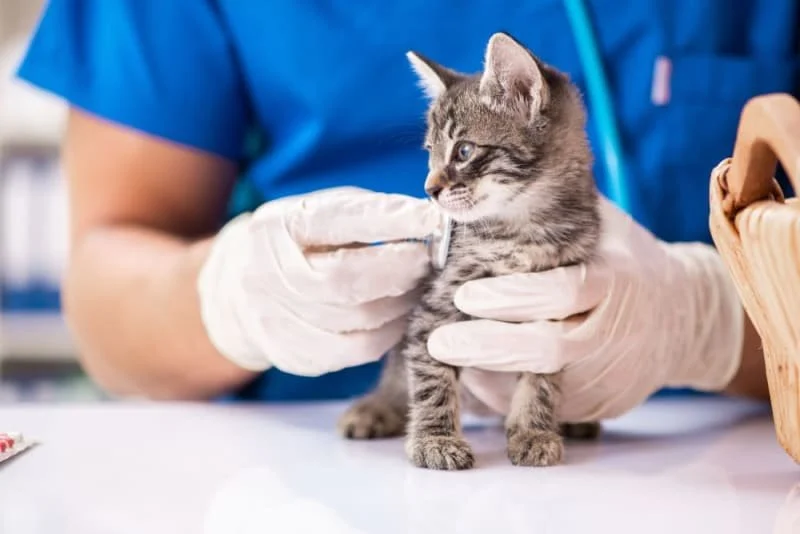
Understanding the Importance of Emergency Care for Kittens
As a kitten owner, it’s important to know how to respond quickly and effectively in emergency situations. Whether it's a sudden illness, injury, or a distressing situation, having the right knowledge of how to handle these emergencies at home can make a significant difference. This article provides essential advice on how to improve your ability to handle kitten emergencies with confidence and care.

1. Recognizing Signs of Distress in Kittens
Understanding the signs that a kitten needs emergency care is crucial. Kittens are often fragile and can’t communicate their discomfort as easily as adult cats. Pay attention to the following signs that may indicate an emergency:
- Excessive vomiting or diarrhea
- Difficulty breathing or labored breathing
- Severe lethargy or unresponsiveness
- Bleeding or injuries that are not healing
Real-Life Case: Recognizing Breathing Difficulty
One pet owner in London noticed their kitten was struggling to breathe and was breathing rapidly. After recognizing the signs of respiratory distress, they immediately contacted a vet, who recommended administering some first aid measures until they could bring the kitten in for further care. This highlights the importance of early intervention in emergencies.

2. First Aid Tips for Kitten Emergencies at Home
In certain emergency situations, knowing how to provide first aid can save a kitten’s life. Here are a few first aid steps you can take in various emergencies:
2.1. Handling Cuts and Scrapes
If your kitten has a cut or scratch, the first thing you should do is clean the wound with warm water and a mild antiseptic. Apply a clean bandage to stop any bleeding and keep the wound clean until you can seek veterinary help. If the wound is deep or continues to bleed, contact a vet immediately.
2.2. Dealing with Heatstroke
Heatstroke can be a serious concern for kittens, especially in the summer. Symptoms include excessive panting, drooling, and lethargy. If you suspect heatstroke, move your kitten to a cool area and offer fresh water. You can also wet their fur with cool water, but avoid ice-cold water, as it could shock the kitten’s system. Immediate veterinary attention is essential if symptoms worsen.
3. When to Call the Emergency Vet
While you can manage many kitten emergencies at home, some situations require professional vet care. Here are examples of when to seek emergency veterinary help:
- If the kitten is unresponsive or in shock
- If it’s having seizures or abnormal behavior
- If you suspect poisoning
- If there’s severe trauma or a broken bone
Case Study: Poisoning from Household Plants
A kitten in Birmingham was poisoned after chewing on a houseplant. The owner immediately called an emergency vet, who advised on how to induce vomiting and brought the kitten in for immediate care. Thanks to quick thinking and prompt action, the kitten made a full recovery. This case highlights the importance of knowing when to seek professional help.
4. Creating a Kitten Emergency Kit
Having an emergency kit prepared can be a lifesaver in a time of need. A well-stocked kitten emergency kit should include the following:
- Bandages and gauze
- Antiseptic wipes
- Thermometer
- Eyedropper or syringe (for administering fluids)
- Kitten-safe pain relief (as recommended by a vet)
Make sure to check the kit regularly and keep it stocked with fresh supplies. Having these items on hand will enable you to act quickly if an emergency occurs.
5. Preventing Emergencies Before They Happen
The best way to deal with kitten emergencies is to prevent them. Regular check-ups with the vet, a balanced diet, and a safe environment can significantly reduce the likelihood of emergencies. Keep harmful substances out of reach, and ensure that your kitten’s living space is free of hazards.
If you're looking for quality products and expert advice to keep your kitten safe and healthy, be sure to visit RegPets for trusted recommendations tailored to your pet’s needs.




 Vale Raw Store5.0 (62 reviews)
 The Vet Pet Nurse5.0 (1 reviews)
 Clearly Aquatics Koi & Aquarium Supplies4.0 (347 reviews)
 Tower Veterinary Group, Fulford Surgery4.0 (410 reviews)
 Parklands Veterinary Group, Cookstown4.0 (17 reviews)
 Vets for Pets - Colne4.0 (496 reviews)
 UK Pet Owner’s Guide to Mental Health for Dogs
 How to Spot Signs of Arthritis in Older Pets | RegPets
 How to Choose the Right First Aid Tips for Fish in the UK
 Best Practices for Parasite Prevention in Exotic Pets
 Pet Dental Care: Why Regular Vet Visits Matter for UK Pet Owners
 Expert Vet Advice on Dental Care for Hamsters