
Mastering Dog Ear Mite Detection: Protect Your Pet’s Ear Health
- -Recognizing the Signs of Dog Ear Mites
- -Step-by-Step Guide to Performing a Dog Ear Mite Check
- -Understanding Dark Discharge and Its Implications
- -Why Head Shaking Could Indicate Ear Mites
- -Real Case Study: Spotting Early Ear Mite Infestations
- -Prevention and Hygiene Tips to Reduce Ear Mite Risk
- -Safe Treatment Options and When to Consult a Vet
- -Common Mistakes During Dog Ear Mite Checks
- -How RegPets Can Help You Maintain Your Dog’s Ear Health
Recognizing the Signs of Dog Ear Mites
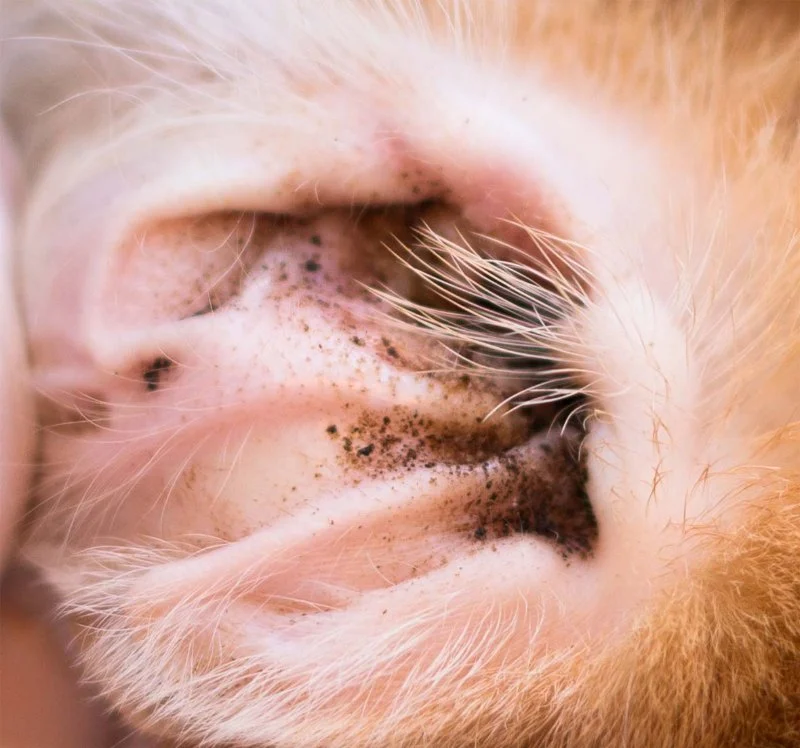
Dog ear mites are tiny parasites that can cause significant discomfort if left untreated. Recognizing the early signs is essential for maintaining your pet’s health. The most common indicators include dark brown or black ear discharge, frequent head shaking, and excessive scratching around the ears.
Mites thrive in the warm, moist environment of a dog’s ear canal, feeding on skin cells and causing inflammation. Early detection can prevent complications such as secondary bacterial infections, which are often more difficult to treat.

Step-by-Step Guide to Performing a Dog Ear Mite Check
Performing an ear mite check at home requires patience and gentle handling. Start by preparing your dog and ensuring they are calm, perhaps with a treat or gentle petting. Use a clean flashlight or otoscope to examine the ear canal carefully.
Look for signs of dark, coffee-ground-like debris, which is often indicative of mite activity. A swab may be taken if recommended by a veterinarian for microscopic confirmation. Avoid inserting objects deep into the ear canal to prevent injury.

Understanding Dark Discharge and Its Implications
Dark discharge is a hallmark of dog ear mite infestations. While it may resemble dirt or wax, its texture and consistency can indicate the presence of mites. This discharge results from a combination of mite debris, dried blood, and exfoliated skin cells.
Owners often notice that the discharge accumulates along the ear flap and around the outer canal. Persistent or excessive discharge should never be ignored, as it may signal ongoing irritation or secondary infection.
Why Head Shaking Could Indicate Ear Mites
Frequent head shaking is a common behavioral response to ear discomfort. When dogs are infested with mites, the irritation triggers repetitive motions to relieve itching or pressure. This behavior can sometimes cause hair loss around the ears or minor skin abrasions.
It’s important to observe your dog over time. Sporadic shaking might be unrelated, but consistent head shaking paired with dark discharge is a strong indicator of ear mites.
Real Case Study: Spotting Early Ear Mite Infestations
Consider the case of Bella, a small terrier mix in Texas. Her owner noticed tiny dark specks in her ears along with frequent head shaking. A quick visual inspection revealed debris consistent with ear mites. Early intervention with appropriate ear cleansing and medication prevented a severe infection.
This example illustrates the importance of routine checks and awareness of subtle signs, allowing pet owners to act before a minor infestation escalates.
Prevention and Hygiene Tips to Reduce Ear Mite Risk
Maintaining ear hygiene can significantly reduce the likelihood of mite infestations. Regularly cleaning your dog’s ears with veterinarian-approved solutions helps remove wax and debris where mites could thrive.
Avoid exposing your dog to infested animals or unsanitary conditions. Routine inspections, especially for puppies or dogs in multi-pet households, help catch issues early.
Safe Treatment Options and When to Consult a Vet
Topical treatments, prescribed ear drops, and regular cleaning are common approaches to treating ear mites. It is crucial to follow a veterinarian’s instructions for dosage and duration to ensure complete eradication.
Avoid over-the-counter products without professional guidance, as incorrect use can worsen irritation or cause damage to the ear canal. Consult your vet immediately if you notice severe redness, swelling, or foul odor.
Common Mistakes During Dog Ear Mite Checks
One of the most frequent mistakes is probing the ear too deeply or aggressively, which can injure the sensitive canal. Another is failing to check both ears; mites often infest one ear more severely, but the other may be at risk.
Relying solely on visual inspection without considering behavioral cues like scratching or head shaking can also lead to missed early signs.
How RegPets Can Help You Maintain Your Dog’s Ear Health
Platforms like RegPets provide comprehensive guidance on ear health, including step-by-step inspection tutorials, product recommendations, and preventive strategies. Leveraging such resources empowers owners to take proactive measures in maintaining their dog’s comfort and well-being.
By combining careful observation, proper hygiene, and expert guidance, dog owners can detect ear mites early, reduce discomfort, and prevent secondary infections. Regular checks are a small investment that significantly improves your pet’s quality of life. For the latest ear care solutions and professional recommendations, exploring resources at RegPets ensures your dog receives safe, effective treatment.

 Bell Brown & Bentley Veterinary Surgeons4.0 (188 reviews)
 Sunningdale Pets4.0 (15 reviews)
 Clarke's Koi and Aquatic Centre4.0 (53 reviews)
 Benjamins Boutique Specialist Pet Store4.0 (53 reviews)
 Rose and Ralph5.0 (17 reviews)
 easipetcare - Kettering4.0 (402 reviews)
 Recognizing Symptoms of Allergies in Dogs and Cats: A Complete Guide for Pet Owners
 How to Improve Puppies Spaying and Neutering at Home
 Allergy Care Tips for Exotic Pets: What UK Pet Owners Need to Know
 Vet-Approved Skin and Coat Care for Kittens
 How to Improve Kittens' Preventive Care at Home
 How to Prepare Your Pet for Their Annual Checkup in the UK