
- 1 - Keep Your Senior Pet Warm During Winter
- 2 - Protect Your Senior Pet from Summer Heat
- 3 - Regular Vet Checkups for Seasonal Changes
- 4 - Hydration is Key: Winter and Summer Tips
- 5 - Adjust Your Senior Pet’s Diet for Seasonal Changes
- 6 - Exercise Safely with Your Senior Pet During Different Seasons
- 7 - Flea and Tick Prevention for Your Senior Pet
- 8 - Grooming Tips for Senior Pets Throughout the Year
- 9 - Seasonal Allergies and Their Impact on Senior Pets
- 10 - Creating a Comfortable Space for Your Senior Pet in Every Season
1 - Keep Your Senior Pet Warm During Winter
As the temperatures drop, senior pets are more susceptible to the cold due to their age and weakened immune systems. It’s important to provide extra warmth and comfort for them during winter. Ensure that your pet has a cozy bed away from drafts and cold floors. You can also use pet-safe heating pads and coats to help keep them warm during walks.

Phoenix Pet Shop and Supplies
48 Market St, Milnsbridge, Huddersfield HD3 4HY, UK
2 - Protect Your Senior Pet from Summer Heat
Summer can be particularly tough on older pets, especially those with thick fur or respiratory issues. Make sure your pet has access to plenty of fresh water and shaded areas when outside. Avoid long walks during the hottest parts of the day and keep your pet inside during extreme heat waves. Consider investing in cooling mats or vests to keep them comfortable.
3 - Regular Vet Checkups for Seasonal Changes
Regular vet visits are crucial for monitoring your senior pet’s health throughout the year, especially during seasonal transitions. A vet can help adjust any treatments or medications to accommodate changes in weather and activity levels. Keep an eye on any seasonal ailments like joint stiffness in winter or heat exhaustion in summer.
4 - Hydration is Key: Winter and Summer Tips
Both summer and winter require extra attention to your pet’s hydration needs. In the summer heat, dehydration is a common concern, especially for senior pets. Make sure your pet has access to water at all times and offer water frequently during walks. In winter, pets may not feel thirsty even though they still need fluids, so ensure they drink regularly to prevent kidney problems or urinary tract infections.
5 - Adjust Your Senior Pet’s Diet for Seasonal Changes
Seasonal changes may affect your senior pet’s appetite and energy levels. In colder months, they may require more calories to maintain body temperature, so consider adjusting their food portions. During the summer, they may be less active and need fewer calories. Talk to your vet about the best food options for your senior pet’s health during each season.
6 - Exercise Safely with Your Senior Pet During Different Seasons
Exercise is important for senior pets to maintain a healthy weight and strong muscles, but you must adjust the intensity based on the season. In winter, shorten walks and keep the activity low-impact to avoid joint strain. In the summer, early morning or evening walks are ideal to avoid heatstroke. Always monitor your pet for signs of exhaustion or discomfort.
7 - Flea and Tick Prevention for Your Senior Pet
Flea and tick infestations can occur year-round, but they’re more common in warmer months. Senior pets are more vulnerable to flea-borne diseases, so make sure they’re protected with appropriate treatments. In colder months, check for ticks after outdoor activities, as they can still be active in the winter. Regular grooming and preventive care are key to keeping your pet safe.
8 - Grooming Tips for Senior Pets Throughout the Year
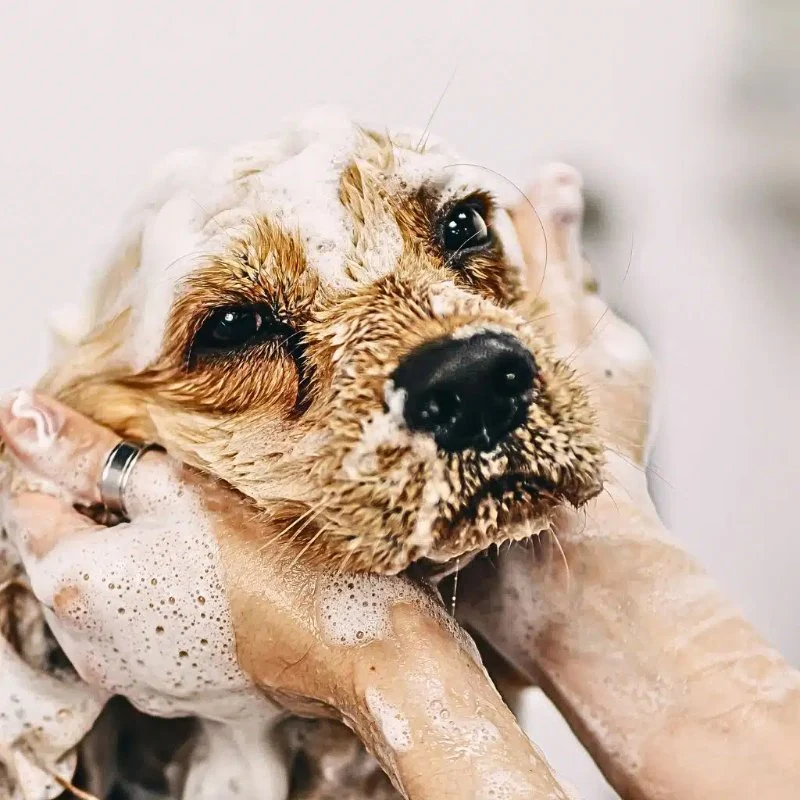
Grooming is essential for your senior pet’s health year-round. Regular grooming helps remove dead fur and reduces the risk of skin infections, especially during seasonal coat changes. Senior pets may also have more sensitive skin, so be gentle with brushes. In the winter, make sure to dry your pet thoroughly after walks to avoid moisture causing skin issues.
9 - Seasonal Allergies and Their Impact on Senior Pets
Just like humans, pets can suffer from seasonal allergies. Pollens, mold, and dust mites are more prevalent in spring and fall, and senior pets are often more susceptible to respiratory issues or skin irritation. Watch for signs of sneezing, coughing, or itchy skin and consult your vet for appropriate treatments to keep your pet comfortable.
10 - Creating a Comfortable Space for Your Senior Pet in Every Season
Creating a comfortable environment for your senior pet is essential throughout the year. In the winter, ensure they have a warm and cozy bed in a quiet spot away from cold drafts. In summer, a well-ventilated area with plenty of shade and a cooling mat can keep them cool. Always make sure that they have a safe, quiet place to relax, no matter the season.


 Palmer & Duncan Veterinary Surgeons4.0 (198 reviews)
 Natural treats for wiggle butts5.0 (2 reviews)
 Swift Referrals4.0 (317 reviews)
 Bentley Road Vets4.0 (284 reviews)
 Pawprints Cattery5.0 (35 reviews)
 Vets4Pets - Cleveleys4.0 (612 reviews)
 What to Expect During Your Pet’s First Vet Visit: A Complete Guide
 Recognizing Symptoms of Allergies in Dogs and Cats: A Guide for UK Pet Owners
 Top 10 Signs Your Pet Needs to See a Vet Immediately | Expert Pet Care Advice
 How Often Should You Take Your Pet for a Health Checkup? | UK Pet Care Guide
 What to Expect During Your Pet’s First Vet Visit in the UK
 Vet-Approved Nutrition Tips for Rabbits: Ensure Your Bunny’s Health