
How to Improve Fish Mental Health at Home
- 1- Understanding Fish Mental Health
- 2- Creating a Healthy Environment for Your Fish
- 3- Providing a Balanced Diet
- 4- The Importance of Socialization and Tank Mates
- 5- Managing Stress in Fish
- 6- Regular Monitoring and Care
- 7- Where to Get the Best Products for Fish Health
1- Understanding Fish Mental Health
Just like humans, fish have their own mental and physical well-being that needs attention. Fish are often kept as pets in aquariums, and it’s easy to forget that they can suffer from stress, anxiety, and other mental health issues. In fact, the mental health of fish can significantly affect their overall health, which in turn impacts their longevity and behaviour. Understanding how to improve their mental health at home is essential for their well-being.
2- Creating a Healthy Environment for Your Fish
A key element of fish mental health is the environment they live in. An appropriate tank setup not only ensures physical health but can also help reduce stress, providing your fish with a peaceful environment. Here are some important considerations:

2.1- Proper Tank Size
The size of the tank plays a crucial role in your fish’s mental health. Overcrowding can lead to aggression, competition for food, and stress. Ensure the tank is large enough for the species you own, with sufficient space for them to swim and explore.

2.2- Filtration and Water Quality
Clean, well-filtered water is essential. Poor water quality can make fish feel uncomfortable and stressed. Regular water changes and a reliable filtration system can prevent toxic build-ups and provide a comfortable living environment for your fish.
2.3- Adding Decorations
Decorations such as rocks, plants, and caves provide hiding spots and stimulation, which help reduce stress. Fish like to have spaces where they can retreat and feel safe, especially when they need a break from the open space in the tank.
3- Providing a Balanced Diet
Diet is another important factor affecting fish health. A poor or unbalanced diet can lead to health issues, including mental health problems. Providing a varied diet tailored to the specific needs of your fish will help them thrive. Here are a few tips:
3.1- Variety in Their Diet
Different types of fish require different foods. Offer a range of foods such as flakes, pellets, frozen or live foods, and algae wafers to ensure they receive the necessary nutrients. A balanced diet promotes physical and mental health, preventing malnutrition-related issues.
3.2- Feeding Schedule
Fish benefit from a regular feeding schedule. Overfeeding can lead to water pollution, while irregular feeding times can cause stress. Ensure you feed them in the same time frame each day and only give them the amount of food they can consume in a few minutes.
5- Managing Stress in Fish
Fish, like all animals, are susceptible to stress. Chronic stress can weaken their immune system and lead to poor health. Here’s how you can help reduce stress:
5.1- Maintain Stable Water Conditions
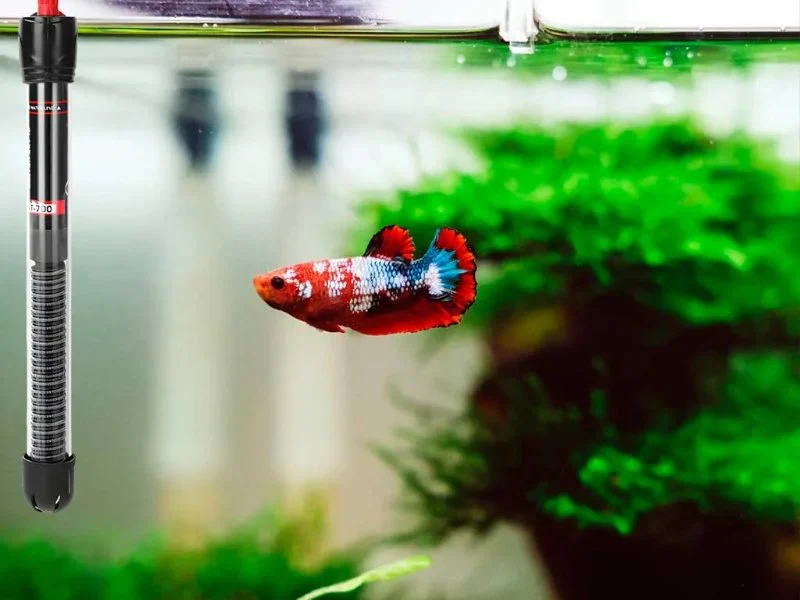
Rapid changes in water temperature, pH levels, or salinity can stress fish out. Use heaters and water conditioners to maintain stable and optimal water conditions for your fish species.
5.2- Avoid Overcrowding
As mentioned earlier, overcrowding leads to stress and aggression. Keep the number of fish appropriate to the size of the tank, allowing them ample space to swim freely.
5.3- Minimizing Loud Noises and Vibrations
Fish are sensitive to vibrations and loud noises, which can cause anxiety. Keep their tank in a quiet area, away from high-traffic zones or noisy appliances, to ensure a calm environment.
6- Regular Monitoring and Care
Regularly monitor your fish’s behaviour and health to catch any signs of stress or illness early. Look for signs such as unusual swimming patterns, loss of appetite, or changes in colour. Early intervention can help improve their mental and physical health.
6.1- Observation
Take time each day to observe your fish, ensuring they are swimming comfortably and interacting in a normal way. Any unusual behaviour could be a sign of stress, so it’s important to stay vigilant.
6.2- Health Checks
Keep an eye on your fish’s physical health as well. Regularly check for signs of injury or disease, and quarantine sick fish if necessary to prevent the spread of illness.
7- Where to Get the Best Products for Fish Health
To maintain your fish’s mental health, you need the right products. From high-quality fish food to water conditioners, there are a variety of products available to enhance your fish’s environment. Visit RegPets for the best selection of products tailored to your fish’s needs, ensuring they have everything they need for optimal health.





 Pets at Home Harrogate4.0 (922 reviews)
 C J Mason Veterinary Surgery4.0 (1053 reviews)
 Omega Pets ltd4.0 (31 reviews)
 JP's Pet Supplies4.0 (115 reviews)
 Barkers4.0 (11 reviews)
 Springfield Veterinary Group - Wickersley4.0 (42 reviews)
 Emergency Vet Advice for Dogs in the UK – Essential for Pet Health
 The Importance of Microchipping Your Pet in the UK: What Every Owner Must Know
 Top 10 Signs Your Pet Needs to See a Vet Immediately – RegPets
 Pet Dental Care: Why Regular Vet Visits Matter in the UK
 How Often Should You Take Your Pet for a Health Checkup? | UK Pet Care Guide
 UK Pet Owner’s Guide to Spaying and Neutering for Fish – Expert Advice
4- The Importance of Socialization and Tank Mates
Social interaction is important for many species of fish. Just as in the wild, fish can be social creatures and benefit from the companionship of other fish. However, choosing the right tank mates is vital:
4.1- Choosing Compatible Tank Mates
Some fish species are naturally social and prefer being in groups, such as schooling fish. Others, like territorial fish, may not do well with tank mates and may feel stressed. It’s important to research the specific social needs of your fish before adding new tank mates.
4.2- Avoiding Aggression
Fish that are aggressive or territorial can negatively impact the mental health of other fish in the tank. Make sure that the species you keep together are compatible and have enough space to avoid conflict.