
- pet-dental-care-importance
- impact-of-poor-dental-health
- role-of-regular-vet-visits
- real-life-case-study-pet-dental-issues
- how-to-maintain-your-pets-dental-health
- choosing-right-products-and-services
1. Why Pet Dental Care Is More Than Just Fresh Breath
Pet dental care is not just about avoiding bad breath. For pet owners across the UK, understanding the importance of oral hygiene for cats and dogs is critical to ensuring their long-term well-being. Dental issues in pets can lead to severe health complications if left untreated, making preventative care essential.
When we think about pet care, we often focus on grooming, feeding, or exercise routines. But just like humans, pets can suffer from tartar build-up, gum disease, and tooth decay. Regular dental care can dramatically reduce these risks and contribute to your pet's overall health and happiness.

Park Hall Veterinary Clinic
Mansfield WoodhouseNottinghamshireEngland
Park Hall Stables, Park Hall Road, Mansfield Woodhouse, Mansfield NG19 8QX, UK
2. The Silent Threat: What Poor Dental Health Does to Your Pet
Poor dental hygiene can lead to more than just discomfort or foul-smelling breath. In fact, veterinary professionals in the UK report that over 80% of dogs over the age of three show signs of dental disease. The implications go far beyond the mouth.

Cross Counties Farm Vets - Welford
WelfordWest NorthamptonshireEngland
The Loft, Elkington Lodge, Elkington Rd, Welford, Northampton NN6 6HE, UK
2.1 Periodontal Disease and Systemic Illness
Bacteria from the gums can enter your pet's bloodstream, potentially affecting vital organs like the heart, liver, and kidneys. Left unchecked, dental infections can become chronic, painful, and even life-threatening.
2.2 Behavioural Changes Due to Oral Pain
If your normally friendly pet becomes withdrawn, stops eating dry food, or paws at their face, these could be signs of dental discomfort. These behavioural shifts are often misunderstood or overlooked but could signal serious oral pain.
3. Why Regular Vet Visits Matter in Pet Dental Care
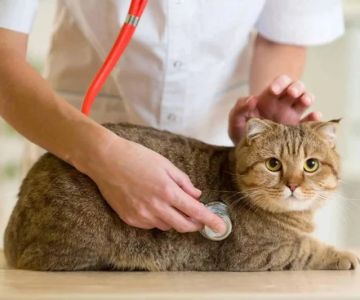
Routine veterinary visits are a cornerstone of pet dental care. While at-home brushing and dental treats help, only professional examinations and cleanings can detect and treat deeper dental issues.
3.1 What Vets Check During Dental Exams
Veterinarians use specialised tools to look for:
- Tartar and plaque build-up
- Loose or cracked teeth
- Gum inflammation or recession
- Signs of infection or oral tumours
3.2 Preventative Care vs Emergency Treatment
Preventative dental exams help catch issues before they escalate into costly procedures like extractions or treatment under anaesthesia. Early detection often means simpler solutions, fewer complications, and lower costs.
4. Real Story: A Dog Named Max and a Hidden Infection
Max, a 6-year-old Golden Retriever from Manchester, seemed perfectly healthy until he started refusing his favourite biscuits. His owner thought it was just a change in taste. But a visit to the vet revealed a painful abscess beneath one of his molars.
The vet explained that without timely intervention, Max’s infection could have spread to his jawbone or bloodstream. Thanks to early dental X-rays and a minor procedure, Max is now pain-free — and back to munching on his beloved treats.
This is a classic example of why regular vet visits matter in pet dental care. Without that routine check-up, Max’s story could have ended very differently.
5. Practical Tips: Maintaining Your Pet’s Oral Hygiene at Home
While professional cleanings are crucial, maintaining your pet’s dental health starts at home. UK vets recommend combining multiple methods for best results.
5.1 Brushing Your Pet’s Teeth
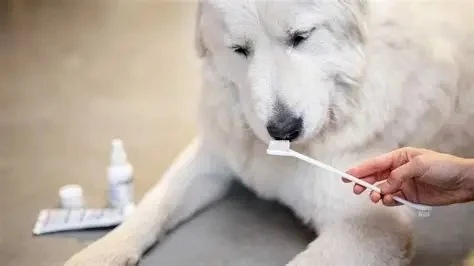
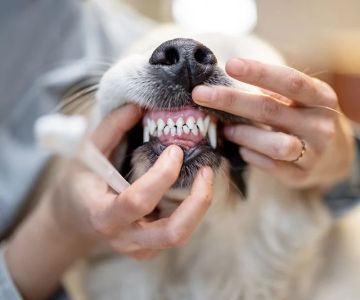
Daily brushing with pet-safe toothpaste helps reduce plaque and keeps the mouth clean. Start slow — reward your pet and make it a bonding activity. Never use human toothpaste as it can be toxic to animals.
5.2 Dental Chews and Special Diets
High-quality dental chews, available at reputable pet stores like RegPets, can assist in reducing tartar. There are also vet-recommended dry food formulations specifically designed for dental health.
5.3 Monitoring for Signs of Trouble
Keep an eye out for:
- Bleeding gums
- Unusual drooling
- Loose or missing teeth
- Reluctance to eat hard food
Catching these signs early can lead to quicker treatment and better outcomes.
6. Choosing the Right Products and Services for Pet Dental Care
Not all dental products are created equal. Look for items approved by veterinary associations or those that have been clinically tested. Sites like RegPets offer a curated selection of trusted products for every type of pet, making it easier to shop with confidence.
6.1 Vet-Approved Tools
Look for toothbrushes with soft bristles and ergonomic handles. Dental wipes, oral sprays, and water additives are also helpful — especially for pets that resist brushing.
6.2 Professional Services in the UK
More UK clinics now offer tailored dental care plans, including reminder services for check-ups and discounted routine cleanings. This proactive approach helps keep your pet’s mouth — and body — healthier for longer.
If you’re unsure where to start, RegPets also features reviews, product comparisons, and local service listings to guide pet owners to the right solutions.




 Pets at Home Sunderland4.0 (939 reviews)
 Clearwater Aquatics4.0 (513 reviews)
 Ballygawley Veterinary Centre - Tamnamore5.0 (3 reviews)
 Pets at Home Meanwood4.0 (357 reviews)
 HG Pets - Independent Harrogate Pet Shop & Dog Groomer5.0 (105 reviews)
 PRICELESS PET SUPPLIES5.0 (3 reviews)
 Tips for Keeping Your Pet Hydrated and Healthy
 How to Spot Signs of Arthritis in Older Pets: Key Indicators and Care Tips
 UK Pet Owner’s Guide to Nutrition Tips for Dogs
 Pet Dental Care: Why Regular Vet Visits Are Essential for Your Pet’s Health
 Complete Guide to Puppy and Kitten Care for Birds – Essential Tips for Pet Owners
 Complete Guide to Mental Health for Kittens: Supporting Your Kitten's Well-Being