
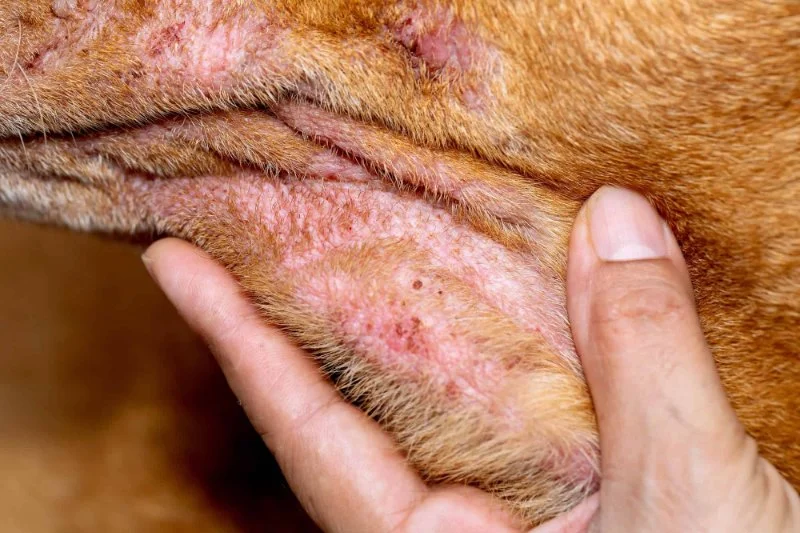
- - Signs Your Dog’s Skin Needs Attention
- - Why Dogs Develop Dry and Itchy Skin
- - Safe Home Remedies for Itchy Dog Skin
- - Nutrition and Hydration for Healthy Skin
- - Grooming Habits That Improve Skin Health
- - When to Visit a Veterinarian
- - Common Veterinary Treatments
- - Real-Life Case Study
- - Preventing Future Skin Problems
Signs Your Dog’s Skin Needs Attention
Few things are more frustrating for pet owners than watching their dog scratch nonstop. Dry, itchy skin can make even the happiest dog uncomfortable, affecting sleep, energy levels, and overall quality of life. While occasional scratching is normal, persistent itching often signals an underlying issue that deserves attention.
Dogs with skin problems may display several symptoms beyond scratching. Excessive licking of paws, rubbing against furniture, chewing on legs, visible dandruff, flaky skin, redness, hair loss, and unpleasant odors are all common warning signs. Some dogs may even become irritable due to constant discomfort.

Garden Lodge Veterinary Clinic
Ards and North DownNorthern Ireland
397 Old Holywood Rd, Holywood BT18 9QH, UK
Recognizing Early Symptoms
The earlier you identify skin problems, the easier they are to manage. Many owners mistakenly assume dry skin is simply a seasonal issue. However, ongoing irritation can lead to secondary infections, open sores, and chronic inflammation if left untreated.

Hillcrest Veterinary Surgery - Eccleston
Doctors Ln, Eccleston, Chorley PR7 5RA, UK
Common Physical Indicators
1. White flakes resembling dandruff on the coat.
2. Red or inflamed patches of skin.
3. Excessive shedding or bald spots.
4. Thickened skin in frequently scratched areas.
5. Persistent paw licking and chewing.
Understanding these signs can help owners take action before minor irritation becomes a significant health concern.
Why Dogs Develop Dry and Itchy Skin
There is no single cause of dog dry itchy skin. In fact, multiple factors can contribute simultaneously. Understanding the root cause is essential because treatment effectiveness depends on addressing the underlying issue rather than simply relieving symptoms.
Environmental Factors
Dry indoor heating during winter months can reduce humidity levels dramatically. Similar to humans experiencing dry skin during colder seasons, dogs may develop flaky, irritated skin when exposed to low humidity for extended periods.
Outdoor allergens such as pollen, grass, mold spores, and dust can also trigger itching. Some dogs experience seasonal flare-ups that correspond with specific environmental conditions.
Food Sensitivities and Allergies
Food allergies are increasingly recognized as a major contributor to itchy dog skin treatment cases. Common triggers include beef, dairy, chicken, wheat, soy, and certain artificial additives.
When a dog consumes an ingredient that triggers an allergic response, the immune system reacts by causing inflammation. This inflammation frequently manifests through skin irritation rather than digestive symptoms.
Parasites
Fleas remain one of the most common causes of severe itching. Surprisingly, a single flea bite can trigger intense allergic reactions in sensitive dogs. Mites and ticks can also contribute to irritation and inflammation.
Underlying Medical Conditions
Certain endocrine disorders, including hypothyroidism and Cushing’s disease, may negatively affect skin quality. Additionally, bacterial and fungal infections can cause intense itching and discomfort.
Safe Home Remedies for Itchy Dog Skin
Many pet owners search for home remedies for dog itchy skin before scheduling a veterinary appointment. While home care cannot replace professional treatment for serious conditions, several safe approaches can provide meaningful relief.
Oatmeal Baths
Colloidal oatmeal has been used for generations to soothe irritated skin. The natural compounds found in oatmeal help reduce inflammation while moisturizing dry areas.
How to Prepare an Oatmeal Bath
1. Grind plain oatmeal into a fine powder.
2. Add the powder to lukewarm water.
3. Allow your dog to soak for approximately 10 to 15 minutes.
4. Rinse lightly and towel dry.
Many owners report noticeable improvement after only a few treatments.
Coconut Oil Application
Coconut oil contains moisturizing properties that may help alleviate mild dryness. Applying a small amount directly to affected areas can reduce flaking and improve skin hydration.
However, moderation is important. Excessive application can create greasy buildup and may cause digestive upset if your dog licks large quantities.
Humidifiers for Indoor Comfort
During winter months, adding moisture to indoor air can significantly improve skin comfort. A humidifier benefits both pets and humans by reducing excessive dryness.
Regular Hydration
Dehydration often contributes to poor skin condition. Ensure fresh water is always available. Dogs that consume sufficient water generally maintain healthier skin and coat quality.
Nutrition and Hydration for Healthy Skin
Nutrition plays a powerful role in maintaining healthy dog skin. Even the most effective topical treatments cannot compensate for nutritional deficiencies.
The Importance of Essential Fatty Acids
Omega-3 and omega-6 fatty acids help maintain the skin's natural protective barrier. These nutrients may reduce inflammation and support coat shine.
Natural Sources of Beneficial Fatty Acids
1. Fish oil.
2. Salmon.
3. Sardines.
4. Flaxseed oil.
Before adding supplements, consult your veterinarian to determine appropriate dosage.
Protein Quality Matters
Skin and coat tissues require high-quality protein for repair and maintenance. Dogs consuming nutritionally balanced diets generally experience fewer skin-related issues.
Pet owners researching dietary products, supplements, grooming items, and nutrition solutions often find valuable recommendations through RegPets, where carefully selected products and services can support overall pet wellness goals.
Elimination Diets for Allergies
If food allergies are suspected, veterinarians often recommend elimination diets. This process involves feeding a limited ingredient diet for several weeks while monitoring symptom changes.
Although time-consuming, elimination diets remain one of the most reliable methods for identifying food-related triggers.
Grooming Habits That Improve Skin Health
Proper grooming supports healthy skin while helping owners detect abnormalities early.
Avoid Over-Bathing
One of the most common mistakes is bathing dogs too frequently. Excessive bathing can strip natural oils from the skin, worsening dryness.
Most dogs benefit from a bathing schedule tailored to their breed, activity level, and skin condition. Specialized moisturizing shampoos designed for dogs can help preserve skin health.
Choose Gentle Products
Human shampoos often contain ingredients that disrupt a dog's natural skin pH. Always select products specifically formulated for canine use.
Routine Brushing
Regular brushing distributes natural oils throughout the coat. It also removes debris, dead hair, and loose skin flakes.
Additional Benefits of Brushing
1. Improved circulation.
2. Reduced matting.
3. Earlier detection of skin problems.
4. Enhanced bonding between owner and pet.
When to Visit a Veterinarian
While mild cases may respond to home management, certain symptoms require immediate professional evaluation.
Warning Signs That Should Not Be Ignored
Persistent itching lasting more than two weeks, bleeding skin, foul odors, widespread hair loss, recurring ear infections, and visible sores all warrant veterinary attention.
Dogs experiencing severe discomfort may scratch aggressively enough to damage their skin barrier, creating opportunities for bacterial infection.
The Cost of Delaying Treatment
Many owners attempt months of trial-and-error home remedies before seeking help. Unfortunately, delayed diagnosis often leads to more extensive treatment requirements and greater discomfort for the dog.
Early intervention frequently results in faster recovery and lower overall veterinary costs.
Common Veterinary Treatments
Veterinarians have access to advanced diagnostic tools and treatment options unavailable through over-the-counter products.
Diagnostic Testing
Depending on symptoms, your veterinarian may recommend:
1. Skin scrapings.
2. Allergy testing.
3. Blood work.
4. Fungal cultures.
5. Dietary trials.
Prescription Medications
Several medications can effectively address itching and inflammation. These may include antihistamines, prescription anti-itch therapies, medicated shampoos, antibiotics, or antifungal medications.
Treatment plans vary considerably based on the underlying cause.
Long-Term Allergy Management
Dogs diagnosed with environmental allergies often require ongoing management. This may involve allergen avoidance strategies, immunotherapy, dietary adjustments, and periodic veterinary monitoring.
The goal is not simply to stop scratching temporarily but to create sustainable long-term skin health.
Real-Life Case Study
A Golden Retriever named Max provides an excellent example of how persistent skin problems can be successfully addressed. Max's owner initially noticed mild scratching during spring. Assuming seasonal dryness was responsible, she purchased several shampoos and home remedies.
Over the following months, the scratching intensified. Bald spots developed behind the ears, and recurrent ear infections emerged. Eventually, veterinary testing revealed environmental allergies combined with a mild food sensitivity.
After implementing a comprehensive plan that included dietary changes, allergy management, omega-3 supplementation, and regular skin monitoring, Max's symptoms improved dramatically. Within several months, his coat regained its shine, and chronic itching became rare.
This case highlights an important lesson: successful treatment often requires identifying multiple contributing factors rather than focusing on a single suspected cause.
Preventing Future Skin Problems
Preventive care remains one of the most effective strategies for maintaining healthy dog skin throughout life.
Maintain Consistent Parasite Protection
Year-round flea and tick prevention significantly reduces the risk of parasite-related skin irritation. Even indoor dogs can occasionally encounter fleas through indirect exposure.
Monitor Seasonal Changes
Keep track of symptom patterns throughout the year. If itching consistently appears during specific seasons, environmental allergens may be involved.
Schedule Routine Wellness Exams
Regular veterinary visits help identify emerging health concerns before they become serious. Skin changes often provide early clues about broader health issues.
Create a Long-Term Skin Health Plan
The most successful pet owners view skin care as an ongoing process rather than a one-time treatment. Combining proper nutrition, routine grooming, parasite prevention, hydration, environmental management, and professional veterinary support creates a strong foundation for lifelong comfort.
Whether your dog experiences occasional dryness or chronic allergies, a proactive approach can make a remarkable difference. By understanding the causes of dry skin in dogs, using appropriate home remedies for dog itchy skin, and seeking veterinary care when necessary, you can help your companion enjoy healthier skin, a shinier coat, and a happier life. For owners seeking trusted product recommendations, services, and pet-care resources, RegPets can be a valuable destination for finding solutions tailored to your dog's individual needs.




 The Doghouse Kendal5.0 (19 reviews)
 Croft Veterinary Centres - Bolsover4.0 (225 reviews)
 Ark Veterinary Surgery4.0 (209 reviews)
 Valley View Cats5.0 (7 reviews)
 Westway Veterinary Group, Houghton4.0 (121 reviews)
 Barry Reptile and Pet store4.0 (92 reviews)
 Complete Guide to Nutrition Tips for Hamsters: What Your Pet Needs to Stay Healthy
 UK Pet Owner’s Guide to Puppy and Kitten Care for Birds
 Vaccination Guide Tips for Kittens: UK Pet Owners Must Know
 Nutrition Tips for Rabbits: What UK Pet Owners Need to Know
 What to Expect During Your Pet’s First Vet Visit in the UK – Full Guide for New Owners
 How to Spot Signs of Arthritis in Older Pets in the UK