
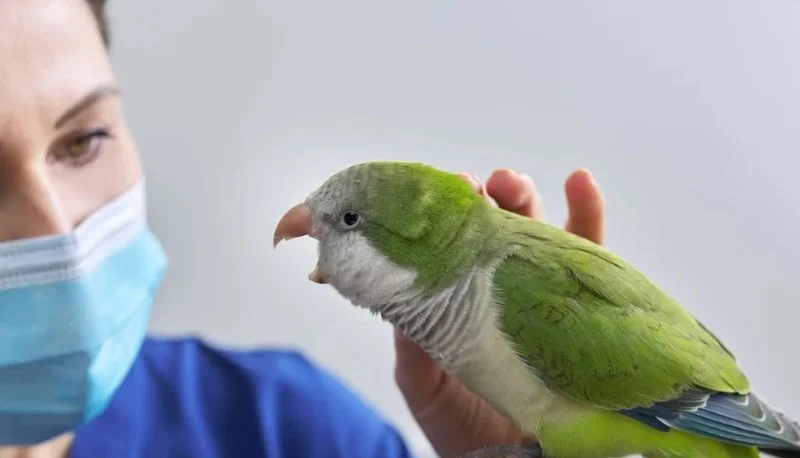
1. Understanding Seasonal Health Issues for Birds
Just like humans, birds experience changes in their health depending on the season. Temperature fluctuations, varying humidity, and changes in light can all impact your pet bird’s wellbeing. Understanding these seasonal shifts and how they affect your bird’s health is the first step toward providing them with the best care year-round.

2. Spring and Summer Bird Care Tips
During the warmer months, birds are more active, and it’s important to ensure they stay hydrated and comfortable. Here are some spring and summer tips:
- Hydration: Ensure your bird has constant access to fresh, clean water, especially during the hotter months. Birds are prone to dehydration, which can lead to serious health problems.
- Cool Environments: Birds can easily overheat in hot weather. Place their cage in a cool, well-ventilated area, away from direct sunlight or heat sources.
- Feeding: Offer fresh fruits and vegetables like berries, leafy greens, and melons, which help keep your bird hydrated and provide essential vitamins during the warmer months.
3. Autumn and Winter Bird Care Tips
As temperatures drop, birds may require extra care to maintain their health. Here are some autumn and winter care tips to keep your bird safe:
- Maintain Warmth: Birds are sensitive to cold, so ensure their living environment is warm enough. A consistent room temperature between 65-75°F (18-24°C) is ideal for most species.
- Humidity Control: In the winter, indoor heating systems can dry out the air, which can cause respiratory issues for birds. Consider using a humidifier or placing a shallow dish of water near the cage to maintain the right humidity levels.
- Diet Adjustments: Offer a more calorie-dense diet in colder months to help your bird maintain its energy. High-fat seeds or nuts, in moderation, can be a good option.
4. Common Health Concerns and How to Prevent Them
Different seasons can bring about specific health concerns for your bird. Here are some common issues and how to prevent them:
- Respiratory Infections: Birds are susceptible to respiratory issues, especially in winter when indoor air can become dry. Keep your bird’s environment free from dust, smoke, and drafts to reduce the risk.
- Feather Plucking: Seasonal changes, stress, or boredom can cause some birds to pluck their feathers. Make sure your bird has plenty of stimulation, toys, and social interaction throughout the year.
- Obesity: Inactivity during colder months can lead to weight gain. Monitor your bird’s diet and encourage exercise with fun activities and toys that promote physical movement.
5. Consulting Your Vet for Seasonal Care
It's essential to consult your vet regularly, especially during the changing seasons. They can offer guidance on diet, behavioral changes, and any necessary vaccinations or treatments to help your bird thrive year-round. Regular check-ups ensure that any health issues are detected early, allowing for prompt treatment and ensuring your bird stays happy and healthy.




 The Deli Dog box Company4.0 (2 reviews)
 The Blue Whippet4.0 (74 reviews)
 Vets4Pets York4.0 (564 reviews)
 Jollyes - The Pet People Belfast Boucher Road4.0 (85 reviews)
 Minster Veterinary Centre4.0 (65 reviews)
 South Wales Equine Vets - Cardiff4.0 (56 reviews)
 Complete Guide to Mental Health for Senior Pets
 Vet-Approved Exercise and Fitness for Senior Pets
 The Importance of Nutrition Tips for Guinea Pigs – UK Edition
 Expert Vet Advice on Skin and Coat Care for Kittens | RegPets
 Vet-Approved Behaviour Training for Birds
 Top 10 Weight Management Tips Every Guinea Pig Owner in the UK Should Know