
 1. Reptile Adoption in the UK: A Responsible Choice for Pet Owners
- Why Adopt a Reptile?
- Choosing the Right Reptile for Your Home
- The Reptile Adoption Process in the UK
- Essential Care Tips for Adopted Reptiles
Adopting a reptile can be a rewarding experience for pet owners in the UK. With their unique care needs and fascinating behaviours, reptiles offer a different kind of companionship compared to traditional pets. However, adopting a reptile is a responsibility that requires careful thought and planning. This guide will take you through everything you need to know about reptile adoption in the UK, from understanding why it’s a great choice to the essential care tips for your new pet.
2. Why Adopt a Reptile?Adopting a reptile can be a highly fulfilling experience, but it’s important to understand why you should consider adding one to your family. Here are some of the key benefits of adopting a reptile as a pet:
- Unique Companionship: Reptiles are fascinating creatures, each with their own behaviours, feeding habits, and personalities. They can offer a unique form of companionship, often requiring less attention than more traditional pets like cats or dogs.
- Low Maintenance: Reptiles generally require less daily attention and exercise than mammals. They are ideal for busy individuals or those with limited space.
- Educational Value: Owning a reptile can be an educational experience, especially for children. They offer a great way to learn about biology, habitats, and animal behaviour in a hands-on way.
- Environmental Benefits: Many reptiles, including snakes and lizards, help control pests, providing a natural way to manage the environment in your home.
When considering adoption, it’s essential to remember that reptiles are long-lived and have specific environmental and dietary needs. Their care is not “low-effort,” but they do offer a distinct and rewarding experience for the right pet owner.
3. Choosing the Right Reptile for Your HomeChoosing the right reptile is crucial to ensuring both you and your new pet thrive. Each species has different needs in terms of habitat, diet, and care. Here’s how to select the best reptile for your home:
- Consider the Space You Have: Some reptiles, like turtles and certain species of lizards, require large enclosures and outdoor space to roam. Others, like geckos or small snakes, can thrive in smaller environments. Make sure you have the right space for your new pet.
- Understand Their Lifespan: Reptiles can live for a long time. For example, turtles can live for decades, and some species of snakes can live for up to 30 years. Consider the long-term commitment when adopting a reptile.
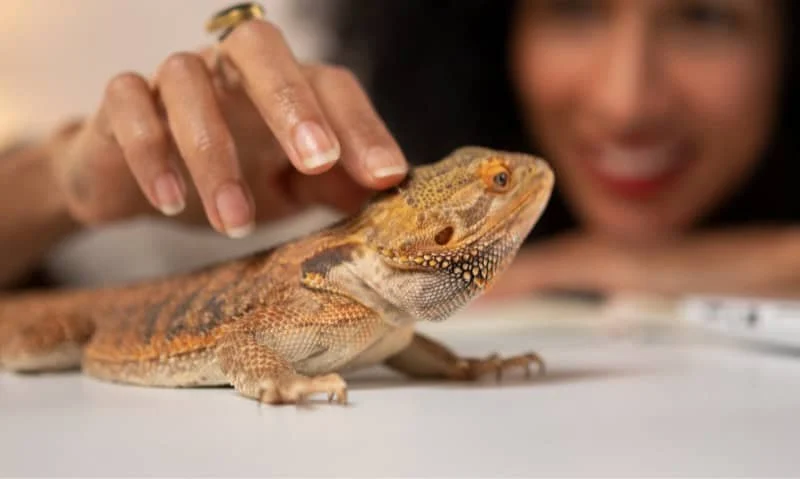
- Check the Reptile’s Temperament: Some reptiles, like bearded dragons, are more interactive and enjoy human interaction. Others, like chameleons, are more solitary and do not thrive on handling. Choose a reptile that fits your personal lifestyle and interaction preferences.
- Health and Environment Requirements: Different reptiles have varying temperature, humidity, and light needs. Make sure you can provide the right environment for the specific species you are interested in adopting.
Research each species thoroughly before making a decision. Consider reaching out to reputable breeders or rescue centres to ensure you're adopting from a responsible source.
4. The Reptile Adoption Process in the UKAdopting a reptile in the UK involves several steps to ensure both you and your new pet are prepared for a successful transition. Here’s an overview of the adoption process:
- Research Reputable Reptile Rescues or Breeders: Look for reputable reptile rescues or breeders in the UK. Ensure they follow ethical breeding and rescue practices. Organisations like the RSPCA or specialist reptile rescue centres are great places to start.
- Initial Consultation: Many rescues or breeders will require a consultation before adoption. This may involve a discussion about your experience with reptiles, your home environment, and your readiness to care for a reptile.
- Adoption Fee and Paperwork: Be prepared to pay an adoption fee to cover the costs of the rescue or the care of the reptile. Some centres may also require paperwork to ensure that the adoption will be in the best interest of the pet.
- Preparing Your Home: Before bringing your reptile home, make sure you have the appropriate enclosure, heating lamps, substrate, and food. This ensures your pet will settle in comfortably and safely.
By following these steps, you will ensure that your adoption process is smooth and that you are fully prepared to care for your new reptile.
5. Essential Care Tips for Adopted ReptilesOnce you’ve adopted your reptile, it’s important to provide consistent and correct care to ensure they thrive. Here are essential tips for caring for your newly adopted reptile:
- Provide a Suitable Habitat: Depending on the species, your reptile will need specific environmental conditions. Research the temperature, humidity, and lighting requirements for your pet. Many reptiles require UVB lighting to help them metabolise calcium properly.
- Proper Diet: Reptiles have very specific dietary needs. Some are carnivores, while others are herbivores or omnivores. Ensure you’re feeding your pet the appropriate diet based on their species.
- Regular Veterinary Care: Regular check-ups with a reptile-savvy vet are essential to ensure your pet’s health. Be on the lookout for signs of illness, such as lack of appetite, lethargy, or skin shedding issues.
- Handling and Interaction: Some reptiles enjoy human interaction, while others prefer minimal handling. Respect their needs and limits, and always handle them with care to avoid stress or injury.
Proper care will help your reptile adjust to its new home and live a long, healthy life as a beloved family member.





 The Deli Dog box Company4.0 (2 reviews)
 The Blue Whippet4.0 (74 reviews)
 Vets4Pets York4.0 (564 reviews)
 Jollyes - The Pet People Belfast Boucher Road4.0 (85 reviews)
 Minster Veterinary Centre4.0 (65 reviews)
 South Wales Equine Vets - Cardiff4.0 (56 reviews)
 Complete Guide to Mental Health for Senior Pets
 Vet-Approved Exercise and Fitness for Senior Pets
 The Importance of Nutrition Tips for Guinea Pigs – UK Edition
 Expert Vet Advice on Skin and Coat Care for Kittens | RegPets
 Vet-Approved Behaviour Training for Birds
 Top 10 Weight Management Tips Every Guinea Pig Owner in the UK Should Know