

- why-regular-health-checks-matter
- recommended-checkup-frequency-by-life-stage
- what-happens-during-a-pet-health-check
- real-case-a-cat-saved-by-a-routine-checkup
- keeping-track-of-vaccines-and-parasite-control
- how-regpets-supports-health-maintenance
1. Why Regular Health Checks Matter
For UK pet owners, understanding how often to take pets for a health checkup is vital to their long-term wellbeing. Regular veterinary visits help detect early signs of illness, track development, and reinforce preventative care. According to the British Veterinary Association, pets that receive annual checkups are more likely to live longer, healthier lives. Catching conditions early—such as kidney issues, dental problems, or heart murmurs—can prevent extensive treatments later. Just like humans, our pets benefit greatly from consistent medical oversight.

Aquapaws Canine Hydrotherapy & Fun Swim
4a, 424 Carlton Rd, Carlton, Barnsley S71 3HX, UK
2. Recommended Checkup Frequency by Life Stage
How often your pet should visit the vet depends largely on their age and health status:
Puppies and Kittens: Young pets should visit the vet every 3–4 weeks until they’re around 16 weeks old. These visits typically include vaccinations, microchipping, and parasite prevention.
Adult Pets (1–7 years): Once a year is generally sufficient if they are healthy. These visits often include a physical exam, vaccine updates, and lifestyle consultations.
Senior Pets (7+ years): Older pets should ideally see the vet every six months. As pets age, they become more prone to chronic conditions like arthritis, diabetes, and thyroid disease, which are best managed when detected early.
Veterinary guidelines may vary, but these timeframes provide a solid foundation for building a consistent health routine.

South View Cattery
Kirk HammertonNorth YorkshireEngland
1 South View, Kirk Hammerton, York YO26 8DT, UK
3. What Happens During a Pet Health Check?
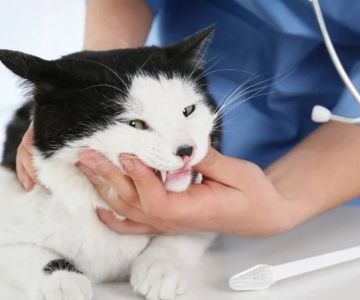
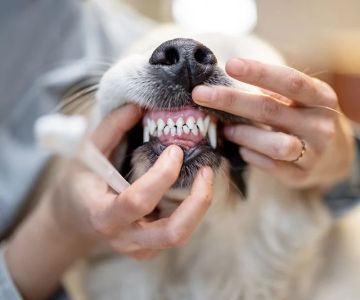
A typical checkup involves a head-to-tail physical exam, weight tracking, listening to the heart and lungs, checking eyes and ears, examining teeth, and discussing any behavioural changes. Depending on age or breed, your vet may recommend additional tests such as blood work or urine analysis. These visits are also the best time to ask questions about diet, exercise, and preventive care. Pet owners who keep up with these checkups often find that minor issues are addressed before they escalate.
4. Real Case: A Cat Saved by a Routine Checkup
Consider the story of Oliver, a domestic shorthair from Sheffield. His owner noticed no changes in behaviour, but during a routine exam, the vet detected a subtle heart murmur. Further tests confirmed early-stage cardiomyopathy. With medication and lifestyle adjustments, Oliver's condition was managed effectively. This case highlights why even “healthy-looking” pets benefit from regular assessments—some issues can only be detected through clinical tools or trained observation.
5. Keeping Track of Vaccines and Parasite Control
Routine checkups help keep your pet’s vaccines up to date—crucial for preventing diseases like parvovirus, leptospirosis, and feline flu. They're also the perfect moment to assess ongoing flea, tick, and worm treatments. Many owners in the UK fall behind on these schedules due to busy lifestyles, but missing just one preventive dose can lead to serious health risks. Regular visits act as natural reminders to stay on track with essential treatments.
6. How RegPets Supports Health Maintenance
At RegPets, we understand how important it is to stay consistent with pet healthcare. Our curated collection includes everything from dental chews and flea preventatives to joint supplements and nutrition tailored by life stage. Whether you're managing a senior dog’s mobility or a kitten’s immunity, RegPets helps UK pet owners take action between vet visits with products designed to complement professional care.




 Pets at Home Doncaster Thorne Rd4.0 (766 reviews)
 Natural World Pets0.0 (0 reviews)
 Tyne Veterinary Clinic4.0 (255 reviews)
 Westway Veterinary Group, Wideopen5.0 (39 reviews)
 Purrfect Cattery4.0 (32 reviews)
 Westway Veterinary Hospital4.0 (405 reviews)
 What Every UK Pet Owner Should Know About Parasite Control
 Flea and Tick Prevention for Pets in the UK
 How to Spot Signs of Arthritis in Older Pets – UK Pet Owner’s Guide
 Dealing with Anxiety and Stress in Pets: Vet Advice for UK Pet Owners
 How to Spot Signs of Arthritis in Older Pets | Early Detection and Management
 Complete Guide to Puppy and Kitten Care for Birds – Essential Tips for Pet Owners