
- Why Nutrition is Crucial for Guinea Pigs
- What Should You Feed Your Guinea Pig?
- The Role of Vitamins and Minerals in Your Guinea Pig’s Diet
- Common Mistakes in Feeding Guinea Pigs
- Additional Guinea Pig Care Tips for UK Owners
1. Why Nutrition is Crucial for Guinea Pigs
Guinea pigs are small, herbivorous animals that require a carefully balanced diet to stay healthy and thrive. As prey animals, they have sensitive digestive systems, and feeding them the wrong food can lead to severe health issues. Proper nutrition is essential not only for their physical health but also for their mental well-being. A balanced diet can help your guinea pig maintain a healthy weight, avoid obesity, and have a shiny coat and strong bones.
In the UK, where guinea pigs are a popular choice for pets, it’s important to follow the right feeding guidelines to ensure they live long, happy lives. Inadequate nutrition can lead to problems such as scurvy (a vitamin C deficiency), digestive problems, and even early death. As a pet owner, it’s vital to understand the specific nutritional needs of guinea pigs and to provide them with the right types of food.

2. What Should You Feed Your Guinea Pig?
Guinea pigs have specific dietary needs, and it's crucial to provide a variety of foods to meet these needs. The basics of a guinea pig’s diet include:

1. Hay
Hay should make up the majority of your guinea pig's diet. It is essential for their digestive health and helps wear down their continuously growing teeth. Timothy hay, meadow hay, or orchard grass are excellent choices. Be sure to provide unlimited access to fresh hay at all times.
2. Fresh Vegetables
Fresh vegetables are a vital source of vitamins, particularly vitamin C. Guinea pigs cannot produce vitamin C themselves, so they rely on their diet for this essential nutrient. Leafy greens such as kale, parsley, and romaine lettuce are excellent choices. Avoid iceberg lettuce, which offers little nutritional value.
3. Fresh Fruits
While fruits should be given in moderation due to their sugar content, they are a great treat for guinea pigs. Suitable fruits include apples (without seeds), strawberries, and oranges. Remember, fruit should never replace vegetables or hay in their diet.
4. Pellets
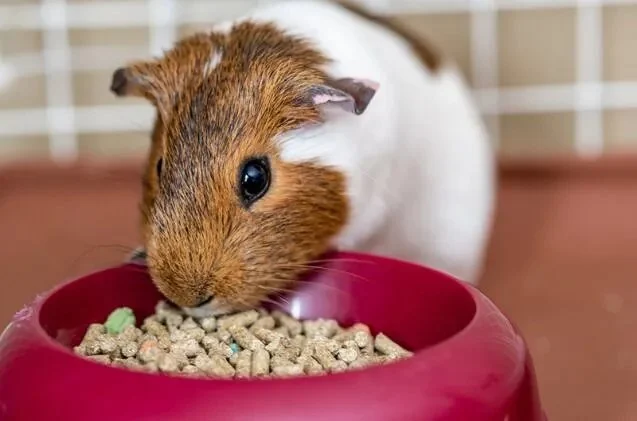
High-quality guinea pig pellets that are fortified with vitamin C can be added to their diet. These pellets should be plain (without added seeds or dried fruit) to ensure your guinea pig gets the proper nutrients. However, pellets should make up only a small part of the diet as hay and vegetables are far more important.
5. Fresh Water
Always ensure your guinea pig has access to fresh, clean water. Use a water bottle with a sipper tube to avoid contamination, and clean it daily to prevent any build-up of bacteria.
By providing a varied and balanced diet that includes these key components, you'll ensure your guinea pig remains healthy and energetic. Be sure to consult with a vet if you're unsure of any food items, as some foods may be harmful to guinea pigs.
3. The Role of Vitamins and Minerals in Your Guinea Pig’s Diet
Vitamins and minerals are crucial for maintaining your guinea pig’s overall health, and certain nutrients are essential for their wellbeing:
Vitamin C
As mentioned earlier, guinea pigs cannot produce vitamin C on their own, so they rely on their diet to meet this need. Vitamin C helps prevent scurvy, which can cause serious symptoms such as lethargy, joint pain, and even death if left untreated. Ensure your guinea pig receives enough vitamin C through fresh vegetables like bell peppers, kale, and citrus fruits, or consider providing a supplement if necessary.
Calcium
Calcium is essential for strong bones and teeth. However, it’s important not to overfeed calcium, as excess calcium can lead to kidney problems or urinary stones. Offer calcium-rich vegetables like kale in moderation, and ensure your guinea pig gets a balance of other nutrients.
Fiber
High-fiber food like hay helps with digestion and keeps your guinea pig's gut healthy. Fiber also aids in preventing obesity and promotes dental health, which is especially important for guinea pigs, as their teeth grow continuously throughout their lives.
By providing your guinea pig with a balanced intake of vitamins and minerals, you'll ensure that they stay healthy and avoid common health issues related to poor nutrition.
4. Common Mistakes in Feeding Guinea Pigs
Even experienced guinea pig owners can make mistakes when it comes to feeding their pets. Some of the most common mistakes include:
1. Overfeeding Fruit
While fruit can be a tasty treat, it should be given in moderation due to its high sugar content. Too much fruit can lead to obesity and gastrointestinal problems.
2. Lack of Variety
Guinea pigs need a variety of foods to stay healthy. Relying too much on one type of food, such as pellets, can lead to nutritional imbalances. Make sure to offer fresh vegetables, hay, and the occasional fruit to provide a well-rounded diet.
3. Ignoring Vitamin C Requirements
Vitamin C is essential for guinea pigs, but many owners overlook the need to provide enough of it. Always ensure your guinea pig’s diet is rich in vitamin C and consider adding a supplement if needed.
5. Additional Guinea Pig Care Tips for UK Owners
In addition to feeding your guinea pig a healthy diet, there are other important care tips for UK pet owners to ensure your guinea pig lives a long and healthy life:
1. Regular Vet Checkups
Regular veterinary checkups are essential for maintaining your guinea pig's health. A vet can provide preventative care, check for any underlying health issues, and give guidance on diet and exercise.
2. Clean Environment
Ensure your guinea pig's living space is clean and comfortable. Regularly change bedding, clean food dishes, and water bottles, and provide a safe and quiet environment for your guinea pig to thrive in.
3. Exercise and Social Interaction
Guinea pigs are social animals that require daily interaction and exercise. Provide a spacious cage, allow them time outside their cage for exercise, and ensure they have companionship either from other guinea pigs or human interaction.
With the right nutrition and care, your guinea pig will be a happy and healthy pet. For more products and expert advice on guinea pig care, check out RegPets for a variety of supplies and resources tailored to your guinea pig’s needs.


 Glenburn Veterinary Surgeons4.0 (310 reviews)
 S & S Pet Supplies5.0 (2 reviews)
 Pets at Home Bridlington4.0 (958 reviews)
 Vets4Pets - Brighouse4.0 (444 reviews)
 Maidenhead Aquatics Gosforth4.0 (298 reviews)
 Pets Corner4.0 (653 reviews)
 Complete Guide to Dental Care for Kittens
 Vet-Approved Behaviour Training for Birds
 Pet Dental Care: Why Regular Vet Visits Matter
 How to Manage Your Pet’s Anxiety and Stress: Vet Advice for UK Pet Owners
 Pet Dental Care: Why Regular Vet Visits Matter for UK Pet Owners
 Expert Vet Advice on First Aid Tips for Puppies