
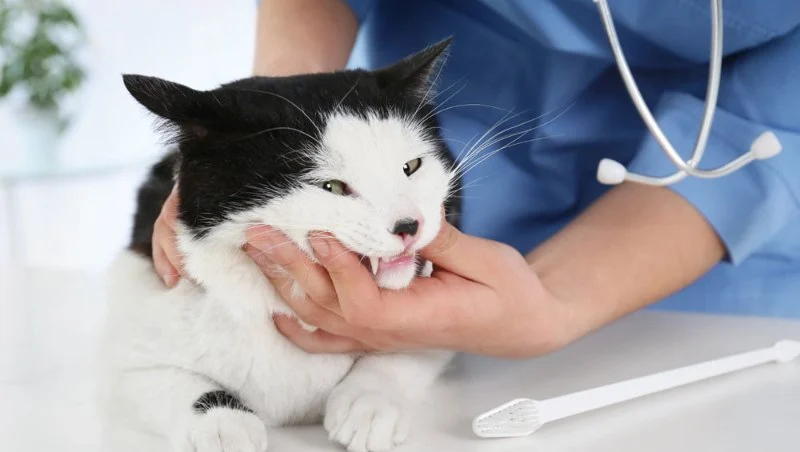
1. Why Dental Care for Kittens is Important
Dental health is an often overlooked aspect of kitten care, but it plays a crucial role in their overall wellbeing. Just like humans, kittens are susceptible to dental problems such as gum disease, tooth decay, and plaque buildup. Without proper care, these issues can lead to discomfort, infection, and even difficulty eating. Early dental care helps ensure your kitten grows up with strong, healthy teeth, and prevents serious dental issues down the line.

2. When to Start Dental Care for Kittens
It’s never too early to start thinking about your kitten’s dental health. Ideally, dental care should begin as soon as your kitten has their baby teeth, which usually occurs when they are around 3 to 4 weeks old. At this stage, you can begin to introduce them to gentle tooth brushing and familiarize them with oral hygiene routines. Early dental care helps them get accustomed to the process, making it easier to maintain healthy habits as they grow.

3. Basic Dental Care Routine for Kittens
Establishing a consistent dental care routine is the key to maintaining your kitten’s oral health. Here are some essential steps you should follow:
- Brushing Their Teeth: Start brushing your kitten's teeth with a soft kitten toothbrush and a pet-safe toothpaste. Never use human toothpaste, as it can be harmful to cats. Begin with gentle strokes to get them accustomed to the feeling.
- Dental Treats and Toys: Dental treats and chew toys are excellent for helping clean your kitten's teeth while also satisfying their natural instinct to chew. These products are designed to reduce plaque buildup and promote good oral health.
- Regular Vet Check-ups: Schedule regular vet visits to ensure your kitten’s teeth and gums are healthy. Your vet can help identify potential dental issues early and provide professional cleanings if necessary.
4. Recognizing Common Dental Issues in Kittens
Just like humans, kittens can develop dental issues, and it’s essential to be aware of the signs. Here are a few common dental problems to watch out for:
- Bad Breath: While mild kitten breath is normal, persistent bad breath can indicate a dental problem like gum disease or tooth decay.
- Red or Swollen Gums: If your kitten's gums are red, swollen, or bleeding, it may be a sign of gingivitis or other gum issues.
- Excessive Drooling: Drooling is not normal for a healthy kitten. If your kitten is drooling excessively, it could be a sign of tooth pain or infection.
- Loss of Appetite or Difficulty Eating: If your kitten refuses to eat or seems to have trouble chewing, it might be due to oral pain or discomfort.
5. Case Study: A Kitten’s Journey to Healthy Teeth
Let’s take a look at a real-life example of a kitten’s dental journey. A kitten named Luna, adopted at 8 weeks old, started her dental care routine early with regular tooth brushing and the use of dental toys. By the time Luna reached adulthood, her teeth were healthy and free from plaque buildup, avoiding common dental issues like gingivitis or tooth decay. Her owners remained consistent with their routine, visiting the vet for regular checkups. Luna's case highlights the importance of starting dental care early and staying on top of it to prevent future issues.
6. How to Choose the Right Dental Products for Kittens
When selecting dental products for your kitten, it’s important to choose those specifically designed for pets. Here are some recommendations:
- Kitten-Specific Toothpaste: Always choose toothpaste that’s formulated for cats. It comes in flavours they enjoy, like poultry or seafood, and is safe for them to swallow.
- Soft Toothbrush: Use a kitten-sized toothbrush with soft bristles to avoid damaging your kitten’s gums. Finger brushes are also a good option for gentle brushing.
- Dental Chews and Treats: Look for dental chews that are safe for kittens, designed to reduce plaque and tartar buildup while satisfying their chewing instinct.
- Water Additives: Some water additives are designed to help reduce plaque and freshen breath. These are a great option if your kitten refuses to have their teeth brushed.
7. The Importance of Professional Dental Care
While home care is essential, professional dental cleanings are also crucial to ensure your kitten's teeth stay in top condition. Your vet can perform a thorough dental examination and clean your kitten’s teeth using professional equipment. Early dental cleanings help prevent more severe issues down the line, such as tooth loss or infections, that can cause pain and health complications.
8. Conclusion: Start Early for Healthy Teeth
Dental care for kittens is an important part of ensuring they have a healthy, happy life. By starting early with tooth brushing, providing dental treats, and scheduling regular vet check-ups, you can set your kitten on the path to lifelong oral health. Don’t forget, consistent dental care now will prevent serious issues later on and help your kitten enjoy a pain-free, happy life. For more dental products and resources, visit RegPets to find the best options for your kitten’s dental care needs.



 Oakbank Veterinary Services5.0 (127 reviews)
 Castle Farm Vets - Malton5.0 (2 reviews)
 Vets for Pets - Carrickfergus4.0 (261 reviews)
 Dogs danglies Ltd5.0 (9 reviews)
 Medivet Bamber Bridge - Withy Grove Vets4.0 (424 reviews)
 Charnwood Veterinary Centre4.0 (159 reviews)
 Top 10 Puppy and Kitten Care Tips Every Bird Owner in the UK Should Know
 Top 10 Skin and Coat Care Every Dog Owner in the UK Should Know
 How to Handle Pet Anxiety and Stress | Expert Vet Advice for Pet Owners
 How to Handle Emergency Situations with Your Pet in the UK
 Complete Guide to Dental Care for Kittens: Essential Tips for Healthy Teeth
 Expert Vet Advice on First Aid Tips for Puppies