

- Introduction to Preventive Care for Exotic Pets
- Why Preventive Care is Crucial for Exotic Pets
- Routine Preventive Care Practices for Exotic Pets
- Species-Specific Preventive Care for Reptiles, Birds, and Mammals
- Common Health Issues in Exotic Pets and How to Avoid Them
- Regular Vet Visits and Health Screenings for Exotic Pets
- Recommended Products for Preventive Care
Introduction to Preventive Care for Exotic Pets
Exotic pets, such as reptiles, birds, and mammals, bring unique joy and companionship to their owners. However, caring for these fascinating creatures requires a specialized approach, particularly when it comes to their health. Unlike traditional pets such as dogs and cats, exotic pets often have very specific needs that must be met to ensure they thrive in a domestic environment.
One of the most important aspects of keeping exotic pets healthy is preventive care. Preventive care includes a range of actions and treatments designed to help animals avoid illness, stay healthy, and lead long, happy lives. This article provides an in-depth guide to preventive care for exotic pets, offering practical advice on maintaining their well-being and addressing their unique health needs.

Why Preventive Care is Crucial for Exotic Pets
Exotic pets are often more sensitive to environmental changes, dietary imbalances, and common diseases compared to more common pets. Because these animals are not as commonly bred for domestic life, many exotic species have evolved to thrive in very specific environments. Without proper care, they can develop a range of health issues, some of which can be fatal.
Preventive care helps to identify potential health problems early, reducing the risk of serious illness. This approach not only helps maintain your pet’s health but also helps you avoid expensive veterinary treatments and surgeries down the line. A proactive approach ensures that your pet remains happy, healthy, and vibrant throughout its life.

Routine Preventive Care Practices for Exotic Pets
Routine care is essential for all pets, but it is especially critical for exotic animals due to their unique needs. Here are some general practices for maintaining your exotic pet’s health:
- Regular Cleaning: Whether it’s for your reptile’s terrarium, your bird’s cage, or your small mammal’s habitat, keeping the living area clean is crucial for preventing infections and promoting overall health.
- Proper Diet: Exotic pets require specific diets that cater to their natural needs. For example, reptiles may require UV light and calcium supplements, while birds may need specialized pellets or fresh fruits and vegetables.
- Environmental Control: Most exotic pets thrive in very controlled environments. Ensure your pet’s habitat has the right temperature, humidity, and lighting, as these factors greatly affect their health.
- Physical Exercise: Many exotic pets, particularly birds and mammals, need regular exercise. This helps prevent obesity and related issues, as well as promoting mental stimulation.
Species-Specific Preventive Care for Reptiles, Birds, and Mammals
Each type of exotic pet requires specific care to address their unique needs. Here's a breakdown of species-specific preventive care:
Reptiles
Reptiles, such as turtles, lizards, and snakes, require proper heat, humidity, and UV light exposure to stay healthy. Some key preventive care tips include:
- Ensure the right temperature gradient in their enclosure to allow for basking and hiding.
- Provide UVB lighting to help them synthesize vitamin D3 and prevent metabolic bone disease.
- Maintain proper humidity levels to prevent dehydration and skin shedding problems.
Birds
Birds need a balanced diet rich in vitamins and minerals, and they require mental stimulation to prevent boredom. Important tips for preventive care include:
- Provide a diverse diet that includes seeds, fruits, and vegetables.
- Give them plenty of time outside the cage to exercise and socialize.
- Regularly clean their cages and accessories to avoid infections.
Mammals
Exotic mammals, such as ferrets, hedgehogs, and sugar gliders, also have unique dietary and environmental needs. Preventive care includes:
- Offer a diet specific to the species’ needs, such as high-protein foods for ferrets or high-fat foods for hedgehogs.
- Keep their living areas clean and provide regular health checks for parasites.
- Encourage socialization and play to prevent stress and obesity.
Common Health Issues in Exotic Pets and How to Avoid Them
Exotic pets are prone to certain health issues due to their unique biology and environments. Common issues include metabolic bone disease in reptiles, respiratory infections in birds, and obesity in mammals. Early detection and intervention are key to preventing serious complications. Regular vet visits, proper habitat maintenance, and a balanced diet can significantly reduce the risk of these issues.
Regular Vet Visits and Health Screenings for Exotic Pets
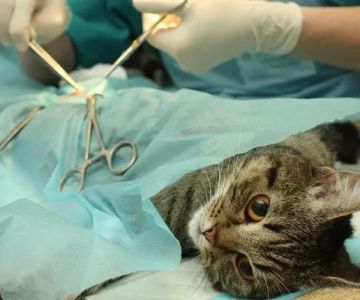
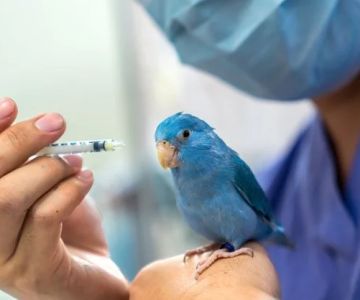
Even with the best preventive care, regular veterinary check-ups are crucial for exotic pets. A veterinarian who specializes in exotic animals can provide tailored advice, vaccinations, and health screenings. These visits can help detect early signs of illness and provide treatments before they become major problems.
Schedule routine check-ups at least once a year, and more often if your pet is older or showing signs of illness. During these visits, your vet can offer tips on diet, habitat conditions, and behavioral health.
Recommended Products for Preventive Care
At RegPets, we offer a variety of products to help you maintain your exotic pet’s health. From specialized diets to high-quality pet habitats and cleaning supplies, we have everything you need to ensure your pet thrives. Browse our selection to find the best products for your pet’s specific needs.



 Pawsitive Relief Veterinary Rehabilitation5.0 (4 reviews)
 Harrison Family Vets, Stockon-on-Tees4.0 (115 reviews)
 Squirrel Lodge Centre4.0 (15 reviews)
 Medivet Darlington Stanhope Rd4.0 (339 reviews)
 Wagtails4.0 (50 reviews)
 Barkers4.0 (11 reviews)
 Vet-Approved Behaviour Training for Senior Pets: A Guide to a Happier, Healthier Pet
 Best Practices for Skin and Coat Care in Fish: Keeping Your Aquarium Pets Healthy
 How to Choose the Right First Aid Tips for Fish in the UK
 The Ultimate Guide to Vaccinations for Dogs and Cats in the UK
 Dealing with Anxiety and Stress in Pets: Expert Vet Advice for UK Pet Owners
 Best Practices for Preventive Care in Dogs