
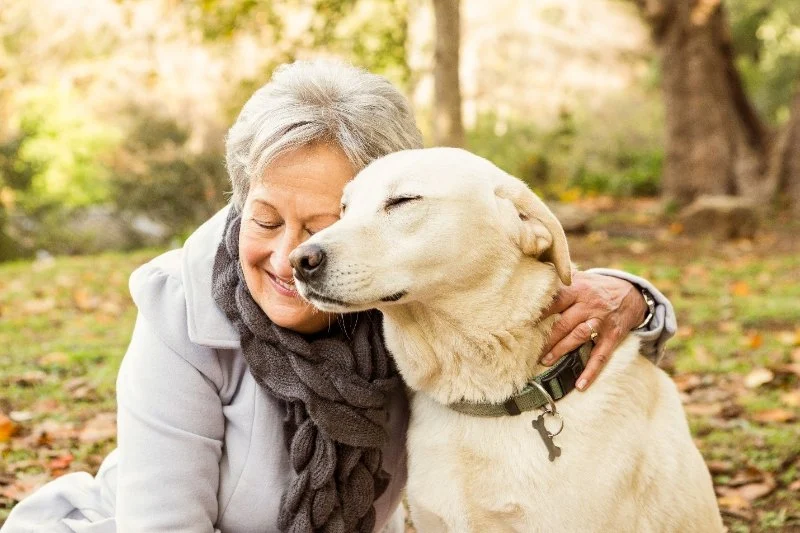
1. Senior Pet Health in the UK - Understanding the Challenges
As pets age, they experience physiological changes that can make them more susceptible to illnesses. In the UK, where pet ownership is increasingly popular among older adults, understanding the nuances of senior pet health is essential. Elderly dogs and cats may face diminished immune function, slower metabolism, and decreased organ efficiency, which can make common ailments more serious if not addressed promptly.
Recognising the early signs of aging and common health issues can empower UK pet owners to provide proactive care. For example, a dog that suddenly seems less energetic during walks may be showing early signs of arthritis or cardiac strain. By monitoring changes closely, owners can intervene early and improve quality of life.
1.1 The Aging Process in Pets
Unlike humans, pets age more rapidly, with small breeds often living longer than large breeds. In general, cats over 10 years old and dogs over 7 years old are considered senior. At this stage, pets experience slower healing, reduced stamina, and increased susceptibility to infections.
Key changes include:
- Reduced mobility and joint stiffness
- Weight fluctuations due to metabolic changes
- Decreased organ function, particularly kidneys and liver
- Altered sensory perception, including hearing and vision loss
2. Common Illnesses Affecting Elderly Pets
Understanding the prevalent conditions in senior pets is critical for prevention and management. Here’s a detailed exploration of some common illnesses:
2.1 Arthritis and Joint Issues
Osteoarthritis is one of the most frequent issues in older pets. In the UK, veterinarians report that nearly 25% of dogs over 7 and cats over 10 show signs of joint degeneration. Symptoms include limping, reluctance to climb stairs, and stiffness in the morning. Regular vet check-ups can help diagnose arthritis early, allowing interventions like joint supplements or anti-inflammatory medications.
2.2 Kidney Disease
Chronic kidney disease (CKD) is common in senior cats and dogs. UK pet owners often notice subtle signs such as increased thirst, frequent urination, or sudden weight loss. Early detection through blood and urine tests is vital. Dietary adjustments, including high-quality protein and low-phosphate diets, can significantly slow disease progression.
2.3 Heart Conditions
Cardiovascular issues, including congestive heart failure, are increasingly diagnosed in senior dogs. Breeds like Cavalier King Charles Spaniels are particularly predisposed. Symptoms may include coughing, rapid breathing, and decreased activity. Regular cardiac monitoring and medication can help maintain heart function and quality of life.
2.4 Dental Problems
Dental disease is often overlooked, yet it affects overall health. Gum inflammation, tartar build-up, and loose teeth are common in UK senior pets. Poor dental hygiene can contribute to systemic infections affecting the heart and kidneys. Routine dental checks, cleaning, and at-home oral care are essential.
2.5 Cognitive Dysfunction Syndrome
Similar to human dementia, Cognitive Dysfunction Syndrome (CDS) affects older pets. Symptoms include disorientation, altered sleep patterns, and changes in social behavior. Environmental enrichment, routine schedules, and vet-prescribed supplements can help alleviate symptoms.
3. Diet and Nutrition for Aging Pets
Nutrition plays a pivotal role in managing senior pet health. Age-appropriate diets are designed to support organ function, maintain healthy weight, and reduce inflammation.
3.1 Choosing the Right Food
Senior pet diets typically contain:
- High-quality proteins to preserve muscle mass
- Moderate fat levels to prevent obesity
- Added omega-3 fatty acids for joint and heart health
- Vitamins and minerals tailored for aging organs
For example, a 12-year-old Labrador in London benefited from a diet rich in glucosamine and omega-3s, leading to noticeable improvements in mobility over three months.
3.2 Monitoring Weight and Hydration
Senior pets are prone to weight fluctuations. Underweight animals may indicate underlying illness, while overweight pets face added stress on joints and cardiovascular health. Encouraging hydration is equally important, particularly for kidney and urinary health.
4. Exercise and Physical Activity for Older Pets
Maintaining appropriate physical activity supports joint health, cardiovascular fitness, and mental stimulation. Exercise plans should be tailored based on the pet’s breed, size, and health conditions.
4.1 Low-Impact Activities
Activities such as short walks, swimming, and gentle play are ideal for elderly pets. In the UK, dog owners frequently use local parks and hydrotherapy centers to manage arthritis and obesity.
4.2 Mental Stimulation Through Exercise
Interactive toys, scent-based games, and puzzle feeders help keep senior pets mentally engaged, reducing stress and promoting cognitive health.
5. Importance of Regular Check-ups and Vet Visits
Frequent veterinary evaluations are essential for early detection of illnesses. Many UK vets recommend biannual check-ups for senior pets. These visits typically include:
- Comprehensive physical examinations
- Blood and urine tests
- Dental assessment
- Behavioral and cognitive evaluations
Regular monitoring helps prevent minor health issues from escalating into serious conditions.
6. Home Care Tips for Maintaining Senior Pet Health
Proactive home care can significantly enhance the quality of life of elderly pets. Key considerations include:
6.1 Comfortable Living Spaces
Soft bedding, easy access to food, water, and litter boxes reduce strain on aging joints. Providing ramps or steps can help pets reach favorite resting areas.
6.2 Grooming and Hygiene
Regular brushing and bathing help prevent skin infections and maintain coat health. Nail trimming and ear cleaning also become more critical as mobility declines.
6.3 Medication Management
Many senior pets require chronic medication for conditions like arthritis, heart disease, or diabetes. Creating a consistent schedule and using pill organizers can reduce missed doses.
7. Case Studies: Learning from Real UK Pet Owners
Real-life stories provide practical insights into managing senior pet health:
7.1 Daisy, a 14-Year-Old Cat with Kidney Disease
Daisy, a Scottish Fold living in Edinburgh, developed early-stage kidney disease. Her owner introduced a veterinary-prescribed renal diet and monitored fluid intake. Over six months, Daisy maintained stable kidney function, highlighting the importance of early intervention and diet management.
7.2 Max, a Senior Labrador with Arthritis
Max, an 11-year-old Labrador in Manchester, struggled with joint stiffness. Hydrotherapy sessions combined with glucosamine supplements improved mobility and reduced discomfort, demonstrating the effectiveness of combined veterinary and lifestyle strategies.
8. Mental Health and Enrichment for Senior Pets
Mental stimulation is as vital as physical health. Simple measures include:
- Consistent routines to reduce anxiety
- Interactive toys and training exercises
- Social interactions with familiar pets or humans
Engaging pets in problem-solving games and scent trails enhances cognitive function and reduces symptoms of cognitive decline.
9. Spotting Early Warning Signs and When to Seek Help
Monitoring subtle changes in behavior, appetite, or mobility can prevent serious illnesses. Signs to watch for include:
- Changes in eating or drinking habits
- Unexplained weight loss or gain
- Altered urination or defecation patterns
- Reduced activity or sudden aggression
- Persistent coughing, sneezing, or labored breathing
Early veterinary assessment ensures timely treatment and improves outcomes.
10. Resources and Recommendations from RegPets
UK pet owners seeking tailored solutions for senior pets can explore RegPets for recommended products, services, and expert guidance. Whether it’s specialized diets, joint supplements, or hydrotherapy programs, RegPets provides practical options to enhance the well-being of elderly pets. Engaging with a trusted platform simplifies decision-making and ensures pets receive optimal care.
By integrating professional advice with home-based monitoring and lifestyle adjustments, senior pets can enjoy healthier, more comfortable lives well into their golden years.



 Paw Prints Pet Supplies4.0 (12 reviews)
 Matt Smith Vets4.0 (359 reviews)
 Cozy Cats Cattery5.0 (9 reviews)
 My Pet HQ Ltd4.0 (238 reviews)
 The Cattery @ Cotestones Farm4.0 (38 reviews)
 Woos Willow Cattery4.0 (38 reviews)
 Allergy Care Tips for Exotic Pets: What UK Pet Owners Need to Know
 Pet Dental Care: Why Regular Vet Visits Are Essential for Your Pet’s Health
 Mental Health Explained: Keeping Your Senior Pets Healthy in the UK
 Top 10 Seasonal Health Tips Every Rabbit Owner in the UK Should Know
 Expert Vet Advice on Weight Management for Senior Pets
 Recognizing Symptoms of Allergies in Dogs and Cats: A Guide for UK Pet Owners