
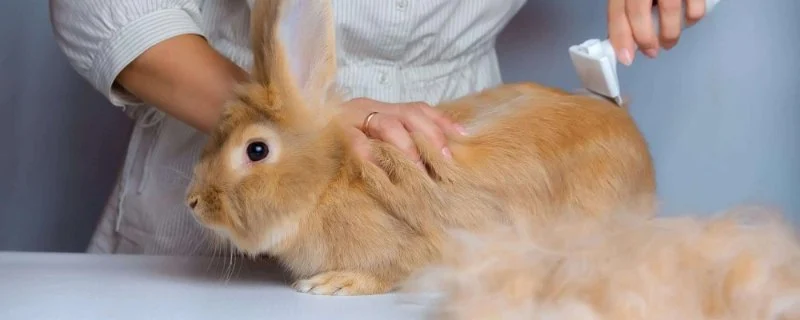
1. Understanding Your Rabbit's Skin and Fur
Rabbits are delicate creatures, and their skin and coat are vital indicators of their overall health. Healthy fur is smooth, shiny, and free from mats, while skin should be clean, free from irritation, and without excessive dryness. Different breeds have unique fur types, from dense Rex fur to long, flowing Angora coats, which require tailored care.
Understanding your rabbit’s skin sensitivity is crucial. For example, thin-skinned breeds are prone to cuts and irritations during handling. Observing your rabbit’s grooming habits and fur condition daily can alert you to potential problems early.
2. Regular Grooming and Brushing
Brushing your rabbit regularly is essential to prevent matting, reduce shedding, and maintain a healthy coat. Long-haired breeds, like the Angora, often need daily brushing to avoid tangles, while short-haired rabbits can thrive with weekly grooming. Use soft, rabbit-friendly brushes to avoid damaging the skin.
Case Study: A UK pet owner shared on social media how regular brushing prevented wool block—a condition caused by ingested hair accumulating in the digestive tract. By gently removing loose fur, she kept her rabbit healthy and happy. Incorporating grooming into playtime can also strengthen the bond between you and your pet.
3. Diet and Nutrition for Healthy Fur
A rabbit’s diet directly impacts its skin and coat health. High-fibre diets with unlimited hay, fresh vegetables, and limited pellets help maintain digestive health and prevent hairballs. Supplements such as Omega-3 fatty acids can enhance coat shine and skin elasticity.
Story Insight: In a recent UK rabbit care survey, owners who added leafy greens rich in vitamin A noticed improvements in their rabbits’ fur softness and reduced shedding. Balanced nutrition ensures your rabbit’s coat stays resilient against seasonal changes.
4. Monitoring for Skin Issues
Regularly check your rabbit for signs of skin problems such as redness, scabs, flaking, or excessive scratching. Parasites like mites or fleas can also affect skin health. Early detection allows timely treatment and prevents complications.
Professional Tip: Use gentle, natural cleaning solutions if recommended by a vet and avoid harsh chemicals that could irritate sensitive skin. Observing behaviour changes, such as increased grooming or scratching, can provide early clues to underlying health issues.
5. Seasonal Care and Environmental Factors
Temperature, humidity, and housing all affect a rabbit’s coat condition. During winter, ensure bedding is dry and warm, while in summer, provide shaded areas to prevent heat stress. Regular cage cleaning reduces risk of skin infections and keeps fur clean.
Example: UK rabbit shelters often advise extra grooming during seasonal molts to remove loose hair and prevent digestive blockages. Environmental awareness is key to maintaining coat health year-round.
6. Professional Advice and Resources
For UK pet owners, consulting with experienced veterinarians and professional groomers is invaluable. They can provide guidance on breed-specific needs, recommend suitable grooming tools, and detect early signs of skin disease.
For premium products, grooming tools, and tailored advice, RegPets offers a curated selection for rabbit skin and coat care, ensuring your pet receives optimal attention and comfort. Regular check-ups and professional guidance complement your daily care routine, keeping your rabbit healthy and its coat lustrous.






 Animates Veterinary Clinic4.0 (178 reviews)
 Handpicked Pet Boutique5.0 (2 reviews)
 Abbey Vets4.0 (44 reviews)
 Wicstun Veterinary Hospital 24 Hour4.0 (170 reviews)
 Fraser Veterinary Physiotherapy5.0 (2 reviews)
 Pets at Home Penrith4.0 (437 reviews)
 Top 10 Health Checkups Every Puppy Owner in the UK Should Know
 Best Practices for Skin and Coat Care in Fish: Keeping Your Aquarium Pets Healthy
 Best Practices for Spaying and Neutering in Cats | RegPets
 Complete Guide to Puppy and Kitten Care for Birds
 Health Checkups Explained: Keeping Your Fish Healthy in the UK
 Vet-Approved Preventive Care for Exotic Pets: Essential Tips for Pet Owners