
- 1-Vaccinations-and-Regular-Checkups
- 2-Nutrition-and-Diet-Management
- 3-Dental-and-Oral-Health
- 4-Exercise-and-Mental-Stimulation
- 5-Parasite-Prevention-and-Safety
- 6-Personalised-Care-and-UK-Resources
1. Vaccinations and Regular Checkups
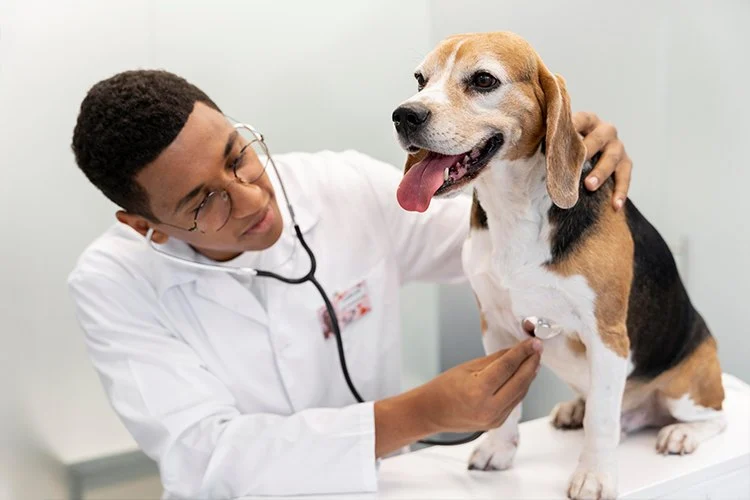
Ensuring your dog is vaccinated and attends regular veterinary checkups is the cornerstone of vet-approved preventive care for dogs. In the UK, core vaccinations such as distemper, hepatitis, parvovirus, and leptospirosis are essential. A routine schedule, monitored by your vet, helps prevent serious illnesses before they occur.
For instance, Lucy, a Labrador owner from London, shared how her dog developed early signs of kidney disease. Thanks to her vet’s preventive health check, they identified the issue early, allowing for dietary adjustments and medication that significantly improved her dog’s quality of life. This story highlights why proactive veterinary visits are vital.
Regular checkups also allow your vet to monitor your dog’s weight, mobility, and behaviour, detecting subtle health changes that owners might miss. Combining vaccinations with annual screenings creates a strong foundation for long-term wellness.

2. Nutrition and Diet Management
A balanced diet is essential for long-term health. Many dog owners underestimate the impact of diet on preventive care. A nutrient-rich diet tailored to your dog’s age, breed, and activity level supports a healthy immune system and can prevent obesity-related issues such as diabetes and joint problems.
Vet-approved diets in the UK, available through services like RegPets, offer specialized formulas addressing breed-specific needs. For example, a senior Beagle may require diets rich in joint-support nutrients like glucosamine, while a growing puppy needs a diet higher in protein for proper development.
Regularly reviewing your dog’s diet with a vet ensures nutritional requirements are met, and prevents long-term complications. Small adjustments, like introducing omega-3 fatty acids for coat health, can make a noticeable difference in overall wellbeing.

Animal Care Clinic Ltd.
Newark-on-TrentNottinghamshireEngland
9 King's Rd, Newark-on-Trent, Newark NG24 1EW, UK
3. Dental and Oral Health
Dental care is often overlooked, yet poor oral hygiene can lead to systemic health problems. Vet-approved preventive care for dogs includes regular teeth brushing, dental chews, and professional cleanings when needed.
Take Max, a Golden Retriever in Manchester. His owner noticed bad breath, and a routine dental checkup revealed early gum disease. With preventive care measures recommended by the vet, Max’s dental health improved significantly, avoiding more invasive treatments.
Consistency is key: brushing two to three times a week combined with periodic professional checkups ensures long-term dental wellness. Incorporating chew toys and treats designed for dental health can make this process easier and more enjoyable for your dog.
4. Exercise and Mental Stimulation
Physical activity and mental stimulation are essential elements of preventive care. Regular exercise prevents obesity, strengthens muscles, and supports cardiovascular health. Mental stimulation reduces anxiety and boredom, preventing destructive behaviours.
Interactive toys, scent games, and obedience training not only engage your dog’s mind but also enhance the bond between you and your pet. For instance, many UK owners report that incorporating short training sessions into daily walks has reduced stress-related behaviours significantly.
Tailoring exercise routines based on breed and age, combined with routine vet advice, ensures your dog remains healthy both physically and mentally.
5. Parasite Prevention and Safety
Preventing fleas, ticks, and worms is another key aspect of vet-approved preventive care. These parasites can transmit serious diseases, making consistent prevention vital.
UK veterinarians recommend monthly preventive treatments, along with regular checks, especially during summer months when ticks and fleas are more prevalent. For example, owners using monthly preventive products noticed a significant reduction in flea-related skin issues and gastrointestinal problems.
Additionally, safety measures like microchipping, ID tags, and secure environments protect dogs from getting lost or injured, complementing medical preventive strategies.
6. Personalised Care and UK Resources
Every dog is unique, and preventive care should reflect this individuality. Vet-approved care plans can be customised based on breed, age, lifestyle, and health history. Working closely with a veterinarian ensures that your dog receives the right vaccinations, diet, and exercise regimen.
UK dog owners can leverage services such as RegPets to access tailored products, trusted veterinary services, and guidance for preventive care. Personalized recommendations make it easier to adopt a holistic approach, ensuring long-term wellness and happiness for your dog.
Proactive, vet-approved preventive care is not just about avoiding illness; it’s about giving your dog a vibrant, healthy life while strengthening the bond between you and your pet.






 Fish & Pond Centre Ltd4.0 (197 reviews)
 Maidenhead Aquatics Stokesley4.0 (214 reviews)
 Norbreck Aquatics4.0 (255 reviews)
 St. David Veterinary Centre, Pentwyn4.0 (183 reviews)
 Medivet Chester-le-Street4.0 (669 reviews)
 The Park Vet Group in East Leicestershire4.0 (375 reviews)
 Dealing with Anxiety and Stress in Pets: Vet Advice on Managing Pet Stress
 Expert Vet Advice on Health Checkups for Rabbits
 Common Illnesses Explained: Keeping Your Cats Healthy in the UK
 The Importance of Travel Safety for Cats – UK Edition
 Allergy Care Explained: Keeping Your Hamsters Healthy in the UK
 Dealing with Anxiety and Stress in Pets: Expert Vet Advice for UK Pet Owners