
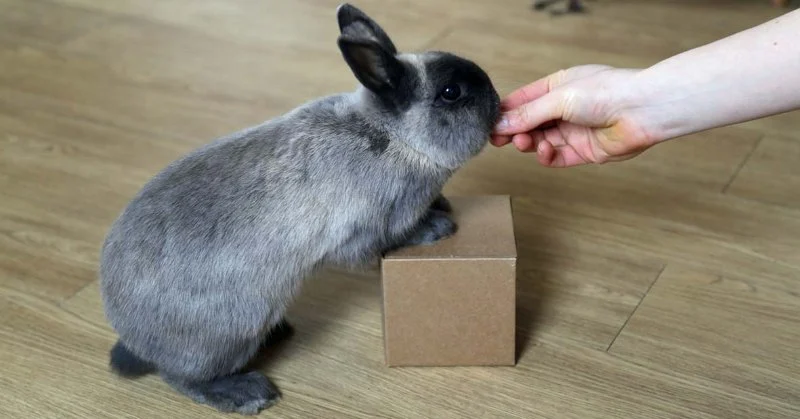
- Understanding Rabbit Behaviour
- Common Behaviour Issues in Rabbits
- Essential Training Tips for Rabbits
- Positive Reinforcement in Rabbit Training
- How to Address Aggressive or Destructive Behaviour
Understanding Rabbit Behaviour
Rabbits are intelligent, social animals, but they can also be quite independent and sometimes challenging to understand, especially when it comes to their behaviour. Unlike cats or dogs, rabbits communicate through body language, such as thumping their hind legs, grooming, and chewing. Understanding your rabbit's behaviour is crucial in providing proper training and ensuring a happy life for your pet.
Rabbits are naturally prey animals, which means they can be easily scared and are often very cautious. This instinct influences many aspects of their behaviour, from their shy demeanor to their tendency to hide when stressed. By learning how to interpret these behaviours, you can create a more comfortable environment for your rabbit and improve your training results.

Veterinary Instrumentation
Distington House, 26 Atlas Way, Sheffield S4 7QQ, UK
Common Behaviour Issues in Rabbits
While rabbits are generally friendly and loving, they can sometimes develop undesirable behaviours. As a UK pet owner, it's important to address these issues early to prevent long-term problems. Some of the most common behaviour issues include:

All Creatures Veterinary Centre
Radcliffe on TrentNottinghamshireEngland
11 Bingham Rd, Radcliffe on Trent, Nottingham NG12 2FY, UK
1. Chewing and Nipping
Rabbits love to chew, and this behaviour is completely natural. However, when they start chewing on furniture, electrical cords, or other harmful objects, it becomes a problem. Nipping, particularly when they’re trying to communicate or assert dominance, can also be an issue. This can be managed with proper training and providing appropriate chew toys.
2. Litter Training Problems
Litter training is an important part of owning a rabbit. However, some rabbits may struggle with using their litter box correctly. It's crucial to use the right type of litter and place the box in a quiet, accessible area. Some rabbits may need time to get accustomed to using the litter box, so patience is key.
3. Aggressive Behaviour
Aggressive behaviour in rabbits, such as biting or lunging, can occur for several reasons, including fear, territorial behaviour, or frustration. Addressing this issue early with proper training techniques can prevent it from becoming a long-term problem.
Essential Training Tips for Rabbits
Training your rabbit requires patience, consistency, and an understanding of their unique behaviour. Here are some essential tips to help UK pet owners train their rabbits effectively:
1. Start Early
The earlier you begin training your rabbit, the easier it will be to shape their behaviour. While rabbits can be trained at any age, young rabbits are often more receptive to learning new habits. Start by teaching them simple commands like “sit” or “come” using positive reinforcement.
2. Use a Calm and Gentle Approach
Rabbits are sensitive animals, so it’s important to use a calm and gentle approach when training them. Avoid raising your voice or using any form of punishment. Instead, focus on encouraging positive behaviour through rewards, such as treats or affection.
3. Be Consistent
Consistency is key when training rabbits. Ensure that everyone in the household is on the same page when it comes to commands and expectations. Repetition of commands and behaviours helps rabbits learn and understand what is expected of them.
Positive Reinforcement in Rabbit Training
Positive reinforcement is the most effective training method for rabbits. This technique involves rewarding desired behaviours rather than punishing undesirable ones. By offering treats, praise, or affection when your rabbit displays good behaviour, you encourage them to repeat the action.
For example, if you want to teach your rabbit to use the litter box, reward them with a small treat each time they use it correctly. Over time, your rabbit will associate the litter box with positive rewards and will be more likely to use it consistently.
It's important to choose healthy, rabbit-safe treats as rewards to avoid overfeeding. Small pieces of carrot or leafy greens work well as rewards.
How to Address Aggressive or Destructive Behaviour
If your rabbit is showing signs of aggression or destructiveness, it’s important to address the underlying cause of the behaviour. Aggression in rabbits can often be linked to fear, stress, or territorial instincts. Here’s how to address these issues:
1. Provide a Safe Space
Rabbits can become aggressive if they feel threatened or stressed. Ensure that your rabbit has a safe, quiet space where they can retreat and relax when they feel overwhelmed. This will help reduce stress and prevent aggressive behaviours.
2. Redirect Destructive Behaviour
If your rabbit is chewing on furniture or other unwanted objects, redirect their attention to safe chew toys. Make sure their environment is rabbit-proofed by removing any tempting items that could cause harm.
3. Spaying or Neutering
Spaying or neutering your rabbit can help reduce aggressive behaviour, especially in male rabbits who may become territorial. If you haven’t already, consider consulting a vet about the benefits of spaying or neutering your rabbit to improve their behaviour and health.
Final Thoughts: Raising a Well-Behaved Rabbit
Training and understanding your rabbit’s behaviour is an ongoing process, but with patience and consistency, you can create a strong bond with your pet. Whether you're dealing with chewing, litter box issues, or aggression, applying the right training techniques will help your rabbit become a well-adjusted, well-behaved companion.
If you're looking for the best products and accessories to aid in your rabbit’s training, be sure to visit RegPets for a wide selection of rabbit care products, including toys, treats, and training tools.






 Bourne Cattery4.0 (67 reviews)
 Pets at Home Preston4.0 (1000 reviews)
 Hadrian Vets4.0 (50 reviews)
 A1 Pets Place4.0 (176 reviews)
 Barry Veterinary Centre4.0 (216 reviews)
 Top Cats Boarding Cattery4.0 (14 reviews)
 The Importance of Microchipping Your Pet in the UK: A Lifesaver for Pet Owners
 How to Spot Signs of Arthritis in Older Pets: A Complete Guide
 How to Improve Fish Skin and Coat Care at Home
 Complete Guide to Puppy and Kitten Care for Birds – Essential Tips for Pet Owners
 UK Pet Owner’s Guide to Common Illnesses for Guinea Pigs
 Nutrition Tips for Birds: What UK Pet Owners Need to Know