
- behavior-explained - Why dogs eat vomit and instinct background
- digestive-process - How canine digestion influences regurgitation habits
- health-vs-instinct - When the behavior is normal or concerning
- real-cases - Real pet owner experiences and behavior patterns
- prevention-guidance - Practical steps to reduce this behavior safely
Understanding Why Dogs Sometimes Revisit Their Vomit
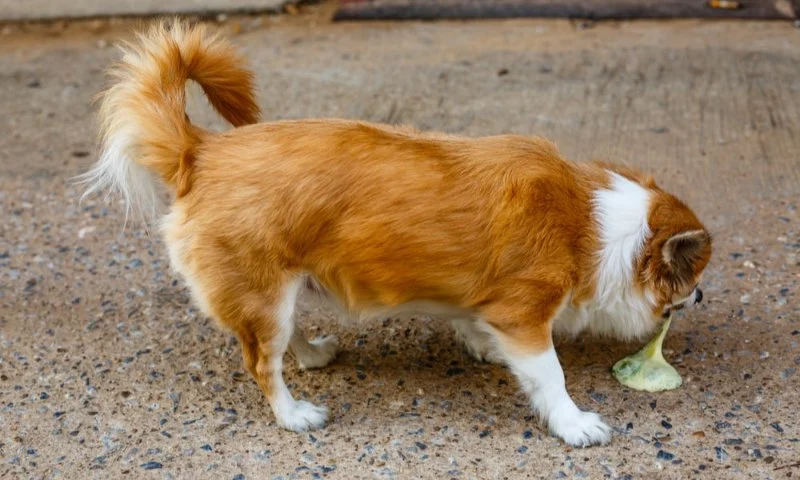
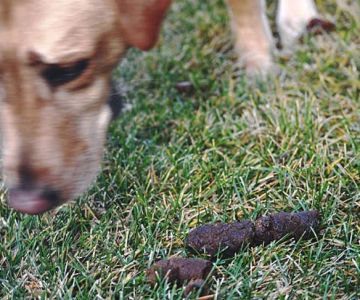
When owners first witness the behavior behind why does my dog eat their own vomit, the reaction is usually shock or disgust. But in the canine world, this action is not always abnormal or “dirty” behavior. In fact, it often connects to instinct, survival patterns, and how a dog’s digestive system is naturally designed.
Dogs evolved from scavenging ancestors who rarely had guaranteed access to food. In the wild, leaving behind partially digested food could mean losing a valuable calorie source. That survival instinct still lingers today, even in well-fed household pets. Understanding this helps shift the perspective from emotional reaction to biological reasoning.

Natural Instincts Behind Canine Eating Behavior
Survival Memory from Ancestral Dogs
Wild canines such as wolves often re-consumed regurgitated food, especially when feeding pups or during times of scarcity. This instinctual trait still appears in domestic dogs, even though modern nutrition is stable. The behavior is not driven by preference, but by deeply embedded survival programming.

Durham Animal Feeds
Heighington VillageCounty DurhamEngland
Station Rd, Heighington Village, Newton Aycliffe DL5 6AA, UK
Smell and Digestive Familiarity
Dogs rely heavily on scent rather than visual cues. To a dog, vomit may still smell like partially processed food. If the stomach has not fully broken down the meal, the dog may interpret it as “safe food” rather than waste.
This is particularly common when dogs eat too quickly, leading to undigested regurgitation rather than true vomiting. In those cases, the material still resembles recognizable food items.
When Digestion Plays a Direct Role
Regurgitation vs. Vomiting Differences
Many owners assume all expelled stomach contents are the same, but there is an important distinction. Regurgitation happens passively, often soon after eating. Vomiting, on the other hand, is an active digestive response involving stomach contractions.
When food is regurgitated shortly after eating, it is minimally digested, making it more likely the dog will consume it again. This is one of the most common explanations for the behavior described in why does my dog eat their own vomit.
Eating Speed and Portion Size
Dogs that eat quickly or are fed large portions may regurgitate more frequently. Fast eating traps air and prevents proper breakdown of food, increasing the chances that the dog will “reprocess” the meal afterward.
Some pet owners report that their dogs act almost unconcerned after the event, quickly returning to the same spot and consuming it again. This is typically mechanical behavior, not emotional or psychological distress.
Real-Life Case: A Labrador’s Fast-Eating Habit
A pet owner once shared the experience of a young Labrador named Max, who regularly ate his meals in under 30 seconds. Shortly after eating, Max would sometimes regurgitate and then attempt to consume it again.
After veterinary consultation, the issue was traced back to rapid feeding behavior rather than illness. Once the owner introduced a slow-feeder bowl and split meals into smaller portions, the behavior reduced significantly.
This example shows that understanding why does my dog eat their own vomit often begins with observing feeding habits rather than assuming illness.
Medical Considerations You Should Not Ignore
When Behavior May Indicate Health Issues
Although often instinct-driven, repeated vomiting or regurgitation should not be ignored. It may indicate gastrointestinal problems such as reflux, infections, or dietary intolerance.
If the behavior is accompanied by lethargy, weight loss, or loss of appetite, it is important to seek veterinary evaluation promptly.
Stress and Environmental Triggers
Dogs under stress may exhibit unusual eating behaviors, including consuming regurgitated food. Changes in environment, new pets, or irregular feeding schedules can all contribute to digestive and behavioral instability.
Behavioral Science Perspective
Comfort Through Familiar Taste
Some behavioral experts suggest dogs may be drawn to familiar smells and tastes when feeling uncertain. Vomited food is still “known” to them, which can create a sense of comfort compared to unfamiliar surroundings.
Reinforcement Through Repetition
If a dog has previously eaten regurgitated food without negative consequences, the behavior may become reinforced over time. Dogs learn quickly through repetition and outcome association.
Practical Ways to Reduce the Behavior
Adjusting Feeding Techniques
One of the most effective solutions is slowing down the eating process. Puzzle feeders, divided meals, and raised feeding bowls can significantly reduce regurgitation caused by fast eating.
Many veterinarians also recommend feeding smaller portions more frequently throughout the day to support smoother digestion.
Improving Digestive Comfort
High-quality, easily digestible food can reduce stomach irritation and improve nutrient absorption. Some owners explore dietary adjustments after consulting professionals to identify sensitivities or intolerances.
For structured pet wellness support and guidance, platforms like RegPets can help owners find suitable products and services tailored to digestive and behavioral needs.
Owner Experience: Learning Through Observation
One dog owner described initially being alarmed by this behavior, assuming it was a serious medical issue. After tracking feeding times, portion sizes, and stress levels, they discovered the issue was primarily behavioral and manageable.
The turning point came when they realized the importance of observing patterns rather than reacting to isolated incidents. This shift in understanding is key when exploring why does my dog eat their own vomit.
Building a Healthier Routine for Your Dog
Creating consistency in feeding schedules, reducing stress, and monitoring digestion all contribute to healthier long-term habits. Dogs thrive on routine, and stability often reduces unusual eating behaviors.
While the behavior may seem unpleasant to humans, it is often a mix of instinct, digestion, and learned response rather than intentional “bad behavior.”


 Veterinary Vision5.0 (52 reviews)
 Birdman parrot rescue centre ltd4.0 (98 reviews)
 Rues Corner5.0 (1 reviews)
 Online Falconry Shop0.0 (0 reviews)
 Vets4Pets - Blackpool Warbreck4.0 (323 reviews)
 Paws by the Lake - Ambleside Pet & Gift Shop4.0 (134 reviews)
 Can Dogs Eat Soy Sauce? Sodium Poisoning Risks Every Pet Owner Should Know
 UK Pet Owner’s Guide to Allergy Care for Cats
 Preventive Care Tips for Rabbits: What UK Pet Owners Need to Know
 The Importance of Health Checkups for Birds – UK Edition
 Top 10 Puppy and Kitten Care Tips Every Bird Owner in the UK Should Know
 Can Dogs Eat Asparagus Fern? Ornamental Plant Poisoning Risks Explained