
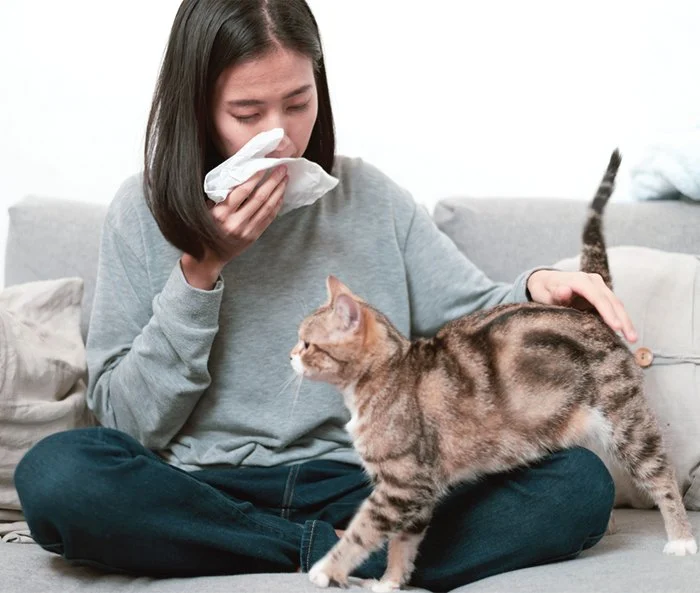
- 1- Understanding Cat Allergies: Causes and Symptoms
- 2- How to Diagnose Allergies in Cats
- 3- Treatment Options for Cat Allergies
- 4- Preventing Allergies in Cats
- 5- Final Tips for Managing Cat Allergies
1- Understanding Cat Allergies: Causes and Symptoms
As a pet owner in the UK, it's essential to understand that cats can suffer from allergies, just like humans. Cat allergies are typically caused by environmental factors, food, or flea bites. Common allergens that affect cats include pollen, dust mites, mold, and even certain foods.
Allergy symptoms in cats may vary, but typical signs include sneezing, itchy skin, watery eyes, excessive grooming, and sometimes gastrointestinal issues. Understanding these symptoms can help you identify when your cat is struggling with allergies, and taking early action is vital for their health and comfort.

PETmedic Veterinary Services
Adwick le StreetSouth YorkshireEngland
3 Mill Ln, Adwick le Street, Doncaster DN6 7AG, UK
2- How to Diagnose Allergies in Cats
Diagnosing allergies in cats often requires a process of elimination. It's best to consult with a vet if you suspect your cat has allergies. Your vet will perform a thorough physical examination, take a detailed history, and may recommend skin or blood tests to identify the allergen causing the symptoms.
In some cases, the vet may also suggest a food trial to identify food-related allergies. It's essential to follow the vet's advice and not try to diagnose or treat allergies without professional guidance, as it can lead to incorrect treatment and unnecessary distress for your cat.

3- Treatment Options for Cat Allergies
Once the allergen has been identified, treatment options for cat allergies may include:
- Medications: Your vet may prescribe antihistamines, corticosteroids, or other medications to help control the allergy symptoms and reduce inflammation.
- Allergen Avoidance: One of the most effective ways to manage allergies in cats is to reduce exposure to the allergen. This could mean keeping your cat indoors during pollen seasons or using air purifiers in your home.
- Specialized Diet: If food allergies are suspected, your vet may recommend a special hypoallergenic diet to avoid triggers and alleviate symptoms.
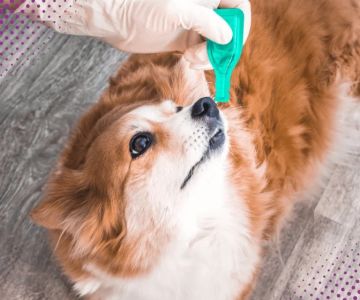
- Flea Control: Since flea bites are a common allergen, keeping your cat on a regular flea treatment regimen can help prevent allergic reactions.
4- Preventing Allergies in Cats
While it may not always be possible to completely prevent allergies in cats, there are several steps you can take to minimize the risk:
- Regular Cleaning: Keep your home clean by vacuuming frequently and washing your cat’s bedding regularly to reduce dust mites and other allergens.
- Air Quality: Use air purifiers in areas where your cat spends the most time, especially during high pollen seasons, to improve indoor air quality.
- Control Fleas: Ensure that your cat is on a proper flea control program to prevent flea allergy dermatitis.
- Monitor Food: Be mindful of what you feed your cat and introduce new foods slowly to detect any potential food allergies.
5- Final Tips for Managing Cat Allergies
Managing allergies in cats requires vigilance and care, but with the right approach, you can significantly improve your cat's comfort. Regular check-ups with the vet, paying attention to changes in behavior, and adapting their environment can help in preventing and treating allergies effectively.
By following the guidance outlined in this article, you’ll be well-equipped to manage your cat’s allergies and provide them with the best possible care. If you need further assistance, don’t hesitate to reach out to pet care experts or visit our website at RegPets for more information on pet care products and services tailored to your cat’s needs.


 Lakeside Country Cattery5.0 (10 reviews)
 Smiths Nurseries4.0 (114 reviews)
 Covetrus4.0 (2 reviews)
 The Dam Veterinary Centre - Selby4.0 (152 reviews)
 Donaldson's Vets Ltd4.0 (166 reviews)
 Pets at Home Birstall4.0 (1575 reviews)
 UK Pet Owner’s Guide to Puppy, Kitten, and Bird Care
 Common Vaccination Myths Debunked by UK Vets – Essential Facts for Pet Owners
 Common Illnesses Explained: Keeping Your Birds Healthy in the UK
 The Importance of Health Checkups for Rabbits – UK Edition
 Emergency Vet Advice for Dogs in the UK – Essential for Pet Health
 Dealing with Anxiety and Stress in Pets: Vet Advice for UK Owners