
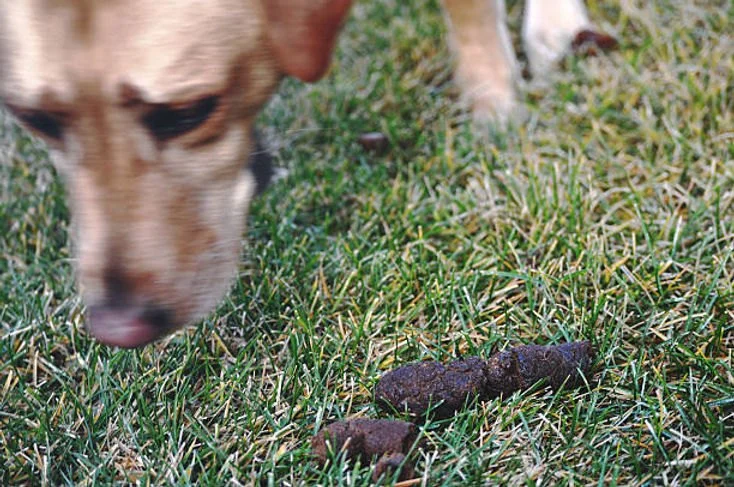
- coprophagia-in-dogs-main-causes-explained - Understanding the biological and behavioral reasons behind poop-eating behavior
- why-do-dogs-eat-poop-puppy-vs-adult-behavior - Differences between puppy curiosity and adult behavioral concerns
- nutrition-deficiencies-and-dog-cravings - How diet quality can influence coprophagia in dogs
- stress-anxiety-and-dog-behavior-triggers - Emotional and environmental causes behind the habit
- how-to-stop-dog-eating-poop-training-methods - Practical training strategies to correct the behavior safely
- real-dog-owner-case-study-behavior-change - A relatable story showing improvement through consistent training
- professional-vet-guidance-and-prevention-tips - Expert recommendations for long-term prevention
Understanding Why Dogs Eat Poop and What It Really Means
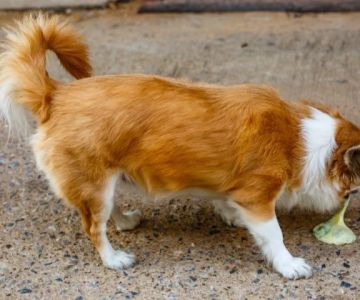
The question why do dogs eat poop often shocks new dog owners, but the behavior—known as coprophagia in dogs—is more common than people realize. While it may seem disgusting from a human perspective, dogs do not interpret waste the same way we do. For them, scent and instinct play a much larger role than visual or emotional judgment.
In many cases, this behavior is rooted in natural instincts, early-life learning, or environmental stress. Understanding the reason behind it is the first step in addressing it effectively rather than reacting with frustration or punishment.

What Coprophagia in Dogs Actually Is and Why It Happens
Natural Instinct vs Behavioral Concern
Coprophagia in dogs can be divided into two broad categories: instinct-driven behavior and learned behavioral issues. In the wild, some canines may consume feces to keep dens clean or to prevent predators from tracking them. While domesticated dogs no longer need this survival behavior, the instinct can still exist in certain situations.
On the other hand, repeated dog eating poop causes in household pets are often linked to environment, diet, or attention-seeking behavior.

Puppies vs Adult Dogs: Key Differences
Puppy poop eating behavior is relatively common during early development stages. Puppies explore the world with their mouths and may not yet understand what is appropriate to ingest. Most puppies grow out of this phase naturally with guidance and training.
However, when adult dogs continue the behavior, it often signals deeper issues such as nutritional imbalance or behavioral stress.
Common Causes Behind Coprophagia in Dogs
Diet and Nutritional Deficiencies
One of the most discussed causes of canine coprophagia treatment cases is poor diet quality. Dogs lacking essential nutrients may attempt to compensate by eating waste, especially if their food is low in digestibility or missing key enzymes.
Improving diet quality alone can sometimes significantly reduce or eliminate the behavior.
Stress, Anxiety, and Environmental Factors
Dogs experiencing stress, boredom, or lack of stimulation may develop unusual habits. A dog left alone for long periods may engage in coprophagia simply out of anxiety or lack of activity.
This is especially common in high-energy breeds that require consistent mental and physical engagement.
Attention-Seeking Behavior
In some cases, dogs learn that eating poop triggers a strong reaction from their owners. Even negative attention can reinforce the behavior if it consistently results in interaction.
A Real-Life Case: How One Dog Owner Solved the Problem
One dog owner shared their experience with a rescue dog that repeatedly engaged in poop-eating behavior shortly after adoption. Initially, they tried scolding, but the behavior only increased.
After consulting a trainer, they shifted focus to structured feeding schedules, increased walks, and positive reinforcement training. Within weeks, the behavior reduced significantly.
This case highlights an important truth: understanding motivation is more effective than punishment.
How to Stop Dog Eating Poop Using Practical Training Methods
Immediate Cleanup Strategy
One of the simplest ways to reduce reinforcement is to remove access quickly. Cleaning waste immediately after elimination prevents the dog from developing a habit loop.
Command Training and Redirection
Training commands like “leave it” or “come” can help redirect attention away from feces. Consistency is key, as dogs need repetition to form new behavioral patterns.
Positive Reinforcement Techniques
Rewarding desirable behavior helps reinforce long-term change. Treats, praise, and playtime can be used when the dog ignores or avoids waste.
Many professional trainers recommend combining behavior training with structured routines for best results.
Diet Adjustments That May Reduce Coprophagia
High-Quality Protein and Digestibility
Switching to higher-quality dog food with improved digestibility can reduce leftover nutrients in stool, making it less appealing to dogs.
Supplement Support
Some veterinary-approved supplements may help balance digestion and reduce cravings associated with nutrient deficiencies.
Behavioral Triggers You Should Not Ignore
Boredom and Lack of Exercise
Dogs that do not receive enough physical activity often develop coping behaviors, including coprophagia. Daily exercise plays a major role in behavioral health.
Separation Anxiety Patterns
Dogs suffering from anxiety may engage in destructive or unusual behaviors when left alone. Addressing emotional health is as important as training.
When Professional Help Becomes Necessary
If the behavior persists despite training and dietary changes, consulting a veterinarian or professional trainer is recommended. In some cases, underlying medical conditions may contribute to coprophagia in dogs.
Platforms like RegPets help pet owners find trusted pet care solutions, behavior guidance, and products designed to improve canine health and training outcomes.
Preventing Coprophagia Long-Term Through Consistency
Routine Building and Environmental Control
Establishing consistent feeding, walking, and bathroom routines reduces uncertainty and stress, which often contributes to unwanted behaviors.
Ongoing Monitoring and Adjustment
Behavioral improvement is not always immediate. Regular observation helps identify triggers and adjust training approaches when necessary.
Owner Behavior Influence
Dogs often mirror emotional energy from their owners. Calm, consistent responses are far more effective than emotional reactions.
 Veterinary Vision5.0 (52 reviews)
 Birdman parrot rescue centre ltd4.0 (98 reviews)
 Rues Corner5.0 (1 reviews)
 Online Falconry Shop0.0 (0 reviews)
 Vets4Pets - Blackpool Warbreck4.0 (323 reviews)
 Paws by the Lake - Ambleside Pet & Gift Shop4.0 (134 reviews)
 Can Dogs Eat Soy Sauce? Sodium Poisoning Risks Every Pet Owner Should Know
 UK Pet Owner’s Guide to Allergy Care for Cats
 Preventive Care Tips for Rabbits: What UK Pet Owners Need to Know
 The Importance of Health Checkups for Birds – UK Edition
 Top 10 Puppy and Kitten Care Tips Every Bird Owner in the UK Should Know
 Can Dogs Eat Asparagus Fern? Ornamental Plant Poisoning Risks Explained