
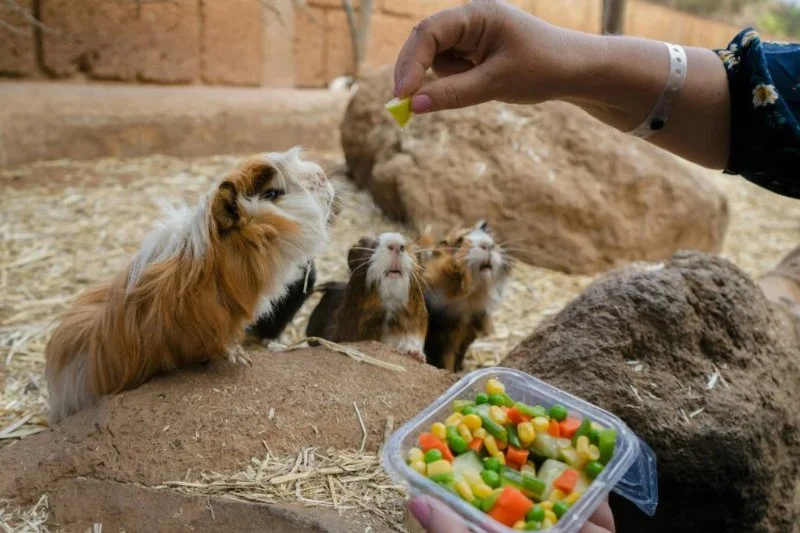
- - #understanding-guinea-pig-diet-and-natural-feeding-behavior
- - #can-guinea-pigs-eat-baby-corn-nutritional-breakdown
- - #safe-vegetable-treats-and-portion-control-guidelines
- - #digestive-health-risks-and-common-feeding-mistakes
- - #real-pet-owner-experiences-and-learning-moments
- - #how-to-introduce-new-foods-to-small-pets-safely
- - #balanced-diet-structure-for-long-term-guinea-pig-health
- - #signs-of-food-intolerance-and-when-to-react
- - #trusted-pet-care-resources-and-regpets-guidance
Understanding Guinea Pig Diet and Natural Feeding Behavior
When pet owners search for Can Guinea Pigs Eat Baby Corn? Sweet Vegetable Treats for Small Pets, the question is usually rooted in curiosity and care rather than simple feeding habits. Guinea pigs are small herbivores with very specific digestive systems, and their health depends heavily on the balance of fiber-rich foods, fresh vegetables, and controlled treats.
In the wild, guinea pigs naturally consume grasses, leaves, and plant matter that is high in fiber and low in sugar. Their digestive systems are designed for constant grazing rather than large meals. This means that even small dietary changes can have a noticeable impact on their overall health and behavior.
Unlike cats or dogs, guinea pigs cannot synthesize vitamin C on their own, which makes dietary planning even more important. Every food item introduced into their diet must be evaluated not only for taste but also for nutritional compatibility and digestive safety.

Why understanding natural diet matters for pet owners
Many digestive issues in guinea pigs come from well-intentioned owners offering foods that seem harmless but are too sugary, starchy, or low in fiber. Understanding their natural eating habits is the first step toward making safer feeding decisions.

Can Guinea Pigs Eat Baby Corn Nutritional Breakdown
The core question behind Can Guinea Pigs Eat Baby Corn? Sweet Vegetable Treats for Small Pets revolves around whether baby corn is safe and beneficial or simply an occasional treat that should be limited.
What baby corn actually contains
Baby corn is harvested early from maize plants, which means it is softer, smaller, and slightly less starchy than mature corn. It contains carbohydrates, fiber, and trace vitamins, but it is still relatively higher in natural sugars compared to leafy greens commonly recommended for guinea pigs.
Is baby corn safe for guinea pigs
Yes, guinea pigs can eat baby corn, but only in moderation. It should never replace primary foods such as hay or vitamin-C-rich vegetables. Think of it as an occasional treat rather than a dietary staple.
Why moderation is essential
Even though baby corn is not toxic, its carbohydrate content can lead to digestive imbalance if fed too frequently. Guinea pigs have sensitive gut flora, and excessive starch intake can cause bloating or discomfort.
Expert insight on treat-based feeding
Veterinary nutritionists often recommend that treats like baby corn make up no more than a small fraction of a guinea pig’s weekly diet. The focus should always remain on hay, leafy greens, and controlled vitamin C sources.
Safe Vegetable Treats and Portion Control Guidelines
When considering Can Guinea Pigs Eat Baby Corn? Sweet Vegetable Treats for Small Pets, portion control becomes one of the most important aspects of responsible feeding.
Balancing treats with core nutrition
A healthy guinea pig diet is built primarily on unlimited hay, followed by fresh vegetables and a very limited amount of fruit or starch-based treats. Baby corn falls into the “occasional vegetable treat” category rather than daily feeding.
How often should baby corn be offered
Most small pet care experts suggest offering baby corn no more than once or twice a week, and only in small, bite-sized portions. Overfeeding even safe vegetables can disrupt digestive balance.
Combining vegetables for better nutrition
Pairing baby corn with leafy greens such as romaine lettuce or bell peppers helps balance out its starch content. This combination reduces the risk of digestive upset while still offering variety.
Monitoring your pet’s response
Every guinea pig reacts differently. Some may enjoy baby corn without issues, while others may show mild digestive sensitivity. Observing behavior and stool consistency is essential after introducing any new food.
Digestive Health Risks and Common Feeding Mistakes
Understanding Can Guinea Pigs Eat Baby Corn? Sweet Vegetable Treats for Small Pets also involves recognizing what can go wrong when feeding is not properly managed.
Overfeeding starchy vegetables
One of the most common mistakes is offering too many starchy vegetables like corn, carrots, or peas. While these are not harmful in small amounts, they can lead to gas buildup and digestive discomfort when overfed.
Sudden diet changes
Guinea pigs have sensitive digestive systems that rely on stable gut bacteria. Introducing baby corn too quickly without gradual adaptation can cause diarrhea or appetite changes.
Lack of fiber balance
If treats replace fiber-rich hay, serious health issues can develop. Fiber is essential for dental health and digestion, making hay the foundation of every meal plan.
Misunderstanding “safe” foods
A common misconception among pet owners is that any vegetable is automatically safe. However, nutritional balance matters more than basic safety. Even safe foods must be controlled carefully.
Real Pet Owner Experiences and Learning Moments
The question Can Guinea Pigs Eat Baby Corn? Sweet Vegetable Treats for Small Pets often becomes clearer when looking at real-life experiences from pet owners.
A first-time guinea pig owner’s mistake
One new pet owner shared how they introduced baby corn as a daily snack, believing it was a healthy vegetable. Within a week, their guinea pig showed signs of bloating and reduced appetite. After consulting a vet, they learned that the issue was dietary imbalance rather than illness.
A successful gradual introduction story
Another owner introduced baby corn slowly, starting with a small piece once a week alongside leafy greens. Their guinea pig tolerated it well, showing no digestive issues. This highlights the importance of moderation and observation.
Lessons learned from the community
Across online pet communities, a consistent theme emerges: guinea pigs thrive on simplicity. The more natural and fiber-focused the diet, the healthier and more energetic the pet tends to be.
How to Introduce New Foods to Small Pets Safely
When exploring Can Guinea Pigs Eat Baby Corn? Sweet Vegetable Treats for Small Pets, safe introduction methods are just as important as the food itself.
Start with tiny portions
Begin with a very small piece of baby corn and observe your pet for at least 24 hours. This helps identify any early signs of intolerance.
Introduce one food at a time
Avoid mixing multiple new foods simultaneously. This makes it easier to identify which ingredient may cause digestive changes.
Watch for behavioral changes
Reduced appetite, lethargy, or changes in stool consistency can indicate that a new food does not agree with your guinea pig.
Maintain a stable base diet
Always keep hay and safe leafy greens as the core of the diet. Treats like baby corn should never replace these essentials.
Balanced Diet Structure for Long-Term Guinea Pig Health
The discussion around Can Guinea Pigs Eat Baby Corn? Sweet Vegetable Treats for Small Pets ultimately connects back to long-term dietary balance.
Core diet foundation
Unlimited grass hay should always form the foundation of a guinea pig’s nutrition. It supports digestion and dental health simultaneously.
Fresh vegetables in moderation
Leafy greens and vitamin C-rich vegetables should make up a controlled portion of daily intake. Variety is important but should always remain balanced.
Occasional treat structure
Foods like baby corn should be treated as occasional enrichment rather than daily feeding items. This ensures both enjoyment and safety.
Hydration and lifestyle factors
Fresh water and regular movement also play a role in digestive health. A well-rounded environment supports better food processing and energy levels.
Signs of Food Intolerance and When to React
Recognizing problems early is a key part of understanding Can Guinea Pigs Eat Baby Corn? Sweet Vegetable Treats for Small Pets.
Digestive discomfort indicators
Common signs include bloating, reduced stool output, or changes in stool texture. These may indicate that a food is not being tolerated well.
Behavioral warning signs
A guinea pig that becomes less active or avoids food may be experiencing discomfort. These changes should never be ignored.
When to adjust diet immediately
If symptoms appear after introducing baby corn or any new food, it is best to remove it from the diet and return to a stable feeding routine.
Trusted Pet Care Resources and RegPets Guidance
Navigating questions like Can Guinea Pigs Eat Baby Corn? Sweet Vegetable Treats for Small Pets becomes easier when pet owners have access to reliable information and curated guidance.
Platforms like RegPets help connect small pet owners with carefully selected nutrition insights, feeding recommendations, and care resources designed specifically for animals like guinea pigs. Having access to structured guidance reduces guesswork and helps ensure healthier daily decisions.
Whether you are a new pet owner or someone with years of experience, using trusted resources can significantly improve your understanding of safe feeding practices and long-term pet wellness.



 Doggielicious HQ4.0 (4 reviews)
 Medivet Harrogate Knaresborough Rd - Shamrock Veterinary Clinic4.0 (169 reviews)
 Bay Vets Morecambe4.0 (119 reviews)
 Medivet Netherfield4.0 (133 reviews)
 The Minster Veterinary Practice, Crockey Hill4.0 (62 reviews)
 Palmer & Duncan Veterinary Surgeons4.0 (198 reviews)
 The Role of Regular Blood Tests in Monitoring Pet Health in the UK
 Seasonal Health Tips for Cats: What UK Pet Owners Need to Know
 Expert Vet Advice on Health Checkups for Fish: Keep Your Aquarium Healthy | RegPets
 How to Improve Guinea Pigs Adoption Guide at Home: Expert Tips and Advice
 Best Practices for Seasonal Health Tips in Senior Pets
 Top 10 Common Illnesses Every Fish Owner in the UK Should Know for Healthy Aquariums