
- fiv-testing-cats-importance-early-detection
- feline-immunodeficiency-virus-uk-health-risks
- benefits-of-early-cat-disease-screening
- how-vets-diagnose-fiv-and-interpret-results
- long-term-cat-care-after-positive-or-negative-test
Understanding FIV Testing for Cats and Why It Matters
FIV testing for cats has become an essential part of modern feline healthcare in the UK. Feline Immunodeficiency Virus (FIV) is often compared to a weakened immune system condition that affects a cat’s ability to fight infections. Many cat owners only learn about it after symptoms appear, which is why early testing plays such a crucial role.
A common scenario seen in veterinary clinics involves rescue cats that appear healthy at first glance but carry hidden infections. Without proper screening, these cats may unknowingly spread the virus or experience sudden health decline later in life.
Understanding the benefits of FIV testing for cats helps owners make informed decisions that protect not just one pet, but entire feline communities, especially in multi-cat households or shelters.

What Is Feline Immunodeficiency Virus in Simple Terms
How the Virus Affects a Cat’s Immune System
Feline Immunodeficiency Virus (FIV) attacks a cat’s immune cells, weakening its ability to respond to infections. Over time, even minor illnesses can become serious because the body’s natural defense system is compromised.
Unlike some fast-acting diseases, FIV progresses slowly, which is why many cats can live for years without obvious symptoms. This hidden nature makes FIV testing for cats extremely important for early identification.

Why UK Veterinary Experts Emphasize Early Screening
In the UK, veterinarians increasingly recommend routine feline viral testing, especially for outdoor cats or cats with unknown backgrounds. Early detection allows for better management, reduced transmission risk, and improved quality of life.
A veterinary nurse once shared a case of a stray cat brought into a London clinic. The cat appeared energetic and healthy, but routine screening revealed early-stage FIV. Because it was caught early, the owner was able to adjust care immediately, preventing future complications.
Key Benefits of FIV Testing for Cats
Early Detection That Changes Long-Term Outcomes
One of the most important benefits of FIV testing for cats is early detection. When diagnosed early, owners can take proactive steps such as improving diet, reducing stress, and preventing exposure to other infections.
Early knowledge also helps veterinarians create personalized care plans that extend a cat’s healthy years significantly.
Preventing Transmission in Multi-Cat Households
FIV is primarily spread through deep bite wounds. In households with multiple cats, undetected infections can create ongoing transmission risks. Testing allows owners to separate infected and non-infected cats if needed, preventing spread.
A common case reported in UK shelters involved a group of rescued cats where one undiagnosed FIV-positive cat unknowingly exposed others. After routine screening was introduced, shelters were able to control outbreaks effectively.
Better Long-Term Health Management
Cats diagnosed through early testing can live long, comfortable lives with proper care. Regular vet visits, controlled environments, and immune-supportive nutrition all contribute to stability.
This is why feline immunodeficiency virus UK guidelines emphasize not just detection, but ongoing management after diagnosis.
How Veterinarians Perform FIV Testing
Rapid Blood Tests and Laboratory Confirmation
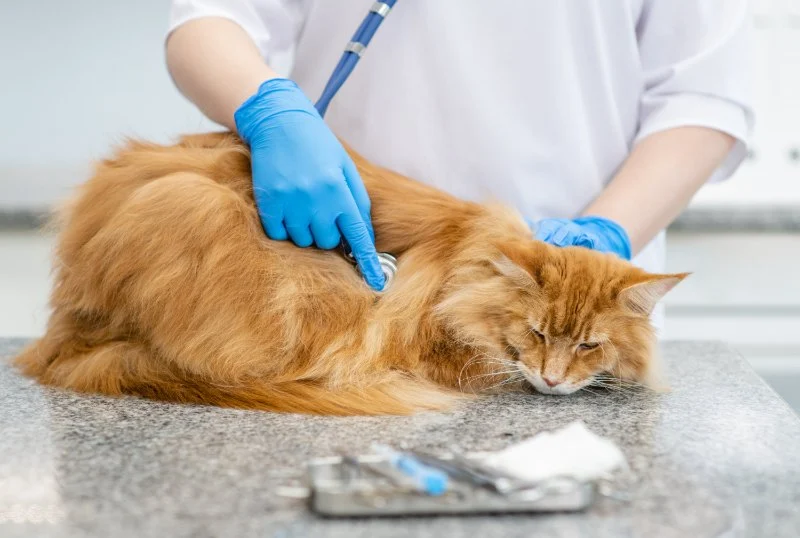
Most FIV testing for cats begins with a simple blood test. Rapid in-clinic tests can provide initial results within minutes, while laboratory tests offer confirmation.
These tests detect antibodies rather than the virus itself, which is why follow-up testing may sometimes be necessary, especially in newly exposed kittens.
Why Timing Matters in Test Accuracy
After exposure, it may take weeks or even months for antibodies to become detectable. This “window period” is important for veterinarians to consider when interpreting results.
Because of this, repeat testing is often recommended in high-risk cases or recently rescued cats.
Real-Life Scenario: The Rescue Cat That Changed a Family’s Routine
A family in Manchester adopted a young rescue cat from a local shelter. The cat seemed perfectly healthy and playful. During a routine wellness check, the vet recommended FIV testing for cats due to unknown history.
The result came back positive. While initially surprising, the diagnosis allowed the family to adapt early—keeping the cat indoors, scheduling regular vet checkups, and ensuring it lived a stress-free life. Years later, the cat remained active and affectionate, proving that early knowledge makes a meaningful difference.
Living With a Cat After an FIV Diagnosis
Creating a Safe and Low-Stress Environment
Cats with FIV benefit from calm, stable environments. Stress can weaken the immune system further, so maintaining consistency in routine is essential.
Indoor living is often recommended to reduce exposure to pathogens and prevent injuries from outdoor encounters.
Nutrition and Immune Support Strategies
A balanced diet plays a key role in managing FIV-positive cats. High-quality protein, hydration, and vet-approved supplements can support immune function.
Veterinarians often adjust dietary recommendations based on the cat’s age, condition, and overall health status.
Why Testing Protects Entire Cat Communities
The benefits of FIV testing for cats extend beyond individual pets. In shelters, breeding environments, and neighborhoods with feral populations, testing helps control spread and improve overall feline health standards.
By identifying infected cats early, communities can reduce transmission cycles and improve adoption outcomes.
When and How Often Should Cats Be Tested
Veterinarians in the UK typically recommend testing new cats, especially rescues or outdoor pets. Re-testing may be advised after potential exposure or changes in health condition.
Regular screening is particularly important for cats that roam outdoors or interact with unknown animals.
Where Pet Owners Can Learn More and Get Support
For cat owners seeking guidance on feline health, testing options, and care strategies, platforms like RegPets provide helpful resources and product recommendations tailored to pet wellness needs.
The Value of Early Awareness in Feline Health
Ultimately, understanding FIV testing for cats empowers owners to act early rather than react late. With proper screening, even a serious condition like feline immunodeficiency virus can be managed effectively, allowing cats to live long and fulfilling lives.





 Ribble Vets Wesham4.0 (66 reviews)
 Brighouse Veterinary Centre Ltd4.0 (292 reviews)
 Willows Veterinary Centre, South Shields Surgery4.0 (137 reviews)
 The Blue Whippet4.0 (74 reviews)
 Ards Veterinary Clinic (ACE Vets)4.0 (204 reviews)
 Two Rivers Cattery5.0 (18 reviews)
 UK Pet Owner’s Guide to Preventive Care for Rabbits: Tips for a Healthy Pet
 Top 10 Seasonal Health Tips Every Reptile Owner in the UK Should Know
 How to Choose the Right Pet Food for Your Dog or Cat in the UK
 Expert Vet Advice on Preventive Care for Senior Pets
 Puppy and Kitten Care Tips for Dogs: What UK Pet Owners Need to Know
 The Importance of Common Illnesses for Guinea Pigs – UK Edition | RegPets