
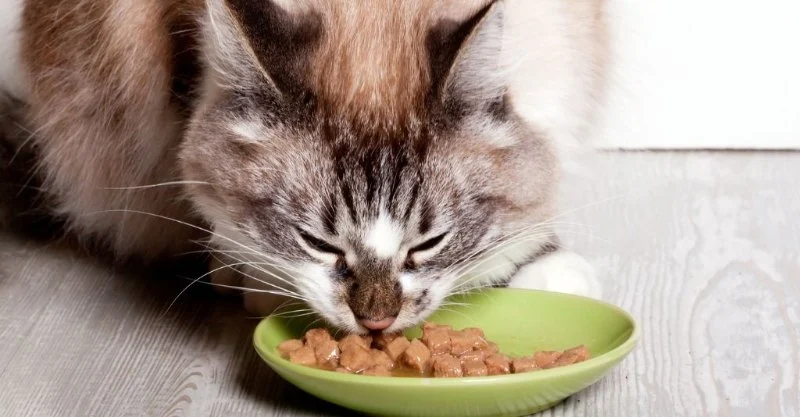
Feeding a Cat with Thyroid Imbalance: Practical Nutrition Guidance for Everyday Care
- Cat Hyperthyroidism Diet Basics - How thyroid disease affects nutrition needs
- What to Feed a Hyperthyroid Cat - Safe and supportive food choices
- Low Iodine Diet Considerations - UK feeding strategies and limitations
- Real-Life Feeding Stories - Cat owner experiences and outcomes
- Long-Term Diet Management - Building a sustainable feeding routine
Understanding Cat Hyperthyroidism and Why Diet Matters
Cat hyperthyroidism is one of the most common endocrine conditions in older felines, especially in the UK where senior cat populations are increasing. It occurs when the thyroid gland produces excessive hormones, speeding up metabolism and affecting weight, appetite, and energy levels.
A proper cat hyperthyroidism diet plays a supportive role alongside veterinary treatment. While food alone cannot cure the condition, it can help stabilize energy levels, maintain muscle mass, and support overall well-being.
How Thyroid Disease Changes Nutritional Needs
Cats with hyperthyroidism burn energy faster than normal. This often leads to weight loss despite increased appetite. Because of this, they require nutrient-dense meals that support muscle retention and metabolic balance without overloading the thyroid system.
In many UK veterinary cases, diet management becomes a key part of long-term care, especially when medication or radioactive iodine therapy is not immediately used.

What Should I Feed My Cat with Hyperthyroidism? Core Diet Principles
1. High-Quality Protein for Muscle Maintenance
One of the most important answers to “what should I feed my cat with hyperthyroidism” is protein-rich food. Cats lose muscle mass quickly due to accelerated metabolism, so high-quality animal protein helps maintain strength and body condition.
Chicken, turkey, and certain fish-based diets (carefully selected) are commonly used in feline thyroid support diets. However, balance is essential to avoid unnecessary metabolic stress.
2. Controlled Fat and Energy Intake
While calories are important, excessive fat intake can strain digestion. Instead, balanced fat sources help maintain energy without worsening weight fluctuations.
3. Hydration and Wet Food Preference
Wet food is often recommended in hyperthyroidism in cats diet management because it improves hydration and supports kidney function—especially important since thyroid disease can affect multiple organ systems.
Low Iodine Cat Food UK Considerations
Understanding Iodine Restriction
Low iodine cat food UK recommendations are based on reducing thyroid hormone production, since iodine plays a key role in hormone synthesis. However, this approach must be carefully managed and usually requires veterinary supervision.
Not all cats are suitable for strict iodine-restricted diets. Some UK veterinary clinics use prescription-only diets that are formulated precisely for thyroid control.
Challenges of Home-Prepared Diets
While some owners attempt homemade cat hyperthyroidism diet plans, it is extremely difficult to balance iodine accurately without professional guidance. Over-restriction or imbalance can lead to nutritional deficiencies.
This is why many veterinarians recommend structured commercial diets instead of DIY feeding plans unless carefully supervised.
Real Case Study: A UK Cat Named Oliver
Oliver, a 12-year-old tabby from Manchester, began losing weight rapidly despite eating more than usual. His owner initially thought it was age-related, but a vet visit confirmed hyperthyroidism.
The treatment plan included medication and a shift to a controlled feline thyroid support diet. Within three months, Oliver’s energy stabilized, and he regained muscle mass.
His owner later shared that switching to a structured feeding routine made daily care easier and reduced stress around meal planning.
Best Food for Hyperthyroid Cats: Practical Choices
1. Prescription Veterinary Diets
These diets are scientifically designed to support thyroid balance and are often the safest option for long-term management.
2. Balanced Commercial Wet Foods
High-quality wet foods with clear ingredient sourcing can be used when prescription diets are not required. They support hydration and weight stability.
3. Supplementary Feeding Approaches
Some owners include carefully selected supplements to support appetite, digestion, and coat health. However, these should always be approved by a veterinarian.
Feeding Routine Strategies for Stability
Consistent Meal Timing
Cats with thyroid disease benefit from structured feeding schedules. Regular meals help stabilize energy levels and reduce digestive stress.
Monitoring Weight and Appetite
Weekly weight tracking is important. Sudden changes may indicate that the current cat hyperthyroidism diet needs adjustment.
Adapting Portions Gradually
Rapid dietary changes can upset digestion. Gradual adjustments allow the body to adapt while maintaining nutritional balance.
Common Mistakes in Hyperthyroid Cat Feeding
Overfeeding Due to Increased Appetite
Many owners mistakenly overfeed because the cat appears constantly hungry. However, uncontrolled feeding can worsen metabolic imbalance.
Ignoring Veterinary Guidance
Self-managed diets without professional input can lead to nutritional gaps. Veterinary oversight ensures safe hyperthyroidism in cats diet management.
Switching Foods Too Frequently
Frequent diet changes can stress the digestive system and make it harder to track what is truly working for the cat’s condition.
Why Professional Guidance Matters in UK Cat Diet Management
In the UK, veterinary nutritionists play an important role in managing thyroid disease. They help tailor feeding plans based on age, weight, medication, and lifestyle.
For many cat owners, platforms like RegPets provide helpful educational resources and product guidance to support informed feeding decisions.
Proper dietary management does not replace medical treatment but significantly improves quality of life when combined with clinical care.
Building a Long-Term Feeding Plan for Thyroid Health
Consistency Over Complexity
A simple, consistent feeding plan is often more effective than complicated diet rotations. Stability supports metabolic balance in hyperthyroid cats.
Regular Veterinary Checkups
Routine blood tests help monitor thyroid hormone levels and ensure the diet remains effective over time.
Adjusting with Age and Condition
As cats age, their nutritional needs change. A flexible approach ensures long-term comfort and health stability.



 Grove Veterinary Centre4.0 (381 reviews)
 KARENANNE DEVON REX CATS4.0 (2 reviews)
 Barwell Cattery4.0 (21 reviews)
 The Vet Ltd t/a Purple Vet4.0 (125 reviews)
 Wilson Veterinary Group, Bishop Auckland4.0 (347 reviews)
 Ribble Vets Leyland4.0 (19 reviews)
 htmlCopy codeHow to Improve Dogs Adoption Guide at Home
 How to Manage Your Pet’s Weight and Prevent Obesity: Expert Tips for Pet Owners
 UK Pet Owner’s Guide to Spaying and Neutering for Fish – Expert Advice
 Top 10 Puppy and Kitten Care Tips Every Kitten Owner in the UK Should Know
 Vet-Approved Allergy Care for Guinea Pigs: Best Practices and Tips
 The Importance of Nutrition Tips for Guinea Pigs – UK Edition