
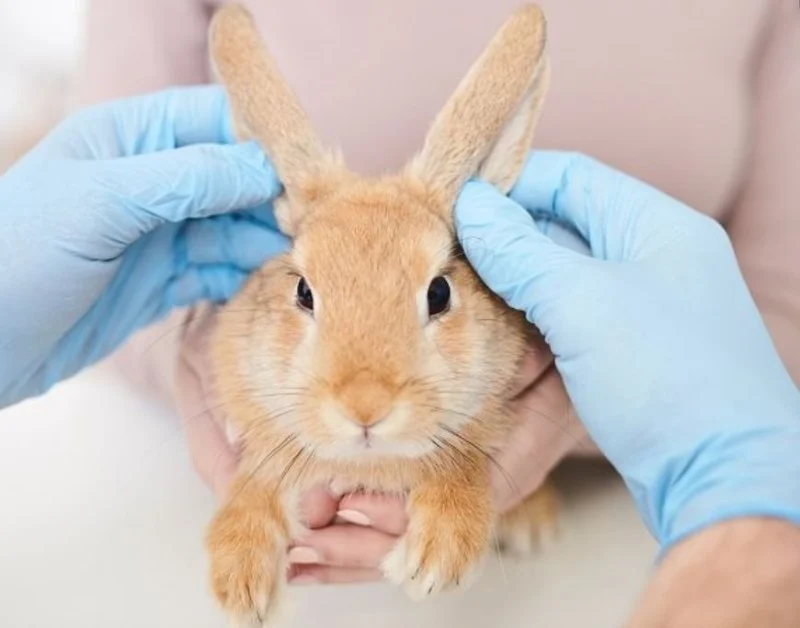
- Importance-of-Rabbit-Mental-Health-in-the-UK
- Understanding-Rabbits-Social-and-Emotional-Needs
- Environmental-Enrichment-for-Healthy-Rabbits
- Recognising-Signs-of-Stress-and-Anxiety
- Building-a-Healthy-Daily-Routine
Importance of Rabbit Mental Health in the UK
Understanding the Top 10 Mental Health Every Rabbits Owner in the UK Should Know is essential for anyone caring for pet rabbits. While many owners focus on food and housing, mental wellbeing plays an equally important role in a rabbit’s overall health. Rabbits are intelligent and social animals, and without proper mental stimulation they can quickly develop stress-related behaviours.
In the UK, animal welfare organisations have increasingly highlighted the emotional needs of rabbits. Many behavioural problems such as chewing, digging excessively, or withdrawal are often linked to boredom or loneliness rather than physical illness.
1. Why Mental Wellbeing Matters
Rabbits rely heavily on environmental stability and social interaction.
1.1 Emotional Sensitivity
Rabbits are prey animals, meaning they are naturally cautious. Sudden changes in routine or environment can create anxiety.
1.2 Behaviour as Communication
Unusual behaviour often signals emotional distress rather than disobedience.
2. Common Mental Health Challenges
UK rabbit owners often encounter similar issues.
2.1 Isolation
Rabbits kept alone frequently show signs of depression or inactivity.
2.2 Lack of Stimulation
Limited space or toys can lead to destructive behaviours.
Many owners explore enrichment options and care guides through RegPets when learning how to improve rabbit wellbeing.
Understanding Rabbits Social and Emotional Needs
Social interaction is one of the most important aspects of rabbit mental health.
3. Rabbits Need Companionship
Keeping rabbits in compatible pairs often improves emotional wellbeing.
3.1 Bonded Pairs
Bonded rabbits groom each other and rest together, reducing stress.
3.2 Reduced Loneliness
Rabbits living with companions are usually more active and curious.
4. Gentle Human Interaction
Owners also play a key role in emotional health.
4.1 Building Trust
Spending quiet time near rabbits helps them feel secure.
4.2 Respecting Boundaries
Allow rabbits to approach voluntarily instead of forcing interaction.
5. Safe Spaces
Rabbits need areas where they feel protected.
5.1 Hiding Areas
Tunnels and enclosed spaces reduce anxiety.
5.2 Quiet Environments
Minimising loud noises helps maintain calm behaviour.
Environmental Enrichment for Healthy Rabbits
Mental stimulation keeps rabbits active and engaged.
6. Space to Explore
Limited movement affects mental health.
6.1 Indoor Exercise Areas
Free-roaming rabbits often show more natural behaviour.
6.2 Outdoor Runs
Secure outdoor spaces provide variety and stimulation.
7. Chewing and Digging Activities
Natural behaviours must be encouraged.
7.1 Safe Chew Materials
Untreated wood and hay-based toys support healthy chewing.
7.2 Digging Boxes
Boxes filled with paper or soil allow rabbits to dig safely.
8. Mental Stimulation Through Feeding
Food-based enrichment promotes curiosity.
8.1 Scatter Feeding
Spreading pellets encourages foraging behaviour.
8.2 Puzzle Feeders
Simple feeders make rabbits work for treats.
Recognising Signs of Stress and Anxiety
Early recognition of mental health issues helps prevent serious problems.
9. Behavioural Warning Signs
Changes in behaviour often indicate stress.
9.1 Withdrawal
Rabbits that hide constantly may be anxious.
9.2 Aggression
Biting or lunging may signal fear or frustration.
10. Real Owner Experience
A rabbit owner in Manchester noticed that her rabbit became inactive and stopped exploring. After introducing a bonded companion and expanding the enclosure space, the rabbit gradually returned to normal behaviour. This experience highlights how mental wellbeing directly affects physical health.
11. Environmental Triggers
External factors often cause stress.
11.1 Temperature Changes
Extreme weather conditions can make rabbits uncomfortable.
11.2 Household Disruptions
Moving furniture or introducing new pets may create anxiety.
Building a Healthy Daily Routine
Consistency helps rabbits feel secure.
12. Predictable Feeding Times
Regular schedules reduce anxiety.
12.1 Morning Feeding
Starting the day with fresh hay and vegetables supports routine.
12.2 Evening Interaction
Quiet evening time allows rabbits to socialise safely.
13. Balanced Activity and Rest
Healthy routines include both play and relaxation.
13.1 Active Periods
Rabbits are naturally active during dawn and dusk.
13.2 Calm Resting Areas
Soft bedding areas encourage relaxation.
Supporting rabbit mental health involves understanding social needs, providing enrichment, and maintaining consistent routines. With thoughtful care, rabbits can develop confident behaviour and live healthier, happier lives.





 Home Comforts Mobile Vets4.0 (109 reviews)
 Doughty's Reptiles0.0 (0 reviews)
 MLYWARD BIRMANS.4.0 (11 reviews)
 The Physio Corner4.0 (12 reviews)
 Vets Now Gateshead4.0 (541 reviews)
 Bridge Veterinary Group - Billingham4.0 (57 reviews)
 The Ultimate Guide to Vaccinations for Dogs and Cats in the UK
 Complete Guide to Health Checkups for Reptiles
 How to Improve Senior Pets Seasonal Health Tips at Home
 Recognising Symptoms of Allergies in Dogs and Cats Across the UK
 Exercise and Fitness Explained: Keeping Your Exotic Pets Healthy in the UK
 Emergency Vet Advice: Keeping Your Reptiles Healthy in the UK