
- #Understanding-Guinea-Pig-Allergies-and-Why-They-Happen
- #Common-Signs-and-Symptoms-to-Watch-For
- #Vet-Approved-Allergy-Care-for-Guinea-Pigs-at-Home
- #Environmental-Triggers-in-UK-Homes
- #A-Real-Story-From-a-Guinea-Pig-Owner
- #When-to-Seek-Professional-Veterinary-Advice
- #Long-Term-Allergy-Management-Strategies
- #Finding-Support-and-Trusted-Pet-Care-Resources
Understanding Guinea Pig Allergies and Why They Happen
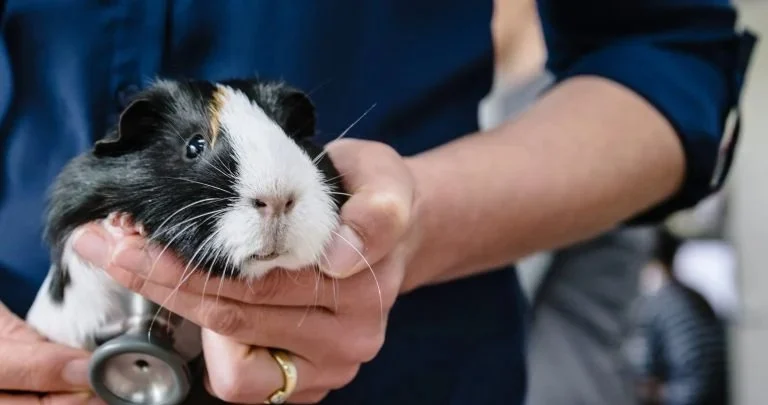
Guinea pigs are gentle, social pets that quickly become part of the family, but they can sometimes develop sensitivities that affect their comfort and health. Learning about vet-approved allergy care for guinea pigs is especially important for pet owners across the UK, where indoor living, bedding choices, and seasonal changes can all influence allergies.
1. Why Allergies Develop
Just like humans, guinea pigs can react to dust, certain bedding materials, cleaning products, or even specific foods. Their respiratory systems and skin are sensitive, making them more prone to irritation in environments that seem harmless.
2. The Role of Environment
Many UK homes rely on central heating for long periods during colder months. While this keeps homes warm, it can also increase indoor dust levels, which may trigger allergic reactions.
3. Why Early Attention Matters
Addressing allergy symptoms early can prevent discomfort from becoming a more serious health concern. Gentle observation and consistent care are key to keeping your pet happy.
Common Signs and Symptoms to Watch For
Recognising guinea pig allergy symptoms early helps ensure your pet receives proper care. Many signs are subtle at first but become more noticeable over time.
1. Persistent Scratching
If a guinea pig scratches more often than usual, especially around the ears or neck, it could indicate skin irritation or sensitivity to bedding or dust.
2. Sneezing and Watery Eyes
Frequent sneezing or slight eye discharge can suggest environmental allergies. These symptoms are often mistaken for minor irritation but may point to an ongoing issue.
3. Changes in Skin or Fur
Dry patches, redness, or thinning fur can be signs of a reaction to allergens in the cage environment.
Vet-Approved Allergy Care for Guinea Pigs at Home
Providing vet-approved allergy care for guinea pigs often starts with simple adjustments at home. Small changes can make a noticeable difference in their comfort and well-being.
1. Choosing Gentle Bedding Materials
Switching to dust-free bedding can help reduce irritation. Many guinea pigs react to heavily processed wood shavings, which may contain fine particles.
2. Keeping the Living Area Clean
Regular cage cleaning helps minimise dust and allergens. Consistent maintenance reduces exposure to irritants that may trigger symptoms.
3. Monitoring Diet and Fresh Hay
Hay is essential for guinea pigs, but some types may produce more dust than others. Offering fresh, high-quality hay can support better respiratory comfort.
Environmental Triggers in UK Homes
Understanding the typical indoor environment in the UK can help owners identify possible allergy triggers.
1. Seasonal Changes
During colder months, closed windows and increased heating can trap allergens indoors. This may lead to increased sneezing or skin irritation.
2. Household Cleaning Products
Strong cleaning sprays or scented products can affect sensitive animals. Even products that smell pleasant to humans can irritate a guinea pig’s respiratory system.
3. Dust Build-Up
In smaller living spaces, dust can accumulate quickly, especially around cages and bedding areas.
A Real Story From a Guinea Pig Owner
A UK pet owner once shared how their guinea pig suddenly began sneezing and scratching more than usual. At first, they assumed it was just a reaction to colder weather.
1. The Discovery
After observing closely, they noticed symptoms worsened after changing bedding brands. The new bedding produced more dust than expected.
2. The Adjustment
Switching to a softer, dust-reduced option and cleaning the cage more frequently helped reduce symptoms within a few weeks.
3. The Outcome
This experience showed how small environmental changes can have a big impact on a guinea pig’s health.
When to Seek Professional Veterinary Advice
While many allergy issues can be managed at home, some situations require expert care. Knowing when to consult a professional is an important part of responsible pet ownership.
1. Persistent Symptoms
If sneezing, scratching, or skin changes continue despite environmental adjustments, a vet can help identify underlying causes.
2. Sudden Behaviour Changes
Reduced appetite or unusual lethargy may signal discomfort that needs professional attention.
3. Accurate Diagnosis
A veterinary professional can rule out infections or other conditions that may look similar to allergies.
Long-Term Allergy Management Strategies
Caring for allergic guinea pigs is often about consistency rather than quick fixes. Creating a stable, clean environment can greatly improve quality of life.
1. Regular Habitat Maintenance
Routine cleaning and replacing bedding helps control dust and allergens.
2. Stable Indoor Conditions
Keeping living spaces well-ventilated and free from strong scents supports healthier air quality.
3. Gentle Observation
Monitoring changes in behaviour, fur, or breathing helps detect issues early.
Finding Support and Trusted Pet Care Resources
Learning about vet-approved allergy care for guinea pigs gives owners the confidence to support their pets through small challenges. Every guinea pig is unique, and finding the right balance of care can make a big difference.
1. Staying Informed as an Owner
Understanding your pet’s needs helps create a safe and comfortable home environment.
2. Choosing Quality Care Products
Selecting suitable bedding, hay, and cleaning supplies plays an important role in reducing allergic reactions.
3. Exploring Reliable Guidance
Many pet owners turn to RegPets to discover helpful product suggestions, care resources, and trusted services that support the health and comfort of guinea pigs living with sensitivities.

 Four Feet Retreat4.0 (50 reviews)
 Jollyes Pet Clinic - Banbridge0.0 (0 reviews)
 Pepperfield Farm Hedgehog Rescue4.0 (27 reviews)
 Lagan Valley Vets4.0 (72 reviews)
 Valley View Cats5.0 (7 reviews)
 Mutt & Moggy5.0 (8 reviews)
 Expert Vet Advice on Exercise and Fitness for Rabbits
 Essential Tips for Caring for Senior Pets in the UK
 Seasonal Health Tips for Cats: What UK Pet Owners Need to Know
 UK Pet Owner’s Guide to Exercise and Fitness for Fish
 The Importance of Behaviour Training for Kittens in the UK: A Complete Guide
 How Often Should You Take Your Pet for a Health Checkup? | UK Pet Care Guide