
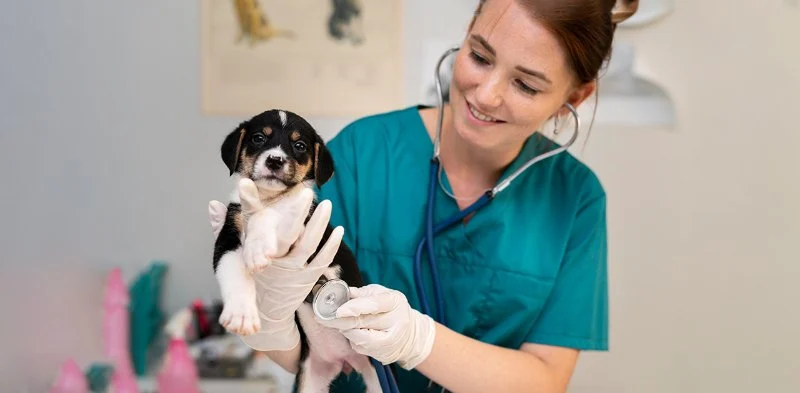
Best Practices for Spaying and Neutering in Puppies
Spaying and neutering are essential aspects of responsible pet ownership. These procedures not only help reduce overpopulation but also contribute to your puppy’s long-term health and behaviour. Whether you're considering spaying or neutering your puppy for the first time or seeking advice on the best practices, this guide will walk you through everything you need to know to ensure your puppy receives the best care.
- The Benefits of Spaying and Neutering
- The Ideal Timing for Spaying and Neutering
- Health Considerations and Risks
- Aftercare Tips for Spaying and Neutering
1. The Benefits of Spaying and Neutering
Spaying (for females) and neutering (for males) puppies offer several benefits, not only for the individual animal but also for the wider community. Here’s why these procedures are vital:

Prevents Unwanted Litters
One of the primary reasons for spaying and neutering is to prevent unplanned litters. With so many pets in shelters already, spaying and neutering play a crucial role in reducing overpopulation, which helps alleviate pressure on animal rescue organizations.

Health Benefits
Spaying and neutering your puppy can reduce the risk of certain health issues. Female puppies that are spayed before their first heat cycle are less likely to develop uterine infections or mammary cancer later in life. Male puppies that are neutered are less likely to develop testicular cancer and may have a reduced risk of prostate problems.
Behavioural Benefits
Spaying and neutering also have positive effects on behaviour. Neutered males are less likely to exhibit aggressive behaviours or engage in marking territory. Spayed females won’t go into heat, reducing the likelihood of behaviours such as yowling or restlessness.
2. The Ideal Timing for Spaying and Neutering
The ideal age for spaying or neutering your puppy depends on various factors, including breed, size, and overall health. Most veterinarians recommend spaying or neutering puppies between the ages of 6 and 9 months, but some factors may affect the best time for your individual pet.
Small vs Large Breeds
For small breed puppies, spaying or neutering around 6 months of age is generally safe and effective. However, for larger breeds, waiting until they are closer to 9-12 months may be better. Larger dogs take longer to mature, and delaying the procedure can help them develop more fully, particularly in terms of bone growth and muscle mass.
Consulting Your Veterinarian
It’s essential to consult with your veterinarian about the ideal timing for spaying or neutering your puppy. They will consider factors such as your puppy’s growth rate, health status, and breed-specific considerations to recommend the right time for the procedure.
3. Health Considerations and Risks
While spaying and neutering are generally safe procedures, it’s essential to be aware of potential risks and health considerations.
Potential Risks
As with any surgery, there are some risks involved in spaying or neutering, including anaesthesia complications, infection, or bleeding. However, these risks are minimal, especially when performed by an experienced veterinarian in a proper setting.
Long-Term Health Effects
In some cases, early spaying and neutering can increase the risk of certain health conditions, such as hip dysplasia or certain types of cancer. However, research has shown that the benefits generally outweigh these risks, and many veterinarians now recommend spaying and neutering puppies at a younger age to help reduce the risks of overpopulation and certain health issues.
4. Aftercare Tips for Spaying and Neutering
After your puppy’s spaying or neutering procedure, proper aftercare is essential to ensure a smooth recovery. Here are some helpful tips for aftercare:
Keep Your Puppy Calm
Following surgery, your puppy may feel groggy or uncomfortable. Keep them in a calm, quiet environment for a few days to help them recover. Avoid any strenuous activity or play, as this could cause complications with their stitches or surgical site.
Monitor for Complications
It’s important to monitor your puppy’s incision site for any signs of infection, such as redness, swelling, or discharge. If you notice any unusual symptoms, contact your vet immediately.
Follow-Up Veterinary Visits
Ensure you attend any follow-up visits scheduled by your veterinarian. These visits are crucial for checking on your puppy’s recovery and addressing any concerns that may arise post-surgery.
By following these best practices, you can ensure that your puppy receives the best care when it comes to spaying or neutering. If you’re looking for additional advice or products related to caring for your pet, visit RegPets for the best recommendations on pet care products and services.



 Equine Veterinary Centre4.0 (37 reviews)
 Palace Pets4.0 (33 reviews)
 Bard Vets Ltd4.0 (15 reviews)
 Carrick Veterinary Group - Chesterfield4.0 (120 reviews)
 Pets at the Howlin4.0 (31 reviews)
 Poochie Pantry Sherburn Pet Supplies, Delivery, Click and Collect or Shopping by Appointment4.0 (13 reviews)
 How to Fix Pet Anxiety and Stress – Vet’s Advice on Managing Your Pet’s Stress
 How to Improve Puppies Spaying and Neutering at Home
 Vet-Approved Dental Care for Senior Pets
 Complete Guide to First Aid Tips for Cats
 How Often Should You Take Your Pet for a Health Checkup in the UK?
 How to Improve Exotic Pets Dental Care at Home: Essential Tips