
UK Pet Owner's Guide to Health Checkups for Puppies
- 1. Why Health Checkups Are Important for Puppies
- 2. Key Health Checkups for Puppies
- 3. Vaccinations and Preventative Care
- 4. Common Puppy Health Issues to Watch For
- 5. When to Schedule Vet Visits for Puppies
1. Why Health Checkups Are Important for Puppies
As a new puppy owner in the UK, ensuring your puppy is healthy from the start is crucial for their long-term well-being. Regular health checkups are essential in catching potential health problems early, giving you the opportunity to treat them before they become more serious.
Puppies go through rapid growth during their first year, and just like humans, they need regular checkups to make sure they're developing properly. Health checkups help ensure that your puppy is free from infections, parasites, and any congenital issues that may arise. These visits also allow you to establish a strong relationship with your vet, ensuring the best care for your furry friend.

2. Key Health Checkups for Puppies
As your puppy grows, there are several key health checkups that your vet will recommend to keep them in optimal health. Below are the most important health assessments you should ensure are done:

Puppy Vet Exam
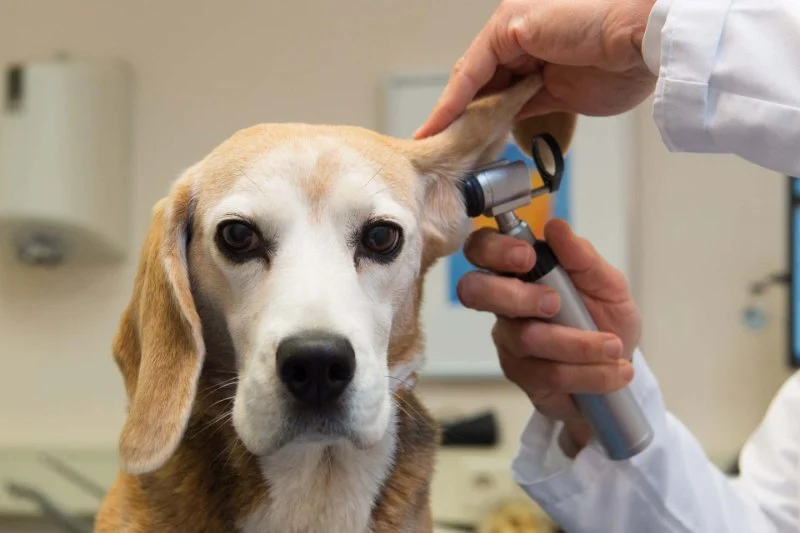
Your puppy's first vet exam is critical and should take place as soon as you bring them home, usually within the first few weeks. During this exam, the vet will check your puppy for any early signs of diseases or health conditions. They will also start the process of vaccination and deworming.
Dental Checkup
Puppies, like humans, need to have their teeth and gums checked regularly. Your vet will examine your puppy's teeth and gums for signs of gum disease, dental malocclusions (misaligned teeth), or other dental issues. It’s important to start dental care early on to avoid serious dental problems later in life.
3. Vaccinations and Preventative Care
Vaccinations are an essential part of your puppy’s health. In the UK, puppies should receive a series of vaccinations to protect against common and serious diseases such as distemper, parvovirus, and leptospirosis. Vaccination schedules vary, but typically start at around eight weeks old and are followed up with boosters at various points during the first year.
Alongside vaccinations, preventive care includes parasite control (for fleas, ticks, and worms), as well as spaying or neutering. These preventative measures ensure your puppy grows up healthy and protected from common illnesses and infestations.
4. Common Puppy Health Issues to Watch For
As a puppy grows, there are several common health issues that you should be aware of. Early detection of these problems can save your puppy from more serious health issues down the line. Some of the most common issues include:
Intestinal Parasites
Intestinal parasites such as worms are common in puppies. Your vet will conduct routine fecal tests to check for parasites and provide treatment as necessary. Worming treatment is an essential part of your puppy’s health plan.
Hip Dysplasia
Certain breeds are prone to hip dysplasia, which can lead to discomfort and arthritis later in life. Regular checkups and early screenings can help catch this condition early, and your vet can offer advice on how to manage it if it’s diagnosed.
Skin Issues
Skin problems like itching, redness, and hotspots can indicate allergies, infections, or parasites. Regular checkups will help identify these issues before they become more severe.
5. When to Schedule Vet Visits for Puppies
In addition to the initial vet visit and regular checkups, there are specific times you should schedule vet visits for your puppy:
After Vaccination
After your puppy has received its vaccination, a follow-up visit is necessary to ensure they are responding well to the vaccine and there are no side effects. It’s also an opportunity to assess your puppy’s overall health after the initial shots.
Spotting Growth Issues
As puppies grow quickly, any changes in their weight, behavior, or overall condition should prompt a vet visit. If you notice a lack of growth, lethargy, or changes in appetite, it's best to consult with your vet to rule out any underlying health issues.
Conclusion
Keeping your puppy healthy requires more than just love and attention—it involves proper vet checkups and timely medical care. In the UK, puppy owners should focus on regular health checkups to ensure their furry friends are growing strong and healthy. By keeping up with vaccinations, parasite prevention, and being aware of common health issues, you can help your puppy enjoy a long, healthy life.
For more information on pet care or to find the best products for your puppy’s health, visit RegPets for expert advice and recommendations.





 Carlton Hydrotherapy Centre4.0 (54 reviews)
 Pet Domain Armagh4.0 (15 reviews)
 Medivet Quarrington4.0 (186 reviews)
 Hillcrest Cattery4.0 (20 reviews)
 The Animal Garden4.0 (106 reviews)
 Vets for Pets - Scunthorpe4.0 (201 reviews)
 Vet Advice on Dealing with Pet Anxiety and Stress in the UK
 How to Spot Signs of Arthritis in Older Pets – UK Pet Owner’s Guide
 Common Vaccination Myths Debunked by UK Vets – Essential Facts for Pet Owners
 Dealing with Anxiety and Stress in Pets: Expert Vet Advice for UK Pet Owners
 The Importance of Skin and Coat Care for Senior Pets in the UK
 UK Pet Owner’s Guide to Preventive Care for Rabbits: Tips for a Healthy Pet