
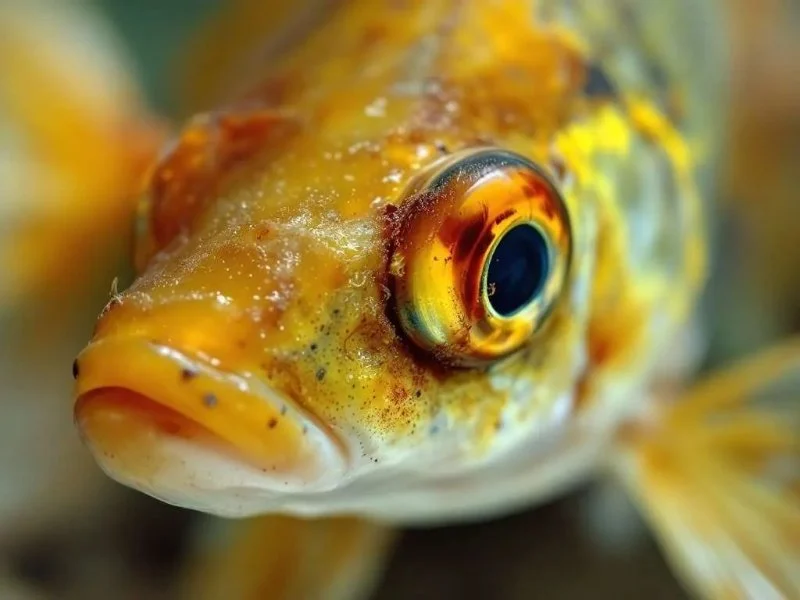
Top 10 Common Illnesses Every Fish Owner in the UK Should Know
Owning fish can be a rewarding and relaxing hobby, but it also comes with its own set of challenges. One of the most important aspects of fish care is understanding the common illnesses that can affect your aquatic pets. In the UK, fish owners need to be aware of the risks and take steps to prevent, detect, and treat illnesses effectively. This guide will highlight the top 10 common fish illnesses, offering insights into their symptoms, causes, and how you can best care for your fish.
- 1. Ichthyophthirius Multifiliis (White Spot Disease)
- 2. Fin Rot
- 3. Swim Bladder Disorder
- 4. Dropsy
- 5. Velvet Disease
- 6. Tail and Fin Rot
- 7. Columnaris
- 8. Anchor Worm
- 9. Fins and Skin Problems
- 10. Fungal Infections
1. Ichthyophthirius Multifiliis (White Spot Disease)
White Spot Disease, caused by the protozoan parasite Ichthyophthirius multifiliis, is one of the most common fish diseases in both freshwater and saltwater aquariums. It presents as small white cysts on the skin, gills, and fins of the fish. Symptoms include rubbing against objects, rapid gill movement, and lethargy. This illness is highly contagious and can be fatal if left untreated. The treatment involves raising the water temperature and using formalin or copper-based treatments. It’s important to quarantine infected fish to prevent spread to other tank mates.

2. Fin Rot
Fin rot is a bacterial infection that affects the fins and tail of fish. It is often caused by poor water quality or stress. Symptoms include frayed or disintegrating fins, and in severe cases, the tail or fins may be completely eroded. The treatment typically involves improving water quality, removing any dead plant matter, and administering antibiotics in the aquarium. Regular water changes and maintaining proper filtration can help prevent this illness.

3. Swim Bladder Disorder
Swim bladder disorder is a condition where a fish struggles to control its buoyancy. This can cause the fish to float uncontrollably, swim sideways, or struggle to stay upright. Causes include overfeeding, constipation, or bacterial infections. In mild cases, a change in diet or adjusting the fish's feeding schedule can help. In more severe cases, antibiotics may be necessary. Providing a varied, balanced diet can prevent this issue from occurring.
4. Dropsy
Dropsy is a condition where the fish's abdomen swells due to fluid retention, making the scales stick out like a pinecone. It can be caused by internal infections, poor water quality, or organ failure. Although dropsy is often a sign of a more serious underlying condition, it can sometimes be treated with antibiotics. However, the prognosis is generally poor, and prevention through good water management and tank hygiene is crucial.
5. Velvet Disease
Velvet disease is caused by a parasite called Oodinium. It leads to a velvety appearance on the fish’s skin, gills, and fins, often accompanied by heavy breathing and lethargy. Velvet disease thrives in aquariums with poor water conditions, and it can spread quickly among fish. Treatment includes increasing water temperature and using copper-based treatments, but early intervention is key to successful recovery.
6. Tail and Fin Rot
Similar to fin rot, tail and fin rot affects the edges of the fish's tail and fins. It is often caused by bacterial infections, particularly when the fish is stressed or exposed to poor water conditions. Infected fins may appear ragged or decayed. Treatment involves isolating the affected fish, improving water quality, and applying antibacterial treatments. Regular maintenance of the aquarium is vital to preventing this disease.
7. Columnaris
Columnaris, caused by the bacterium Flavobacterium columnare, often results in lesions or sores on the skin, fins, and gills. Fish may display unusual swimming patterns, difficulty breathing, and a pale appearance. This illness is highly contagious and can be fatal if not treated promptly. Treatment typically involves antibiotics and improving the water quality in the tank.
8. Anchor Worm
Anchor worms are parasitic crustaceans that attach to the fish's body, causing irritation, swelling, and sometimes infection. They are visible as small, white threads on the fish's skin, fins, or gills. To treat anchor worms, it is important to remove them manually, using a pair of fine tweezers, and to treat the water with a suitable anti-parasitic medication.
9. Fins and Skin Problems
Fins and skin problems are often caused by poor water quality, stress, or injury. Fish may develop sores, ulcers, or discolored patches on their fins and skin. It’s important to improve water quality, reduce stressors, and possibly administer topical treatments or antibiotics depending on the severity of the problem.
10. Fungal Infections
Fungal infections in fish can manifest as cotton-like growths on the skin, fins, or gills. These infections often occur when fish are stressed or injured. Treatment typically involves removing the infected fish to a separate quarantine tank and applying antifungal medications. Proper water filtration and cleanliness in the aquarium are key to preventing fungal infections.
Being aware of these common illnesses and taking the necessary precautions can help ensure your fish stay healthy and thrive in their environment. Regular tank maintenance, observing your fish closely, and seeking prompt treatment when needed are essential to maintaining a thriving aquarium.
For more advice on fish care and products, visit RegPets, where you'll find everything you need to keep your fish happy and healthy.




 HG Pets - Independent Harrogate Pet Shop & Dog Groomer5.0 (105 reviews)
 Animal Doctor4.0 (267 reviews)
 The Charlesworth Veterinary Surgery4.0 (193 reviews)
 Byre Veterinary Referrals5.0 (7 reviews)
 Thompsons Veterinary Surgery - Sutton-in-Ashfield4.0 (301 reviews)
 The Natural Pet Company4.0 (17 reviews)
 Best Practices for Mental Health in Exotic Pets: Expert Tips
 How Often Should You Take Your Pet for a Health Checkup in the UK?
 UK Pet Owner’s Guide to Nutrition Tips for Dogs
 Top 10 Puppy and Kitten Care Tips Every Bird Owner in the UK Should Know
 How to Fix Pet Anxiety and Stress – Vet’s Advice on Managing Your Pet’s Stress
 Best Practices for Skin and Coat Care in Fish: Keeping Your Aquarium Pets Healthy