
Pet Dental Check: What UK Owners Should Notice at Home
On this page
Quick answer
Check your pet's mouth only when they are relaxed and willing, starting with eating behaviour, breath, drooling, facial comfort and visible outer teeth or gums. Stop if they pull away, tense, growl, scratch, bite or seem painful. Call your UK veterinary practice about bad breath that is new or marked, red or bleeding gums, loose or broken teeth, swelling, drooling, dropped food, appetite change or one-sided chewing.
This guide is for UK owners preparing useful observations for a vet. It does not replace a veterinary oral examination. Dogs, cats, rabbits and other species have different dental anatomy and problems, and much of each tooth sits below the gum where it cannot be assessed safely at home.
Petlife International Ltd
South WithamLincolnshireEngland
4 Occupation Rd, South Witham, Grantham NG33 5PZ, UK
What a home check can and cannot do
A pet dental check at home is a brief, consent-based look for change from that animal's usual behaviour and visible mouth appearance. It can help you notice a problem and call sooner. It cannot grade dental disease, inspect tooth roots, rule out pain, diagnose an oral lump or confirm that professional cleaning is unnecessary.
Pets may continue eating despite dental discomfort, and some signs are subtle. A pet that finishes a meal may still chew on one side, swallow food with less chewing, avoid a hard item, pause at the bowl or groom less.
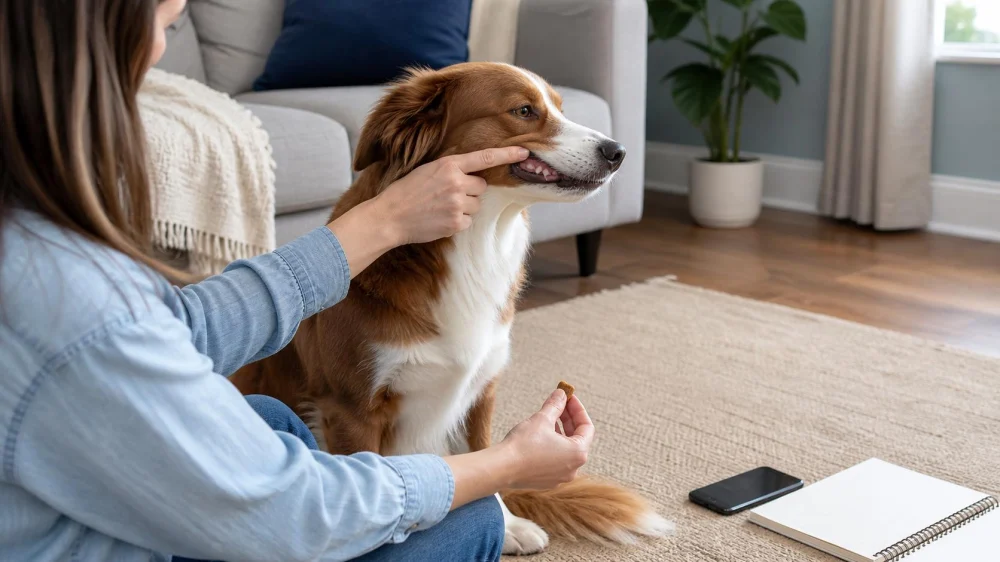
Never force the mouth open or place fingers between the teeth. A painful or frightened pet may bite without warning. If the pet does not already tolerate gentle lip handling, ask the veterinary team for reward-based training advice rather than attempting a full check.

Notice behaviour before looking in the mouth
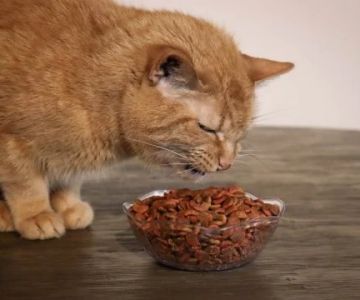
Observe a normal meal and quiet time without changing the food just to test the mouth. Note:
- hesitation at the bowl or approaching food then backing away;
- chewing on one side, dropping food or taking longer to eat;
- preference for softer food or avoiding a usual chew;
- reduced appetite, weight change or drinking changes;
- drooling, blood-tinged saliva or wet fur around the mouth;
- pawing or rubbing the face, head shyness or changed grooming;
- new or unusually strong breath odour;
- facial, jaw or under-eye swelling; and
- behaviour change such as hiding, irritability or reduced play.
Do not offer a hard chew, bone, stick or other object to see whether a tooth hurts. Hard items can fracture teeth, and a home test may worsen an existing injury.
How to take a gentle look
- Choose the right moment. Use a well-lit, quiet area when the pet is calm. Have another adult nearby only if their presence makes the pet more comfortable.
- Keep your face away. Sit to the side rather than leaning over the animal or bringing your face close to the mouth.
- Start outside. Look for unequal facial swelling, wetness, discharge or difficulty closing the mouth.
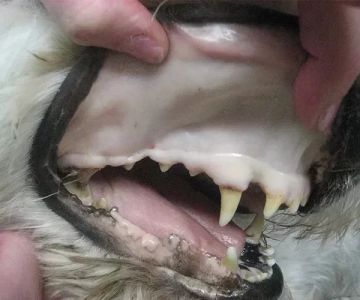
- Lift one lip briefly. Only if the pet already accepts this, expose the outer tooth and gum surface without forcing the jaw open.
- Compare with normal. Look for new redness, swelling, bleeding, a broken or missing tooth, brown hard deposits, a visible lump or material caught at the gumline.
- Stop early. End the check at the first sign of tension, avoidance or pain and reward calm cooperation if appropriate for the pet's diet.
Natural gum pigment varies. Do not use internet colour charts to diagnose circulation or illness. Pale, blue, grey, very dry or suddenly changed gums can be urgent and need veterinary advice, especially with weakness, breathing change, collapse or bleeding.
Record changes and call the vet
Write down when the change began, whether it is worsening, which side seems affected, food and water intake, drooling, breath change, recent trauma, chewing habits and any medicine already given. Take a brief video of eating or a photo of visible swelling only when you can do so without restraining or delaying care.
When calling, ask whether the pet needs a same-day appointment and what food or medicine instructions apply before arrival. Do not give human pain relief, leftover antibiotics, another pet's medicine or an oral gel unless a vet directs it for that animal.
At the appointment, ask what can be assessed while the pet is awake, whether dental X-rays or examination under anaesthesia are recommended, what treatment options and risks exist, and what the written estimate includes. The Royal College of Veterinary Surgeons states that owners should receive clear information about options, likely costs, common and serious risks and how a diagnosis may change after investigation.
Prevention questions for the practice
- Which toothbrush size and pet toothpaste are appropriate for this species and mouth?
- How should handling be introduced with rewards and without force?
- Are any teeth, gums, lumps, injuries or medical conditions reasons not to brush now?
- Which chews, diets or dental products are suitable, and which hard items should be avoided?
- How often should this individual pet receive a veterinary dental review?
- What signs should trigger an earlier appointment?
Do not scrape tartar with a household or purchased tool. The RCVS warns that anaesthesia-free dental procedures in cats and dogs cannot provide a full oral examination or effective below-gum cleaning and may cause pain, injury or delayed proper care. Professional recommendations depend on species and the individual mouth.
Important limits and urgent signs
Call a vet promptly for facial swelling, a broken tooth, bleeding, a mouth injury, marked pain, refusal of food, repeated dropping of food, significant drooling, a suspected object in the mouth or sudden difficulty opening or closing the jaw.
Seek emergency veterinary advice for breathing difficulty, collapse, severe bleeding, major facial trauma, suspected electrical burn, a string or object extending from the mouth that should not be pulled, or swelling that is progressing quickly. Use the practice's out-of-hours instructions when the regular clinic is closed.
Do not risk a bite to inspect an urgent problem. Transport the pet according to veterinary guidance and keep hands away from the mouth.
Sources and evidence notes
PDSA home health-check guidance advises checking the mouth only when the pet is comfortable and contacting a vet about broken, loose or stained teeth, drooling and signs of dental pain. The RCVS statement on anaesthesia-free dental procedures explains their diagnostic and treatment limitations. Individual veterinary advice takes priority.
Frequently asked questions
My pet is eating, so can dental pain wait?
No. Pets can continue eating despite discomfort. New bad breath, one-sided chewing, dropped food, drooling, face rubbing, swelling or a visible tooth change should be discussed with the vet.
Can I use human toothpaste?
No. Ask the veterinary team for a pet-safe product and species-appropriate brush. Human products may contain ingredients or foaming agents not intended to be swallowed by pets.
Should I touch a loose tooth to confirm it moves?
No. Touching can cause pain, bleeding or a bite and may worsen an injury. Photograph only what is safely visible and contact the vet.
Can a groomer scale tartar without anaesthesia?
Do not treat visible tartar removal as a substitute for veterinary dental assessment. RCVS guidance warns that anaesthesia-free procedures in cats and dogs miss below-gum disease and may cause harm or delay effective care.
How often should I check the mouth?
Use the frequency your vet recommends for the individual pet and pair brief observations with routine handling training. Never force a scheduled check when the animal is anxious or painful.
Next steps
Watch your pet eat a normal meal, note any change in chewing, drooling, breath, grooming or facial comfort, and lift a lip only if they willingly allow it. Record the timeline and call the veterinary practice about any new concern. At the visit, ask about full-mouth assessment, X-rays, treatment options, cost, aftercare and a species-specific preventive routine.
 Furbies Raw Store Ballymena5.0 (3 reviews)
 Melton Vets4.0 (260 reviews)
 Smith's Pets4.0 (26 reviews)
 Hall Court Veterinary Group4.0 (52 reviews)
 Furry Friends Petcare Services5.0 (22 reviews)
 Lakeview Cattery5.0 (49 reviews)
 Essential Tips for Caring for Senior Pets: Expert Advice for British Pet Owners
 Understanding Flea and Tick Prevention for Pets in the UK
 How Often Should You Take Your Pet for a Health Checkup in the UK?
 How to Improve Reptiles Behaviour Training at Home
 Top 10 Behaviour Training Every Guinea Pigs Owner in the UK Should Know
 Flea and Tick Prevention for Pets in the UK: Essential Guide