

1- Introduction to Caring for Senior Pets
As pets age, their needs change significantly. Senior pets require more attention, specialized care, and understanding to ensure their comfort and happiness. In this guide, we’ll explore the most important aspects of caring for elderly pets and how British pet owners can provide the best environment for their aging companions. By following these essential tips, you can help your senior pet live their golden years to the fullest.

2- Understanding the Health Changes in Senior Pets
Just like humans, pets undergo various health changes as they age. Their bodies may become more vulnerable to certain health issues, including arthritis, hearing loss, dental problems, and changes in vision. It’s crucial to be aware of these changes so you can act quickly if your pet shows signs of distress or discomfort.
For example, an older dog might start limping or have difficulty climbing stairs due to arthritis. Regular vet check-ups are essential for detecting these issues early. If you notice any sudden changes in behavior or mobility, a trip to the vet can ensure that your pet gets the care they need before the issue worsens.

3- Adjusting Diet and Nutrition for Senior Pets
As pets age, their nutritional needs evolve. Senior pets often require a diet that supports joint health, helps maintain a healthy weight, and provides adequate nutrients to prevent age-related diseases. Opt for high-quality food specifically formulated for older pets. These foods are rich in essential nutrients like omega-3 fatty acids, antioxidants, and fiber.
When transitioning your senior pet to a new diet, it’s essential to do so gradually to avoid digestive upset. If you're unsure about the best food for your pet, consider consulting with your vet to select the most suitable option based on your pet's specific health needs.
4- Exercise and Mental Stimulation for Senior Pets
Even though senior pets may not be as active as they were in their younger years, regular exercise is still essential for their overall health. Moderate activity helps maintain their muscle mass, supports healthy joints, and promotes mental well-being.
Keep exercise sessions short and tailored to your pet’s abilities. For example, older dogs may enjoy gentle walks around the neighborhood or playing with low-impact toys. Mental stimulation is just as important as physical exercise. Puzzle toys and interactive games can help keep your pet’s mind sharp and prevent cognitive decline.
5- Grooming and Hygiene Tips for Senior Pets
Grooming is an essential part of senior pet care. As pets age, they may require more frequent grooming sessions due to changes in their coat and skin. Regular brushing helps prevent matting, reduces shedding, and promotes healthy skin by improving circulation. Senior pets with arthritis may not be able to groom themselves as effectively, so providing extra attention to their grooming needs is important.
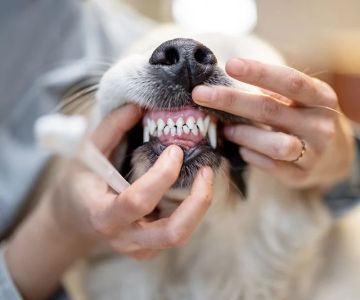
Additionally, older pets often experience dental problems such as tartar buildup, gum disease, or even tooth loss. Regular teeth cleaning, either by a vet or with specially designed dental products, is crucial for maintaining oral health in senior pets.
6- Regular Veterinary Check-ups for Senior Pets
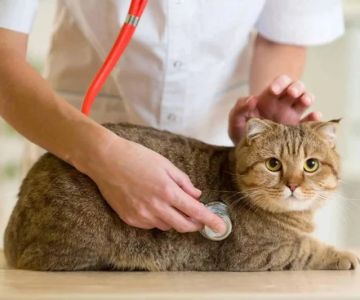
Regular vet visits become even more important as pets age. Senior pets should have a vet check-up at least twice a year, even if they appear to be healthy. These check-ups allow the vet to monitor any age-related health issues, such as kidney disease, diabetes, or heart conditions.
During these visits, your vet will conduct a thorough examination and may recommend blood tests or other diagnostics to detect potential problems early. The sooner health issues are identified, the better the chance of successful treatment.
7- Providing Comfort and a Safe Environment for Senior Pets
Comfort is key for senior pets, and there are several ways you can enhance their living environment. Providing soft bedding in a quiet and warm area can help your pet rest comfortably. If your pet has mobility issues, consider using ramps or steps to help them reach their favorite spots, like the couch or bed.
Additionally, keep their living space free of obstacles that could cause them to trip or injure themselves. For example, removing slippery rugs, placing non-slip mats, and adjusting furniture layout can make your home safer for senior pets.
8- Recognizing When It's Time to Say Goodbye
One of the hardest aspects of owning a senior pet is recognizing when it's time to say goodbye. While every pet’s end-of-life journey is unique, there are common signs that may indicate your pet is suffering. These can include a significant decline in mobility, loss of appetite, or constant signs of pain or discomfort.
As hard as it may be, it’s essential to have open conversations with your vet about the best course of action for your pet's comfort and quality of life. If your pet’s suffering outweighs their ability to enjoy life, euthanasia may be the kindest option.
9- RegPets: Find the Best Products and Services for Your Senior Pet
At RegPets, we offer a wide range of products and services tailored to senior pets. Whether you're looking for specialized diets, orthopedic beds, or joint supplements, our store provides everything you need to ensure your senior pet’s well-being. Explore our website for more information and discover the best options for your beloved companion.



 Bradgate View Luxury Cat Hotel4.0 (38 reviews)
 Lucavet Veterinary Practice4.0 (101 reviews)
 Vets for Pets - Bishop Auckland4.0 (388 reviews)
 Aquatib4.0 (13 reviews)
 Newlands Cattery5.0 (14 reviews)
 Tweed House Vets4.0 (283 reviews)
 Dealing with Anxiety and Stress in Pets: Vet Advice on Managing Pet Stress
 Essential Tips for Caring for Senior Pets: Expert Advice for British Pet Owners
 Pet Dental Care: Why Regular Vet Visits Matter for Your Pet’s Oral Health
 Best Practices for Allergy Care in Senior Pets
 Top 10 Behaviour Training Every Guinea Pig Owner in the UK Should Know
 Common Health Issues in UK Pets and How to Prevent Them