
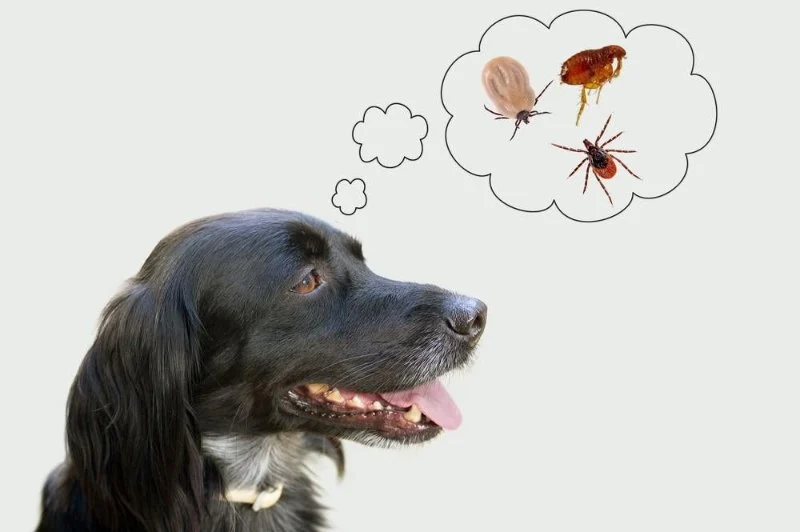
Understanding Flea and Tick Prevention for Pets in the UK
- 1. Importance of Flea and Tick Prevention
- 2. Common Flea and Tick-Related Diseases in Pets
- 3. Available Flea and Tick Prevention Methods
- 4. Choosing the Right Prevention for Your Pet
- 5. Signs That Your Pet Has Fleas or Ticks
1. Importance of Flea and Tick Prevention
In the UK, fleas and ticks are common pests that can cause significant health problems for your pets. Fleas not only cause itching and discomfort but can also transmit diseases such as tapeworms and flea allergy dermatitis. Ticks are particularly dangerous because they can carry diseases like Lyme disease, which can affect both pets and humans. Preventing these pests is crucial for the health of your pet, as well as for the safety of your home. Regular flea and tick prevention helps ensure that your pet remains healthy and free from these pests.

2. Common Flea and Tick-Related Diseases in Pets
Flea and tick infestations are not just about discomfort; they can lead to serious health issues. Fleas can cause severe skin irritation and allergic reactions in pets, and in some cases, they can lead to anemia in puppies and kittens. Ticks, on the other hand, are known to transmit diseases such as Lyme disease and babesiosis, which can lead to chronic health problems if left untreated. Both fleas and ticks can also affect the pet's behavior, causing anxiety and discomfort. Preventing these pests is essential to avoiding such health risks.

3. Available Flea and Tick Prevention Methods
There are several methods available to prevent fleas and ticks in pets, and your choice should depend on your pet’s lifestyle, environment, and health. Some of the most common methods include:
- Topical Treatments: These are applied directly to your pet's skin and provide long-lasting protection against fleas and ticks.
- Oral Medications: Given as chewable tablets or pills, these prevent fleas and ticks by entering your pet's bloodstream.
- Flea Collars: These collars release insecticides that repel and kill fleas and ticks. They are convenient and long-lasting.
- Flea Shampoos and Sprays: These can be used for immediate relief but are often not as long-lasting as other methods.
4. Choosing the Right Prevention for Your Pet
Choosing the best flea and tick prevention for your pet depends on various factors, including their age, size, and any existing health conditions. It is important to consult your vet before deciding on a treatment plan, especially if your pet has allergies or other medical conditions. For example, oral medications are often a good choice for dogs that are difficult to apply topical treatments to, while topical treatments may work better for pets that live outdoors or are exposed to more ticks. Your vet will help you choose the most appropriate and effective solution.
5. Signs That Your Pet Has Fleas or Ticks
It is essential to be vigilant and spot the signs of fleas or ticks early on. Common symptoms of flea infestations include:
- Excessive scratching, biting, or licking
- Hair loss or hot spots on the skin
- Red, irritated skin
- Visible fleas or flea dirt (black specks) in the fur
Ticks, on the other hand, are larger and may be found attached to the skin, particularly around the ears, neck, and paws. If you notice any of these symptoms, it is important to check your pet for fleas or ticks and start treatment as soon as possible to avoid further complications.
By understanding the risks and taking the proper steps to prevent fleas and ticks, you can help ensure your pet’s health and well-being. Regular prevention and early intervention can prevent severe health issues caused by these pests. For expert advice and effective prevention solutions, visit RegPets.




 Gone Barking5.0 (7 reviews)
 Peejay Pet Superstore Ltd4.0 (1173 reviews)
 Sheerbliss Cattery5.0 (19 reviews)
 Calcaria Veterinary Practice4.0 (90 reviews)
 Crookedstone Cattery0.0 (0 reviews)
 Apisto Aquatics5.0 (25 reviews)
 Top 10 Behaviour Training Every Reptile Owner in the UK Should Know
 Common Vaccination Myths Debunked by UK Vets
 How to Handle Emergency Situations with Your Pet | Pet Safety Tips
 Complete Guide to Nutrition Tips for Hamsters: What Your Pet Needs to Stay Healthy
 Dealing with Anxiety and Stress in Pets: Vet Advice for UK Pet Owners
 Top 10 Behaviour Training Every Guinea Pig Owner in the UK Should Know