
Understanding Guinea Pig Diets and Herb Safety
- -coriander-nutritional-profile-and-safety-#coriander-nutritional-profile-and-safety
- -vitamin-c-benefits-for-guinea-pigs-#vitamin-c-benefits-for-guinea-pigs
- -how-to-introduce-coriander-safely-#how-to-introduce-coriander-safely
- -portion-and-frequency-recommendations-#portion-and-frequency-recommendations
- -common-mistakes-to-avoid-#common-mistakes-to-avoid
- -other-safe-herbs-for-guinea-pigs-#other-safe-herbs-for-guinea-pigs
- -signs-of-allergic-reactions-or-digestive-issues-#signs-of-allergic-reactions-or-digestive-issues
- -real-life-examples-and-owner-experiences-#real-life-examples-and-owner-experiences
- -combining-herbs-with-balanced-diets-#combining-herbs-with-balanced-diets
- -final-tips-for-herb-feeding-and-healthy-guinea-pigs-#final-tips-for-herb-feeding-and-healthy-guinea-pigs
1. Coriander Nutritional Profile and Safety
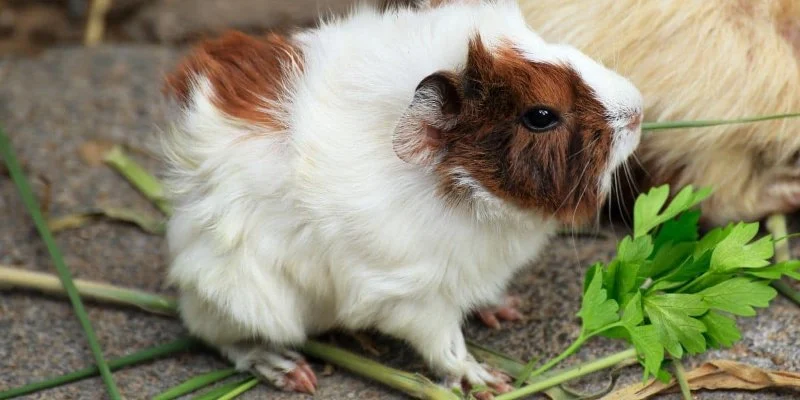
Coriander, also known as cilantro, is a leafy herb that contains essential vitamins and minerals beneficial for guinea pigs. It is naturally high in vitamin C, an essential nutrient for guinea pigs, which cannot produce it themselves. Offering coriander can supplement your guinea pig's diet and support immune health, skin condition, and overall vitality.
Safety is key: fresh, pesticide-free coriander is ideal. Avoid wilted or spoiled leaves, as these may upset your pet's digestive system. Moderation is crucial because overfeeding any herb can lead to digestive disturbances.
2. Vitamin C Benefits for Guinea Pigs
Vitamin C is essential for preventing scurvy in guinea pigs. Symptoms of deficiency include lethargy, joint pain, rough coat, and reduced appetite. Coriander provides a natural source of vitamin C, helping maintain healthy connective tissue, proper immune function, and overall wellness. Including coriander along with other vitamin C-rich vegetables like bell peppers or kale can create a balanced nutritional intake.
3. How to Introduce Coriander Safely
Start by offering a small leaf or two and monitor your guinea pig’s reaction for 24 hours. Look for signs of digestive discomfort such as diarrhea or bloating. If the guinea pig accepts coriander without issue, gradually increase the quantity while maintaining balance with hay and pellets.
Introduce new herbs one at a time, so you can easily identify any negative reactions. Combining herbs too quickly may confuse your pet's digestive system.
4. Portion and Frequency Recommendations
For a medium-sized guinea pig, 1–2 small coriander leaves per day is sufficient. Larger quantities may upset their stomach. Herbs should supplement, not replace, their primary diet of hay, fresh vegetables, and pellets. Feeding coriander two to three times a week is often ideal for long-term health benefits.
5. Common Mistakes to Avoid
Many owners mistakenly overfeed herbs, assuming more nutrients are better. Overfeeding coriander can cause loose stools, bloating, or nutritional imbalance. Another common mistake is introducing herbs that have been treated with pesticides or grown in contaminated soil. Always choose fresh, organic sources and rinse thoroughly before serving.
6. Other Safe Herbs for Guinea Pigs
Besides coriander, safe herbs include parsley, basil, mint, and dill. Each provides unique vitamins and minerals that promote health. For instance, parsley is rich in vitamin C, while mint may soothe digestion. Rotating herbs ensures your guinea pig receives diverse nutrients and reduces the risk of overconsumption of a single type.
7. Signs of Allergic Reactions or Digestive Issues
Observe your guinea pig after introducing coriander. Signs of adverse reactions include diarrhea, vomiting, loss of appetite, or skin irritation. While rare, allergies can occur. If any symptoms appear, discontinue feeding the herb and consult a veterinarian experienced with small animals.
8. Real-Life Examples and Owner Experiences
Many guinea pig owners report positive experiences after incorporating coriander. One owner noted their guinea pig became more active and exhibited shinier fur after regular small servings of coriander. Another owner combined coriander with other vitamin C-rich vegetables and observed fewer instances of lethargy during winter months.
Sharing these experiences highlights practical strategies for introducing herbs safely and effectively.
9. Combining Herbs with Balanced Diets
Coriander should complement a diet rich in hay, high-quality pellets, and a variety of vegetables. Combining herbs with vitamin C-rich foods enhances absorption and maximizes health benefits. Avoid high-calcium vegetables in excess, which may cause urinary tract issues. The goal is to provide a nutritionally complete diet that supports all aspects of health.
10. Final Tips for Herb Feeding and Healthy Guinea Pigs
Guinea pigs can safely enjoy coriander in moderation, benefiting from its vitamin C content and fresh flavor. Rotate herbs, monitor your pet for digestive issues, and maintain a balanced diet for optimal health. By understanding herb safety and nutritional needs, you ensure your guinea pig thrives and enjoys a varied, stimulating diet.
For the best selection of fresh, safe herbs and additional guinea pig care products, visit RegPets to provide your pets with high-quality options that enhance their health and happiness.



 Gilmoor Vets, Sunderland4.0 (85 reviews)
 Vets4Pets - Hull4.0 (606 reviews)
 Vets for Pets - Kendal4.0 (134 reviews)
 Robert I Raw5.0 (1 reviews)
 Norton Aquaria4.0 (96 reviews)
 Friends In Soggy Homes4.0 (342 reviews)
 Complete Guide to Preventive Care for Exotic Pets
 Can Dogs Eat Feta Cheese? Salty Dairy Risks and Safe Portion Control for Pets
 First Aid Tips for Guinea Pigs: What UK Pet Owners Need to Know
 Complete Guide to Common Illnesses for Puppies: Symptoms, Causes, and Treatments
 Top 10 Common Illnesses Every Fish Owner in the UK Should Know
 The Importance of Exercise and Fitness for Hamsters – UK Edition