
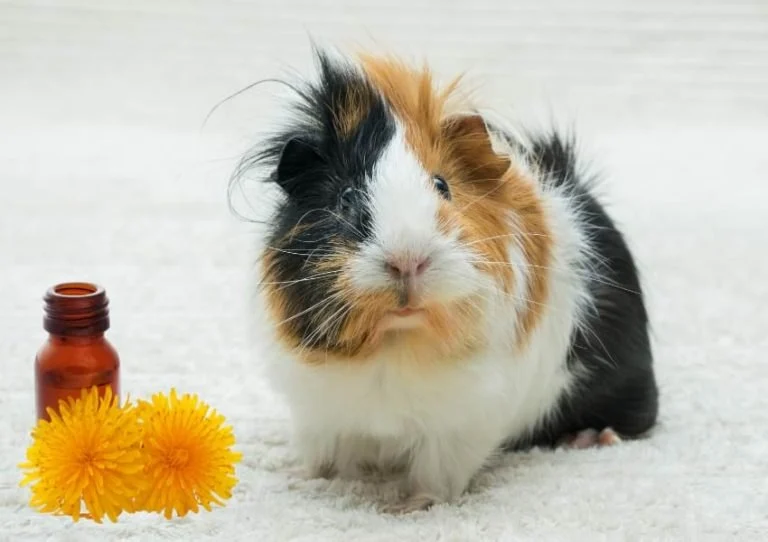
- 1-Understanding Guinea Pig Health
- 2-Common Health Issues in Guinea Pigs
- 3-First Aid Tips for Guinea Pigs
- 4-When to Call a Vet
- 5-Preventing Health Issues in Guinea Pigs
- 6-Real-Life Experiences from UK Guinea Pig Owners
1. Understanding Guinea Pig Health
Guinea pigs, or cavies, are delicate little creatures, and understanding their basic health needs is crucial for pet owners. They require a proper diet, social interaction, and regular check-ups to thrive. Guinea pigs can suffer from stress-related illnesses, dental issues, and respiratory infections, which are common in the UK due to fluctuating temperatures and humidity levels.
As a guinea pig owner, it's important to monitor their behavior, eating habits, and general physical condition. Keep an eye on their weight, as sudden weight loss can be a sign of illness.
Lisnafillan Farm Vets
GracehillMid and East AntrimNorthern Ireland
11 Lisnafillan Lane, Gracehill, Ballymena BT42 1HR, UK
2. Common Health Issues in Guinea Pigs
Guinea pigs can suffer from a variety of health problems, but some are more common than others:
- Respiratory Infections: These are common in guinea pigs, especially if they are exposed to damp or cold environments. Symptoms include sneezing, runny nose, and labored breathing.
- Dental Issues: Guinea pigs' teeth grow continuously, and if they don't wear down properly, it can lead to painful conditions like overgrown teeth.
- Digestive Problems: Guinea pigs are prone to bloating and constipation if they don’t have enough fiber in their diet.
- Skin Problems: Fungal infections, mites, and lice can also cause issues for guinea pigs, leading to itching and hair loss.
3. First Aid Tips for Guinea Pigs
Knowing how to handle an emergency situation can make all the difference in keeping your guinea pig safe. Here are some essential first aid tips:
- Handling a Respiratory Issue: If your guinea pig has a runny nose or is wheezing, ensure they are kept warm and dry. Gently clear their nostrils with a damp cotton ball and monitor their breathing. If the condition worsens, seek veterinary attention immediately.
- Dealing with Digestive Problems: If your guinea pig is bloated or has not eaten for over 24 hours, gently massage their belly to encourage movement. Offer them fresh water and high-fiber vegetables. Consult a vet if the issue persists.
- Fixing Overgrown Teeth: In cases of overgrown teeth, it’s important not to try and trim them yourself. However, providing them with hard vegetables like carrots can help wear down their teeth naturally. Consult your vet for proper dental care.
- Skin Care: If you notice your guinea pig scratching excessively, inspect their skin for any signs of mites or fungal infections. Use pet-safe antifungal creams or flea treatments as recommended by a vet.
4. When to Call a Vet
While first aid can help in minor situations, there are times when you should immediately call a vet. For example, if your guinea pig:
- Is not eating or drinking for more than 12 hours
- Shows signs of severe pain or distress, such as squealing or grinding teeth
- Has blood in their urine or stool
- Is struggling to breathe or has abnormal breathing patterns
Prompt veterinary care can be life-saving, especially if your guinea pig is in severe pain or distress.

5. Preventing Health Issues in Guinea Pigs
Prevention is always better than cure. To keep your guinea pig healthy, follow these steps:
- Maintain a Proper Diet: Feed your guinea pig a balanced diet rich in hay, fresh vegetables, and some fruit. Avoid giving them too many sugary treats.
- Provide Regular Exercise: Allow your guinea pig to roam in a secure area to stay active and healthy.
- Keep Their Environment Clean: Regularly clean their cage and provide them with fresh bedding to prevent the buildup of bacteria and mites.
- Ensure Proper Dental Care: Provide chew toys and high-fiber food to help wear down their teeth naturally.
By following these guidelines, you can prevent many common health issues from developing.
6. Real-Life Experiences from UK Guinea Pig Owners
Many UK guinea pig owners have shared their experiences of caring for these delicate pets. One such story is from a guinea pig owner in Manchester, who noticed her pet had stopped eating and was lethargic. By acting quickly and seeking veterinary help, she learned that her guinea pig had a respiratory infection that could have been fatal if not treated in time. This story highlights the importance of knowing the signs and seeking prompt help when necessary.
Another owner in London shared how regular vet check-ups and proper diet helped her guinea pig live a long and healthy life. By ensuring a constant supply of fresh hay and vegetables, her guinea pig was rarely sick.


 Vet On The Corner4.0 (98 reviews)
 Maidenhead Aquatics Preston4.0 (418 reviews)
 Veterinary Vision5.0 (52 reviews)
 South Elmsall Pets Ltd5.0 (19 reviews)
 Hop Inn4.0 (58 reviews)
 Carter's Aquatics & Pets4.0 (39 reviews)
 The Role of Regular Blood Tests in Monitoring Pet Health in the UK
 Expert Vet Advice on Health Checkups for Fish: Keep Your Aquarium Healthy | RegPets
 How to Spot Signs of Arthritis in Older Pets: Key Indicators and Care Tips
 Best Practices for Dental Care in Fish
 Essential Tips for Caring for Senior Pets: A Complete Guide for Pet Owners
 Allergy Care Explained: Keeping Your Hamsters Healthy in the UK