
- 1 - Importance-of-Regular-Checkups
- 2 - Tailoring-Exams-for-Senior-Pets
- 3 - Common-Health-Concerns-in-Aging-Pets
- 4 - Preventive-Tests-and-Screenings
- 5 - Nutrition-and-Lifestyle-Adaptations
- 6 - Tracking-Changes-and-Monitoring
- 7 - Creating-a-Veterinary-Partnership
1. Importance of Regular Checkups
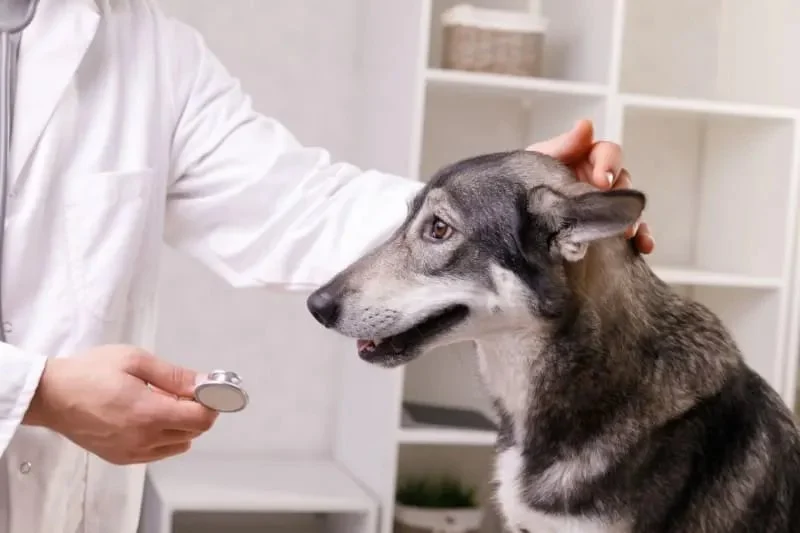
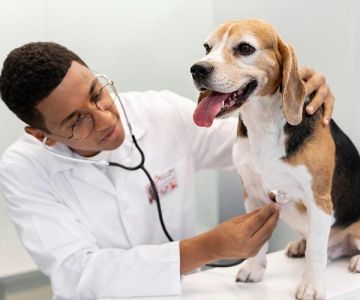
As pets age, their health needs change significantly. Senior pets require more frequent and thorough checkups to catch age-related conditions early. Regular veterinary visits help monitor weight, mobility, organ function, and dental health, which are critical factors in maintaining quality of life for aging cats and dogs.

super pet supplies
Lytham St AnnesLancashireEngland
174 Heeley Rd, Lytham St Annes, Lytham Saint Annes FY8 2HR, UK
1.1 Early Detection Saves Lives
Conditions like kidney disease, arthritis, diabetes, and heart problems often develop gradually. Routine examinations allow veterinarians to identify subtle changes before they become severe, enabling timely interventions that prolong a pet’s comfort and lifespan.

Greenside Veterinary Surgery
MapplewellSouth YorkshireEngland
14-16 Greenside, Staincross, Mapplewell, Barnsley S75 6GU, UK
1.2 Strengthening the Human-Animal Bond
Frequent checkups not only maintain health but also reinforce trust between the pet and owner. Pets accustomed to regular veterinary visits often experience less stress during exams, improving cooperation and the accuracy of health assessments.
2. Tailoring Exams for Senior Pets
Senior pets require checkups specifically designed for their age. These tailored exams are more comprehensive and focus on systems prone to age-related decline.
2.1 Comprehensive Physical Evaluations
Exams should assess body condition, dental health, joint flexibility, skin condition, and signs of cognitive changes. Veterinarians may use gentle palpation techniques and detailed observation to identify pain or discomfort that older pets often hide.
2.2 Age-Specific Questions
Owners should provide information about behavior changes, activity levels, appetite fluctuations, and urinary or bowel habits. This insight helps the vet detect issues that may not be apparent during the physical exam alone.
3. Common Health Concerns in Aging Pets
Understanding typical conditions affecting senior pets helps owners be proactive in seeking care and implementing preventive measures.
3.1 Arthritis and Mobility Issues
Joint degeneration is common in older pets. Early intervention with pain management, supplements, and controlled exercise can significantly improve mobility and quality of life.
3.2 Organ Dysfunction
Kidney, liver, and heart diseases are prevalent in senior pets. Bloodwork and imaging can detect early signs, allowing timely adjustments to diet, medication, and lifestyle.
3.3 Dental Health
Dental disease often worsens with age and can affect overall health. Routine dental exams and cleanings prevent infections, tooth loss, and systemic complications.
4. Preventive Tests and Screenings
Regular screenings are vital for early detection of disease in senior pets. Recommended tests include blood panels, urinalysis, blood pressure measurements, and sometimes imaging like X-rays or ultrasound.
4.1 Tailored Screening Schedules
Veterinarians typically suggest checkups every 6–12 months for senior pets, adjusting frequency based on individual health status, breed predispositions, and previous conditions.
4.2 Vaccinations and Parasite Prevention
Even older pets benefit from updated vaccinations and parasite prevention. Age-appropriate adjustments ensure protection without unnecessary stress on aging systems.
5. Nutrition and Lifestyle Adaptations
Diet and lifestyle modifications play a pivotal role in maintaining senior pet health. High-quality nutrition and controlled exercise support energy levels, weight management, and organ function.
5.1 Special Diets
Senior pet foods often contain joint-supporting nutrients, antioxidants, and controlled calorie levels. Tailoring diet to specific health conditions, like kidney disease or obesity, enhances overall wellbeing.
5.2 Exercise and Enrichment
Low-impact activities like short walks, gentle play, and mental stimulation help maintain muscle tone, prevent cognitive decline, and support emotional wellbeing.
6. Tracking Changes and Monitoring
Owners play a key role in monitoring their senior pets’ health between checkups. Keeping a health journal or using pet health apps can help track weight, appetite, mobility, and behaviour changes over time.
6.1 Recognising Subtle Symptoms
Changes in sleep patterns, grooming habits, or social interactions may indicate underlying issues. Early reporting to a veterinarian enables prompt diagnosis and treatment.
6.2 Collaborative Care
Consistent communication with your veterinarian ensures a coordinated approach to managing age-related conditions, medication adjustments, and lifestyle recommendations.
7. Creating a Veterinary Partnership
Establishing a strong relationship with a trusted veterinary practice is essential for senior pet care. Regular appointments, open communication, and adherence to preventive plans ensure the highest quality of life for aging pets.
7.1 Choosing the Right Clinic
Select a veterinary clinic that offers senior pet wellness programs, skilled staff, and access to diagnostic tools. Practices with experience in geriatric care provide more nuanced assessments and personalized treatment plans.
7.2 Continuous Education
Pet owners should educate themselves about common aging issues, dietary adjustments, and signs of illness. Knowledge empowers informed decisions and promotes proactive health management.
For a comprehensive guide to senior pet health and tailored wellness resources, visit RegPets to find products, services, and expert advice to keep your aging pets thriving.




 Cleo’s Place Luxury Cat Boarding5.0 (6 reviews)
 The Cinchy Doggie Bag0.0 (0 reviews)
 Ashlea Veterinary Centre4.0 (234 reviews)
 Newcastle-Upon-Tyne PDSA Pet Hospital4.0 (933 reviews)
 Pawprints Cattery5.0 (35 reviews)
 Oaklands Veterinary Centre and Equine Hospital4.0 (124 reviews)
 The Importance of Exercise and Fitness for Senior Pets – UK Edition
 First Aid Tips Explained: Keeping Your Puppies Healthy in the UK
 Complete Guide to Parasite Prevention for Hamsters
 Vet-Approved Dental Care for Senior Pets
 Pet Dental Care: Why Regular Vet Visits Matter for Your Pet’s Oral Health
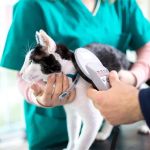 The Importance of Microchipping Your Pet in the UK | RegPets