
- 1- Balanced Diet for Fish
- 2- Types of Fish Food and Their Benefits
- 3- Feeding Frequency and Portion Control
- 4- Special Diet Considerations for Different Fish
- 5- Monitoring Fish Health Through Nutrition
- 6- Common Nutrition Mistakes and How to Avoid Them
- 7- Expert Tips for Nutrition Success
1. Balanced Diet for Fish
Maintaining a balanced diet is the cornerstone of fish health. Like humans, fish require proteins, fats, vitamins, and minerals in the right proportions. Expert vets recommend tailoring diets according to fish species—carnivorous, herbivorous, or omnivorous. For example, carnivorous fish such as Oscars and Bettas thrive on protein-rich meals like live or frozen foods, while herbivorous species like Plecos benefit from algae-based diets.
Case Study: In a UK aquarium, a hobbyist noticed her Guppies were losing color. After consulting a vet, she adjusted their diet to include more carotenoid-rich foods, resulting in vibrant, healthy fish within weeks. This demonstrates how species-specific nutrition dramatically affects fish vitality.

2. Types of Fish Food and Their Benefits
Understanding the types of fish food is essential for proper nutrition:

Vets for Pets - Hemsworth
HemsworthWest YorkshireEngland
Wakefield Rd, Hemsworth, Pontefract WF9 4AB, UK
2.1 Dry Food
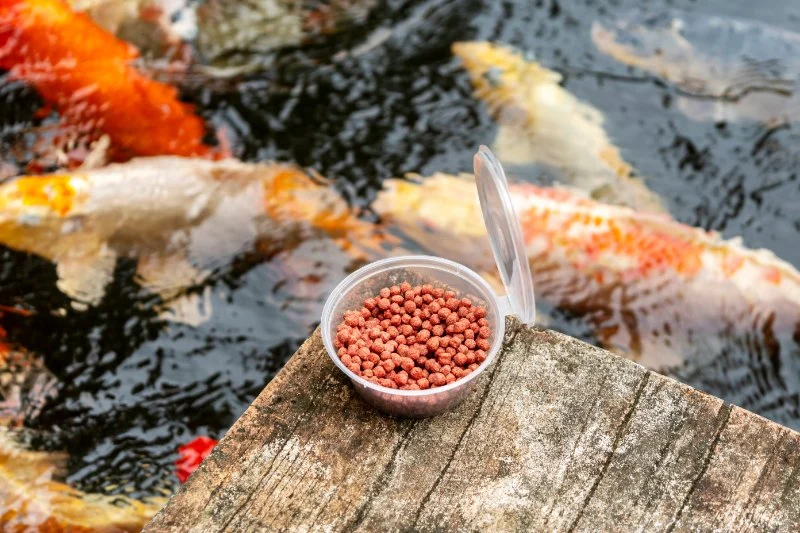
Flakes and pellets are convenient and nutritionally balanced. Flakes are suitable for small tropical fish, whereas pellets are ideal for larger species. Vets recommend high-quality brands that include essential vitamins and minerals.
2.2 Frozen and Live Food
These provide proteins and essential fatty acids. Brine shrimp, daphnia, and bloodworms are excellent for carnivorous fish, improving growth and coloration. A UK-based pet store customer reported faster growth and more active fish after integrating frozen brine shrimp twice weekly.
2.3 Plant-Based and Algae Foods
These are essential for herbivorous and omnivorous fish. Spirulina flakes, zucchini, and blanched vegetables help prevent digestive issues and promote a healthy gut flora.
For all types of food, RegPets provides a curated selection of premium fish foods suitable for every aquarium species, ensuring you can maintain optimal nutrition with ease.
3. Feeding Frequency and Portion Control
Overfeeding is a common mistake that can harm fish and water quality. Expert vets suggest:
3.1 Frequency
Feed tropical fish 1–2 times daily in small portions, while goldfish may need only once daily. Young fish generally require more frequent feeding to support growth.
3.2 Portion Control
Only feed what your fish can consume in 2–3 minutes. Uneaten food can decay, causing ammonia spikes and harming fish health.
Practical Tip: Using a timer or pre-portioned feeding cups helps maintain consistent feeding schedules and prevent overfeeding, a method endorsed by professional aquarists across the UK.
4. Special Diet Considerations for Different Fish
Each fish species may have unique dietary needs:
4.1 Breeding Fish
Pregnant or spawning fish require high-protein diets to support egg development and fry survival. Foods rich in essential fatty acids can boost reproductive success.
4.2 Sick or Recovering Fish
Fish recovering from illness may need easily digestible foods with added vitamins. A vet-recommended example is softened pellets soaked in medicated solutions for faster recovery.
4.3 Seasonal Adjustments
In cooler months, metabolism slows down, requiring reduced feeding. Conversely, in warmer months, increased activity demands slightly higher feeding amounts.
5. Monitoring Fish Health Through Nutrition
Nutrition directly reflects in fish health. Signs to monitor include:
- Color vibrancy – dull colors may indicate vitamin deficiencies.
- Growth patterns – slow growth can signify inadequate protein intake.
- Behavior – lethargy or abnormal swimming patterns can suggest improper diet or digestive issues.
Regular observation and consulting an expert vet can prevent long-term health problems. Using RegPets resources, UK fish owners can access species-specific dietary guides to ensure optimal health.
6. Common Nutrition Mistakes and How to Avoid Them
Many aquarium enthusiasts inadvertently make nutrition errors:
6.1 Overfeeding
Leads to obesity and poor water quality. Solution: measure portions and follow feeding schedules.
6.2 Monotonous Diet
Relying on one type of food can cause nutrient deficiencies. Rotate food types to balance nutrients.
6.3 Ignoring Species-Specific Needs
Not all fish eat the same food. Research and consult a vet to customize diets according to species requirements.
7. Expert Tips for Nutrition Success
Expert vets in the UK recommend these actionable strategies:
- Maintain a feeding journal to track diet changes and fish responses.
- Incorporate live or frozen food weekly to simulate natural hunting behaviors.
- Regularly check for signs of malnutrition or digestive issues.
- Use supplements like vitamin-enriched pellets or algae wafers when recommended by a vet.
- Invest in high-quality water filtration, as clean water enhances nutrient absorption.
Through careful planning and monitoring, fish can thrive with vibrant colors, healthy growth, and active behaviors. For UK fish owners seeking tailored products and expert guidance, RegPets offers an extensive range of nutrition-focused fish supplies and resources.





 Chine House Veterinary Hospital4.0 (830 reviews)
 Aqua Group Ossett4.0 (26 reviews)
 Vet Tees Vets4.0 (231 reviews)
 Oakhill Veterinary Group, Windermere4.0 (199 reviews)
 The Urban Pet Store4.0 (78 reviews)
 Pets Corner4.0 (653 reviews)
 Complete Guide to Puppy and Kitten Care for Birds
 How to Improve Fish Vaccination Guide at Home
 Best Practices for Health Checkups in Reptiles: Essential Tips for Pet Owners
 How to Improve Puppies Spaying and Neutering at Home: A Complete Guide
 Dealing with Anxiety and Stress in Pets: Expert Vet Advice for UK Pet Owners
 Expert Vet Advice on Dental Care for Hamsters