
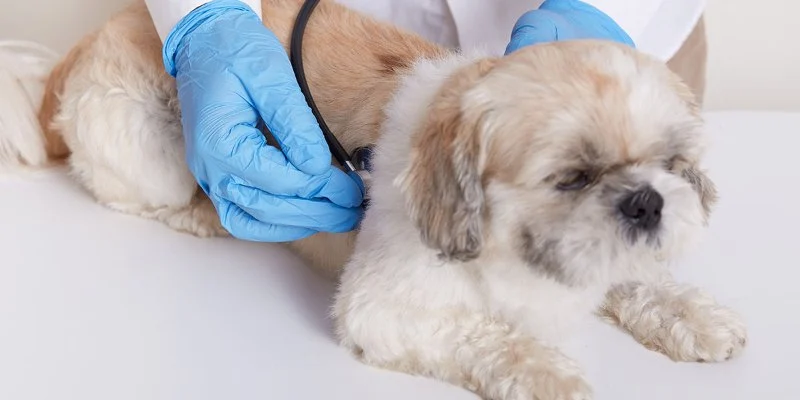
Complete Guide to Common Illnesses for Puppies
- Introduction to Puppy Illnesses
- Common Illnesses in Puppies
- Recognizing Symptoms in Puppies
- How to Care for a Sick Puppy
- Real-Life Case Study: Caring for a Sick Puppy
- Why Choose RegPets for Your Puppy’s Health
Introduction to Puppy Illnesses
Puppies are naturally vulnerable to various illnesses, particularly during their first year of life. Their immune systems are still developing, and they are at higher risk for infections, diseases, and other health problems. As a responsible pet owner, it’s important to understand the common illnesses puppies may face, how to spot symptoms, and when to seek professional veterinary help.
In this guide, we’ll walk you through the most common puppy illnesses, their symptoms, how to prevent them, and what to do if your puppy becomes sick. With the right knowledge, you can help ensure your puppy grows up healthy and strong.

Common Illnesses in Puppies
Puppies can suffer from a variety of illnesses that affect their overall health and well-being. Here are some of the most common conditions:

1. Parvovirus
Parvovirus is a highly contagious viral infection that affects puppies, especially those who are not fully vaccinated. It primarily attacks the gastrointestinal system, leading to symptoms like vomiting, diarrhea (often bloody), loss of appetite, and lethargy. Parvovirus can be fatal if left untreated, so prompt veterinary care is crucial.
2. Kennel Cough
Kennel cough, also known as canine infectious tracheobronchitis, is a respiratory infection that causes a persistent dry cough. It is highly contagious and spreads easily in places like dog parks or boarding facilities. While kennel cough is rarely life-threatening, it can cause discomfort and may lead to more severe complications in young or older puppies.
3. Giardia
Giardia is a parasitic infection that affects the intestines of puppies. It causes symptoms such as diarrhea, weight loss, and dehydration. Puppies can contract Giardia from contaminated water or food sources. While Giardia can be treated with medication, it’s important to maintain good hygiene and avoid allowing puppies to drink from unclean water sources.
4. Distemper
Canine distemper is a viral disease that affects puppies’ respiratory, gastrointestinal, and nervous systems. Early symptoms may include fever, coughing, and eye discharge, which can progress to seizures or paralysis. Vaccination is the best way to prevent distemper, as it is a potentially fatal disease.
5. Flea Infestations
Flea infestations are common in puppies and can lead to discomfort, itching, and skin infections. Severe flea infestations may also cause anemia, especially in very young puppies. Preventive measures, such as flea medications and regular grooming, can help keep fleas at bay.
Recognizing Symptoms in Puppies
Knowing the signs of illness in puppies is key to identifying potential health problems early. Some common symptoms to watch for include:
1. Change in Appetite or Drinking Habits
A sudden loss of appetite or a significant increase or decrease in water intake can indicate illness. It’s important to monitor your puppy’s eating and drinking patterns to spot any abnormal behavior.
2. Vomiting or Diarrhea
Vomiting and diarrhea are common symptoms of many illnesses, including infections like parvovirus or Giardia. If your puppy is vomiting frequently or has diarrhea for more than a day, it’s essential to seek veterinary attention.
3. Lethargy
If your puppy is unusually tired, not interested in play, or is spending more time than usual sleeping, this can be a sign of illness. Lethargy often accompanies infections or other health conditions that need attention.
4. Coughing or Sneezing
Frequent coughing or sneezing can indicate a respiratory infection, such as kennel cough. If the coughing persists for more than a few days or is accompanied by other symptoms, it’s time to consult your vet.
5. Skin Irritations or Hair Loss
Puppies may develop skin issues such as rashes, itching, or hair loss due to flea infestations, allergies, or infections. Regular grooming and skin checks can help catch these issues early.
How to Care for a Sick Puppy
Caring for a sick puppy requires patience, attention, and proper medical care. Here are some steps to follow when your puppy is unwell:
1. Provide Comfort and Rest
Ensure your puppy has a quiet, comfortable space to rest. Limit physical activity and keep them away from other pets to reduce stress. Rest is essential for recovery.
2. Hydrate and Offer Easy-to-Digest Food
If your puppy is having trouble eating, offer easy-to-digest foods such as boiled chicken and rice. Make sure they have access to fresh water at all times to stay hydrated, especially if they’re vomiting or have diarrhea.
3. Follow Your Vet’s Recommendations
If your puppy is diagnosed with an illness, be sure to follow the vet’s instructions for medication, treatment, and follow-up care. Don’t hesitate to reach out if you notice any changes or if your puppy’s condition worsens.
Real-Life Case Study: Caring for a Sick Puppy
A pet owner in London noticed that their 3-month-old puppy was unusually lethargic and had a loss of appetite. After visiting the vet, they discovered that the puppy had contracted parvovirus, a life-threatening infection. The vet immediately started treatment, including intravenous fluids and medications. The owner followed the vet’s instructions carefully, ensuring the puppy stayed hydrated and rested. After several weeks of treatment, the puppy made a full recovery and is now thriving.
This case highlights the importance of early detection and seeking professional veterinary care. The puppy’s symptoms were caught early, which contributed to its successful recovery.
Why Choose RegPets for Your Puppy’s Health
RegPets offers a range of products and services to ensure your puppy stays healthy throughout their development. From high-quality puppy food to health supplements and grooming tools, we provide everything you need to support your puppy’s growth and well-being. Our expert recommendations and products are tailored to meet the specific needs of puppies, ensuring they get the best care possible.
Visit RegPets today to explore our range of puppy care products and services.



 Gone Barking5.0 (7 reviews)
 Peejay Pet Superstore Ltd4.0 (1173 reviews)
 Sheerbliss Cattery5.0 (19 reviews)
 Calcaria Veterinary Practice4.0 (90 reviews)
 Crookedstone Cattery0.0 (0 reviews)
 Apisto Aquatics5.0 (25 reviews)
 Top 10 Behaviour Training Every Reptile Owner in the UK Should Know
 Common Vaccination Myths Debunked by UK Vets
 How to Handle Emergency Situations with Your Pet | Pet Safety Tips
 Complete Guide to Nutrition Tips for Hamsters: What Your Pet Needs to Stay Healthy
 Dealing with Anxiety and Stress in Pets: Vet Advice for UK Pet Owners
 Top 10 Behaviour Training Every Guinea Pig Owner in the UK Should Know