
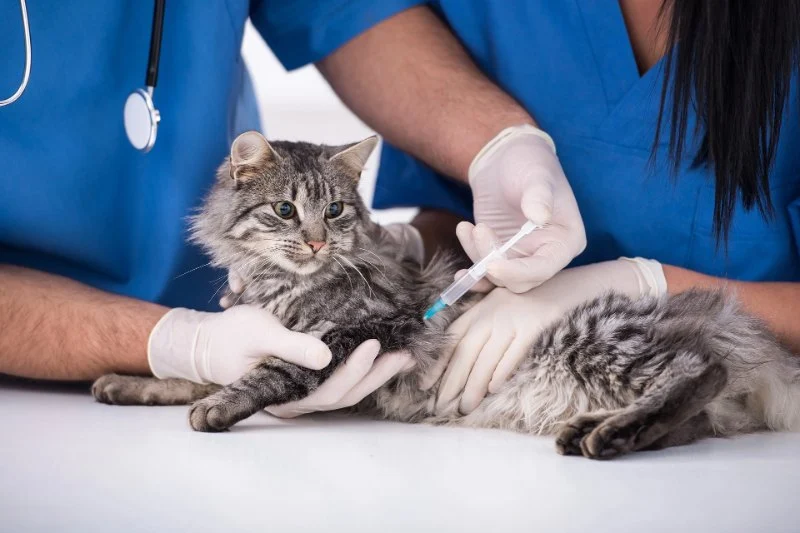
Best Practices for Vaccination Guide in Cats
- Step 1 - Importance of Vaccinations for Cats
- Step 2 - Core Vaccines for Cats
- Step 3 - Non-Core Vaccines for Cats
- Step 4 - Understanding Vaccine Schedules for Cats
- Step 5 - How to Make Vaccination Stress-Free for Your Cat
- Step 6 - Finding the Right Vet and Vaccination Service
Step 1 - Importance of Vaccinations for Cats
Vaccinations are a critical part of keeping your cat healthy and safe from preventable diseases. Just like humans, cats are susceptible to various infectious diseases that can significantly impact their well-being. Vaccines help to strengthen your cat’s immune system and provide protection against potentially fatal infections.
By vaccinating your cat, you’re not only protecting them but also ensuring they don't spread contagious diseases to other animals. This is especially important in households with multiple pets or if your cat interacts with others outside of your home.

Hayloft Mobile Veterinary Services
Birch Tree House, Park Ln, Burn, Selby YO8 8LW, UK
Step 2 - Core Vaccines for Cats
Core vaccines are those that are recommended for all cats, regardless of their lifestyle or living conditions. These vaccines protect against some of the most common and deadly diseases that can affect cats. The core vaccines for cats include:
- Feline Distemper (Panleukopenia): A highly contagious and often fatal disease that affects the gastrointestinal tract, immune system, and nervous system.
- Feline Herpesvirus (Rhinotracheitis): A virus that causes upper respiratory infections in cats, leading to sneezing, coughing, and eye discharge.
- Feline Calicivirus: A common respiratory virus that can cause oral ulcers, nasal discharge, and fever in cats.
- Rabies: A fatal viral disease that affects the nervous system and is transmissible to humans. Vaccination against rabies is required by law in many countries, including the UK.
These vaccines are essential in protecting your cat from serious health risks and should be administered as part of their regular vaccination schedule.

Step 3 - Non-Core Vaccines for Cats
Non-core vaccines are recommended based on your cat's specific risk factors, lifestyle, and the environment in which they live. While not all cats require these vaccines, they may be important for cats that are at higher risk due to their living situation. Some common non-core vaccines include:
- Feline Leukemia Virus (FeLV): Recommended for cats that go outdoors or are in contact with other cats that may have the virus. FeLV can cause cancer and immune system suppression.
- Chlamydia: This bacterial infection causes conjunctivitis and can be spread through direct contact with infected cats.
- Bordetella: Often administered to cats in shelters or those that interact with other cats in high-density environments. It helps prevent respiratory infections.
Your veterinarian will assess your cat's lifestyle and recommend the appropriate non-core vaccines based on their individual risk factors.
Step 4 - Understanding Vaccine Schedules for Cats
Vaccination schedules for cats depend on the age of the cat and the type of vaccine being administered. Kittens typically begin their vaccinations at around 8 weeks of age and will need a series of booster shots until they are about 16 weeks old. After that, they will require booster vaccines every 1 to 3 years, depending on the vaccine.
For adult cats, it’s important to stay on schedule with their booster shots, particularly for core vaccines like rabies and distemper. Some non-core vaccines may require annual updates, while others may need to be administered every few years. Your veterinarian will provide a customized vaccination schedule based on your cat’s needs.
Step 5 - How to Make Vaccination Stress-Free for Your Cat
For many cats, the thought of going to the vet can be stressful. To make vaccination visits as smooth and stress-free as possible, here are a few tips:
- Prepare Your Cat: Help your cat get used to their carrier by placing treats or familiar bedding inside. Take short trips in the carrier to the vet’s office to reduce anxiety.
- Stay Calm: Cats are very sensitive to their owners’ emotions. By staying calm and relaxed, your cat will feel more comfortable and at ease.
- Use Calming Products: Consider using pheromone sprays or calming collars to help relax your cat before the appointment.
- Ask for a Gentle Vet: Choose a veterinarian who has experience working with cats and understands how to handle them gently during vaccinations.
By taking steps to make the visit less stressful, you can help ensure that your cat receives their vaccinations with minimal anxiety.
Step 6 - Finding the Right Vet and Vaccination Service
Choosing the right veterinarian for your cat’s vaccinations is essential for ensuring their health and well-being. Look for a veterinary clinic that has a reputation for compassionate care and experience in vaccinating cats. It’s also important to find a vet who can provide a tailored vaccination schedule based on your cat’s individual needs.
For reliable vaccination services and expert care, visit RegPets to find the best products and veterinary services for your cat’s health.





 J&A Raw 4 the Paws5.0 (50 reviews)
 Ka9rawfeeds & Accessories3.0 (4 reviews)
 Reeffreaks5.0 (15 reviews)
 The Pet Shed5.0 (1 reviews)
 Westway Veterinary Group, Eden Hill4.0 (149 reviews)
 Medivet Bamber Bridge - Withy Grove Vets4.0 (424 reviews)
 Expert Vet Advice on Preventive Care for Cats
 UK Pet Owner’s Guide to Exercise and Fitness for Fish
 Best Practices for Weight Management in Cats
 How to Improve Reptiles Parasite Prevention at Home
 How to Improve Rabbits Nutrition Tips at Home
 Complete Guide to Emergency Vet Advice for Birds