
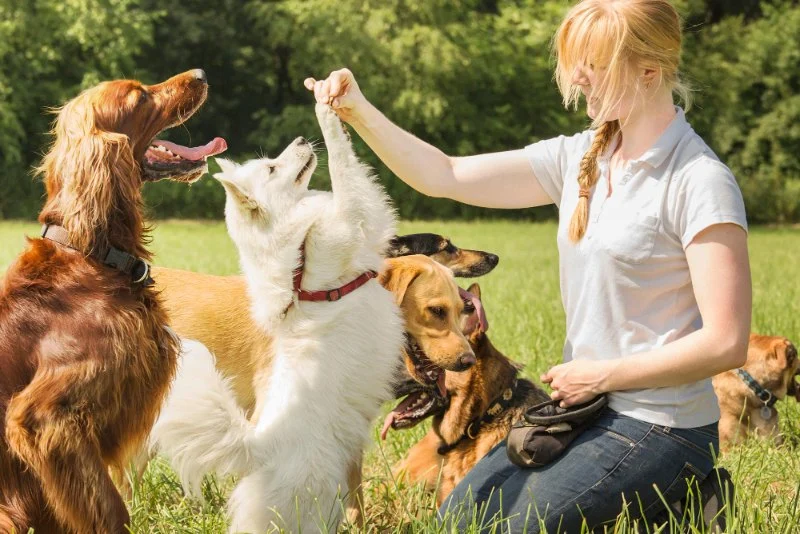
Understanding Behaviour Training for Senior Pets
As our pets age, they may face challenges with their behaviour. Older pets can develop new habits or reinforce old ones that are harder to manage. However, with the right approach, behaviour training can significantly improve your senior pet's quality of life. In this article, we'll explore practical behaviour training tips specifically designed for senior pets in the UK, helping pet owners provide the best care and training possible for their aging companions.
- 1. Why Behaviour Training for Senior Pets is Important
- 2. Common Behavioural Issues in Older Pets
- 3. Behaviour Training Tips for Senior Pets
- 4. Creating a Supportive Environment for Your Senior Pet
- 5. Find the Best Products for Senior Pets at RegPets
1. Why Behaviour Training for Senior Pets is Important
As pets age, their needs change, and behaviour training becomes a key aspect of managing these changes. Behavioural issues such as anxiety, confusion, or even physical limitations can affect a senior pet’s actions. Regular behaviour training helps prevent or resolve such issues, ensuring that your pet remains happy, active, and healthy. Senior pets benefit greatly from structured routines and gentle training, which help them feel secure in their environment.
Additionally, behaviour training can help strengthen the bond between you and your pet. It provides opportunities for mental stimulation, which is just as important for senior pets as physical exercise. Regular mental engagement can help slow down cognitive decline and improve overall well-being.

2. Common Behavioural Issues in Older Pets
Senior pets, especially dogs and cats, may experience a variety of behavioural changes due to aging, health issues, or cognitive decline. Some of the most common behavioural issues include:

Pets at Home Team Valley
Unit 6, Team Valley Retail World, Team Valley, Park, Gateshead NE11 0BD, UK
Increased Anxiety
As pets age, they may become more anxious or fearful, especially if they are dealing with health issues or have reduced mobility. Anxiety can manifest as excessive barking, hiding, or destructive behaviour. Understanding the cause of the anxiety and addressing it with behaviour training is key to improving their well-being.
House Soiling
Older pets may have accidents in the house due to physical limitations such as arthritis or urinary incontinence. This can be frustrating for both pet and owner, but with the right training and adjustments to their environment, house soiling can often be minimised.
Disorientation and Confusion
Older pets, particularly those with cognitive dysfunction syndrome (similar to dementia in humans), can become disoriented and confused. They may forget their training or have trouble following familiar routines. Behaviour training can help to re-establish routines and provide comfort and reassurance.
3. Behaviour Training Tips for Senior Pets
Training a senior pet requires patience, consistency, and a gentle approach. Here are some tips that can help you train your older pet effectively:
1. Use Positive Reinforcement
Positive reinforcement is one of the most effective training techniques for senior pets. Reward good behaviour with treats, praise, or affection to encourage repeat actions. Positive reinforcement helps older pets learn and remember commands in a stress-free way.
2. Break Training into Short Sessions
Senior pets may tire easily, so it’s important to keep training sessions short and manageable. Aim for 5-10 minute sessions, several times a day, rather than long, drawn-out sessions. This approach prevents frustration and ensures your pet stays engaged and happy.
3. Keep Commands Simple and Consistent
Older pets may struggle with complex commands or new training methods. Stick to simple, clear commands and be consistent with your words and actions. This consistency helps senior pets understand what is expected of them, making training more effective.
4. Adjust Training for Health Limitations
As pets age, they may develop physical limitations, such as difficulty walking or jumping. Adjust your training methods to accommodate these limitations. For example, use low-impact exercises, provide additional support, and avoid activities that may cause pain or discomfort.
4. Creating a Supportive Environment for Your Senior Pet
Behaviour training goes hand in hand with creating a supportive environment for your senior pet. Making adjustments to their living space and routine can enhance the effectiveness of training:
1. Provide Comfort and Accessibility
Ensure your home is pet-friendly, especially if your pet has mobility issues. Provide comfortable bedding, ramps, and easy access to food and water. Minimising physical barriers will help your pet feel more secure and confident in their environment.
2. Maintain a Regular Routine
Senior pets thrive on routine. Maintaining consistent feeding times, walks, and play sessions can reduce confusion and anxiety. Predictable routines help senior pets feel more comfortable and secure.
3. Regular Health Checkups
Regular vet visits are essential for senior pets to address any health issues that may affect their behaviour. Health problems such as arthritis or hearing loss can lead to changes in behaviour, so keeping on top of your pet’s health is important for successful behaviour training.
5. Find the Best Products for Senior Pets at RegPets
At RegPets, we understand the unique needs of senior pets. From comfortable beds to mobility aids and dietary supplements, we offer a range of products designed to enhance the lives of older pets. Browse our selection of products to find the best options for your senior pet’s needs.
Visit RegPets today to explore our range of senior pet care products, and help your pet enjoy their golden years with comfort and joy!
 Cosy Cattery4.0 (74 reviews)
 Hambleton Hills Luxury Cattery5.0 (42 reviews)
 Horizon Aquatics4.0 (258 reviews)
 Twelvetrees Cattery5.0 (24 reviews)
 Nature Emporium Leeds5.0 (1 reviews)
 Nithsdale Vets Dumfries4.0 (258 reviews)
 Best Practices for Dental Care in Fish: Tips for Healthy Aquatic Pets
 Puppy and Kitten Care Explained: Keeping Your Kittens Healthy in the UK
 Vet-Approved Parasite Prevention for Kittens: Essential Tips for Pet Owners
 The Importance of Health Checkups for Birds – UK Edition
 Recognizing Symptoms of Allergies in Dogs and Cats: A Guide for UK Pet Owners
 Nutrition Tips for Reptiles: What UK Pet Owners Need to Know