
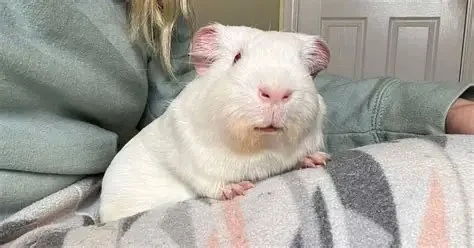
- 1. Why Adopt a Guinea Pig?
- 2. Choosing the Right Guinea Pig for Adoption
- 3. Preparing Your Home for a Guinea Pig
- 4. Basic Care for Guinea Pigs
- 5. Common Issues with Guinea Pig Adoption
- 6. Real-Life Guinea Pig Adoption Stories
1. Why Adopt a Guinea Pig?
Guinea pigs make wonderful pets for individuals and families alike. Known for their friendly nature, low-maintenance care requirements, and the joy they bring, guinea pigs are one of the most popular small pets worldwide. Adopting a guinea pig not only provides you with a loving companion but also helps rescue animals in need of a forever home. In the UK, adopting a guinea pig can give them a second chance at life, and they can thrive in the right environment.
Additionally, guinea pigs are often housed in shelters where they may face overcrowding. By adopting, you’re helping reduce the strain on local animal shelters and contributing to their welfare.

My Home Vet - mobile vet team
Unit 18 S4b, Brooke's Mill, Armitage Bridge, Huddersfield HD4 7NR, UK
2. Choosing the Right Guinea Pig for Adoption
When adopting a guinea pig, it’s important to consider factors like age, personality, and health. Each guinea pig has its own temperament, and understanding this will help ensure a harmonious relationship. Here are some tips for selecting the right guinea pig:

Age and Size
Consider whether you want a baby guinea pig or an adult. Baby guinea pigs are often more adaptable but may require more time and attention to bond with. Older guinea pigs are generally more settled and may already be socialized. Choosing the right age will depend on your lifestyle and how much time you can dedicate to your new pet.
Personality and Temperament
Visit the shelter and spend time interacting with different guinea pigs. Look for one that is calm and responds well to human interaction. Some guinea pigs are more outgoing, while others are more shy. Take the time to get to know their personalities before making a decision.
Health Check
Ensure the guinea pig you’re considering adopting is in good health. A healthy guinea pig will have clear eyes, clean fur, and no signs of injury or illness. Ask the shelter staff for a health report and any necessary vaccinations or treatments that have been administered.
3. Preparing Your Home for a Guinea Pig
Before bringing your new guinea pig home, you need to create a safe and comfortable living environment. Here’s how to prepare:
Habitat Setup
Guinea pigs need a spacious cage with plenty of room to move around. The minimum cage size for a single guinea pig is 120cm x 60cm. You can find many guinea pig-specific cages in pet stores. Ensure the cage has appropriate bedding (like hay or shredded paper) and hiding spots where your guinea pig can feel secure.
Diet and Nutrition
Guinea pigs require a balanced diet consisting of fresh hay, vegetables, and a small amount of pellets. Vitamin C is essential for guinea pigs, so make sure you provide a variety of vegetables, such as bell peppers and leafy greens, to meet their nutritional needs. Fresh water should always be available in a bottle or bowl.
Exercise and Enrichment
Guinea pigs are active creatures that enjoy exploring and foraging. Provide toys, tunnels, and platforms for them to climb and interact with. Regular exercise outside the cage in a guinea pig-proofed area is also beneficial for their health and well-being.
4. Basic Care for Guinea Pigs
Once your guinea pig is settled into its new home, regular care will be essential to ensure it thrives. This includes:
Cleaning and Hygiene
Clean the cage at least once a week, removing soiled bedding and replacing it with fresh materials. Spot clean the cage daily to keep it hygienic and comfortable for your guinea pig. Regularly wash water bottles and food dishes to prevent contamination.
Health Monitoring
Keep an eye on your guinea pig’s health. Look out for signs of illness, such as changes in appetite, droppings, or behavior. Regular vet visits are crucial, and guinea pigs should have an annual health checkup to ensure they remain in good condition.
Social Interaction
Guinea pigs are social animals that thrive on interaction. Spend time with your guinea pig every day, talking to them, petting them, and giving them attention. If you’re considering adopting more than one guinea pig, remember that they enjoy company and should be kept in pairs or small groups.
5. Common Issues with Guinea Pig Adoption
Adopting a guinea pig can be a rewarding experience, but it comes with its own set of challenges. Some common issues new guinea pig owners face include:
Separation Anxiety
Guinea pigs are creatures of habit and may experience stress when removed from their familiar environment. It’s important to be patient and give them time to adjust. Once settled in, guinea pigs will form strong bonds with their owners.
Dietary Troubles
Guinea pigs are sensitive to changes in their diet, so introducing new foods should be done gradually. A sudden change can lead to digestive issues. Make sure you provide fresh hay daily and avoid overfeeding sugary fruits.
6. Real-Life Guinea Pig Adoption Stories
Adopting guinea pigs can be a life-changing experience for both the pet and the owner. Here are some heartwarming stories from guinea pig adopters:
Emma’s Story: From Shelter to Forever Home
Emma adopted her guinea pig, Ginger, from a local animal shelter. Ginger was initially shy and nervous, but after a few weeks of gentle care and patience, Emma saw her personality shine. Ginger now enjoys exploring her playpen and getting daily cuddle time. Emma credits the adoption process with teaching her the importance of patience and unconditional love for animals.
For the best guinea pig adoption options and products, visit RegPets for trusted resources and advice tailored to your needs.

 Medivet Harrogate Oak Beck Way4.0 (106 reviews)
 Vets for Pets - Kendal4.0 (134 reviews)
 Vets4Pets Stockton4.0 (681 reviews)
 Paw Seasons Boutique Feline Hotel5.0 (20 reviews)
 White Cross Vets4.0 (406 reviews)
 Super Pets4.0 (399 reviews)
 Recognizing Symptoms of Allergies in Dogs and Cats
 UK Pet Owner’s Guide to Exercise and Fitness for Fish
 How Often Should You Take Your Pet for a Health Checkup?
 Top 10 Preventive Care Every Puppies Owner in the UK Should Know
 Expert Vet Advice on Skin and Coat Care for Kittens | RegPets
 Best Practices for Skin and Coat Care in Fish