
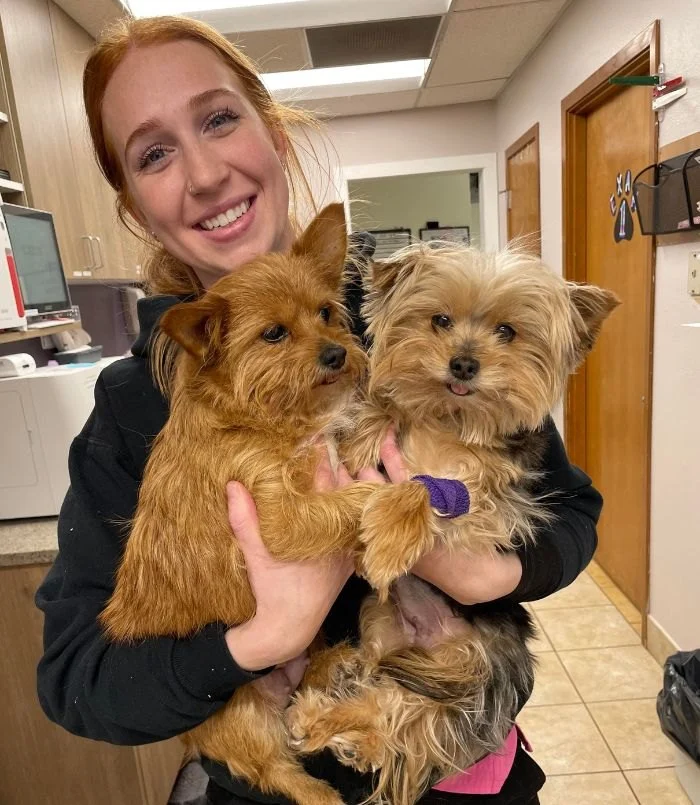
Best Practices for Preventive Care in Puppies
Bringing a puppy into your life is an exciting journey, but it also comes with a lot of responsibility. One of the most important aspects of responsible pet ownership is ensuring your puppy gets the right preventive care from an early age. Preventive care can save you money on veterinary bills and help your puppy live a long, healthy life. In this guide, we’ll explore the best practices for preventive care, covering everything from vaccinations to nutrition and regular checkups.
- 1 - The Importance of Preventive Care for Puppies
- 2 - Key Preventive Care Tips for Your Puppy
- 3 - Puppy Vaccinations: What You Need to Know
- 4 - Puppy Dental Care: Starting Early
- 5 - The Importance of Regular Vet Checkups
1. The Importance of Preventive Care for Puppies
Preventive care is all about taking steps to avoid health problems before they occur. By addressing potential issues early, you can help your puppy avoid serious health complications later on. This includes everything from vaccinations and parasite control to proper nutrition and socialisation. Preventive care is not only good for your puppy’s health but also helps you save money in the long run by reducing the need for costly treatments for preventable conditions.

1.1. Why Preventive Care Matters
One of the best things you can do for your puppy is to establish healthy habits early on. Preventive care helps ensure that your puppy grows up strong and resilient, reducing the risk of developing diseases or behavioural problems. Think of it like setting up a foundation for a healthy, happy life.

1.2. Long-Term Benefits
Taking preventive steps now can significantly improve your puppy’s quality of life as they grow older. From preventing common illnesses to ensuring good behaviour, preventive care sets the stage for a well-balanced and enjoyable life for both you and your puppy.
2. Key Preventive Care Tips for Your Puppy
When it comes to preventive care, there are a few essential steps every puppy owner should follow:
2.1. Nutrition and Diet
A balanced, nutritious diet is essential for your puppy’s growth and development. Ensure that your puppy is eating high-quality food that is formulated for their specific age and breed. Puppy food is designed to meet the growing nutritional needs of your dog, providing them with the vitamins, minerals, and proteins they need to thrive.
2.2. Parasite Prevention
Fleas, ticks, and worms are not just annoying—they can also pose serious health risks to your puppy. Regular treatments for parasites, such as flea preventatives and deworming, should be part of your puppy’s routine. Your vet can recommend the best products for your puppy’s age, size, and lifestyle.
2.3. Socialisation and Training
Start training and socialisation early to help your puppy develop into a well-behaved and confident adult dog. Puppy classes are a great way to expose your dog to different environments, people, and other animals, which helps prevent behaviour problems later in life. Positive reinforcement methods work best for puppies, so make training a fun, rewarding experience.
3. Puppy Vaccinations: What You Need to Know
Vaccinations are an essential part of preventive care for puppies. They protect your puppy from serious, sometimes life-threatening diseases. Here are the key vaccinations your puppy will need:
3.1. Core Vaccines
The core vaccines for puppies include those for distemper, parvovirus, and hepatitis. These vaccines are vital for preventing highly contagious and potentially fatal diseases.
3.2. Non-Core Vaccines
Non-core vaccines may also be recommended depending on your puppy’s lifestyle and environment. These include vaccines for diseases like leptospirosis or Lyme disease, which are more common in certain areas or in dogs who spend a lot of time outdoors.
3.3. Vaccination Schedule
Most puppies will start their vaccination schedule around 6-8 weeks of age, with booster shots given every few weeks until they are about 16 weeks old. Be sure to follow your vet’s guidance and keep track of vaccination appointments to ensure your puppy is fully protected.
4. Puppy Dental Care: Starting Early
Dental health is often overlooked, but it’s an essential part of your puppy’s overall care. Poor dental hygiene can lead to serious health issues later in life, such as gum disease, tooth loss, and even heart disease.
4.1. Brushing Your Puppy’s Teeth
Start brushing your puppy’s teeth early to help them get used to the process. Use a toothbrush and toothpaste designed specifically for dogs, as human toothpaste can be harmful to them. Regular brushing helps prevent plaque buildup and keeps your puppy’s breath fresh.
4.2. Chew Toys and Dental Treats
Provide your puppy with chew toys and dental treats that help keep their teeth clean and gums healthy. These toys also satisfy your puppy’s natural chewing instincts, which can help prevent destructive chewing habits.
5. The Importance of Regular Vet Checkups
Regular vet checkups are crucial for monitoring your puppy’s overall health and addressing any potential issues before they become serious. Your vet will assess your puppy’s growth, conduct health screenings, and provide necessary treatments, such as vaccinations and parasite control.
5.1. Early Detection of Health Issues
Routine vet visits allow for early detection of health problems, which can lead to more effective and less expensive treatments. Your vet can also offer advice on nutrition, behaviour, and preventative measures to keep your puppy healthy.
5.2. Establishing a Relationship with Your Vet
Developing a relationship with a trusted vet is important for ongoing preventive care. Your vet will become familiar with your puppy’s health history and be able to provide personalised care and recommendations.
By following these best practices for preventive care, you’re setting your puppy up for a healthy and happy life. If you need recommendations for puppy care products, food, or services, be sure to check out RegPets for expert advice and trusted options.




 D A & D T Wittrick4.0 (62 reviews)
 all4pets | Dog Food | Cat Food | Treats | Accessories4.0 (68 reviews)
 Lincs Farm & Equine Ltd0.0 (0 reviews)
 Shanaghan Veterinary Services5.0 (2 reviews)
 Jack's Pantry5.0 (17 reviews)
 Doorstep Vet5.0 (118 reviews)
 The Importance of Behaviour Training for Kittens in the UK: A Complete Guide
 How to Recognize and Handle Allergies in Dogs and Cats
 How to Handle Pet Anxiety and Stress | Expert Vet Advice for Pet Owners
 How to Improve Puppies Spaying and Neutering at Home
 Expert Vet Advice on Behaviour Training for Hamsters
 Complete Guide to Preventive Care for Exotic Pets